Alberti
A humanist, theorist and architect, Alberti combines the study of Antiquity with new compositions.
Explore the profile →Learn to see, dare to look.
More human figures, spaces taking shape and bodies asserting their presence. Explore the great transformations of Italian art, then meet the artists who brought them to life.
Open a theme. These perspectives overlap: one artist may illuminate several questions. Faith, light and colour run through the entire journey.
From Giotto to Titian, discover how artists bring figures to life through expressions, gestures, emotions and movement.
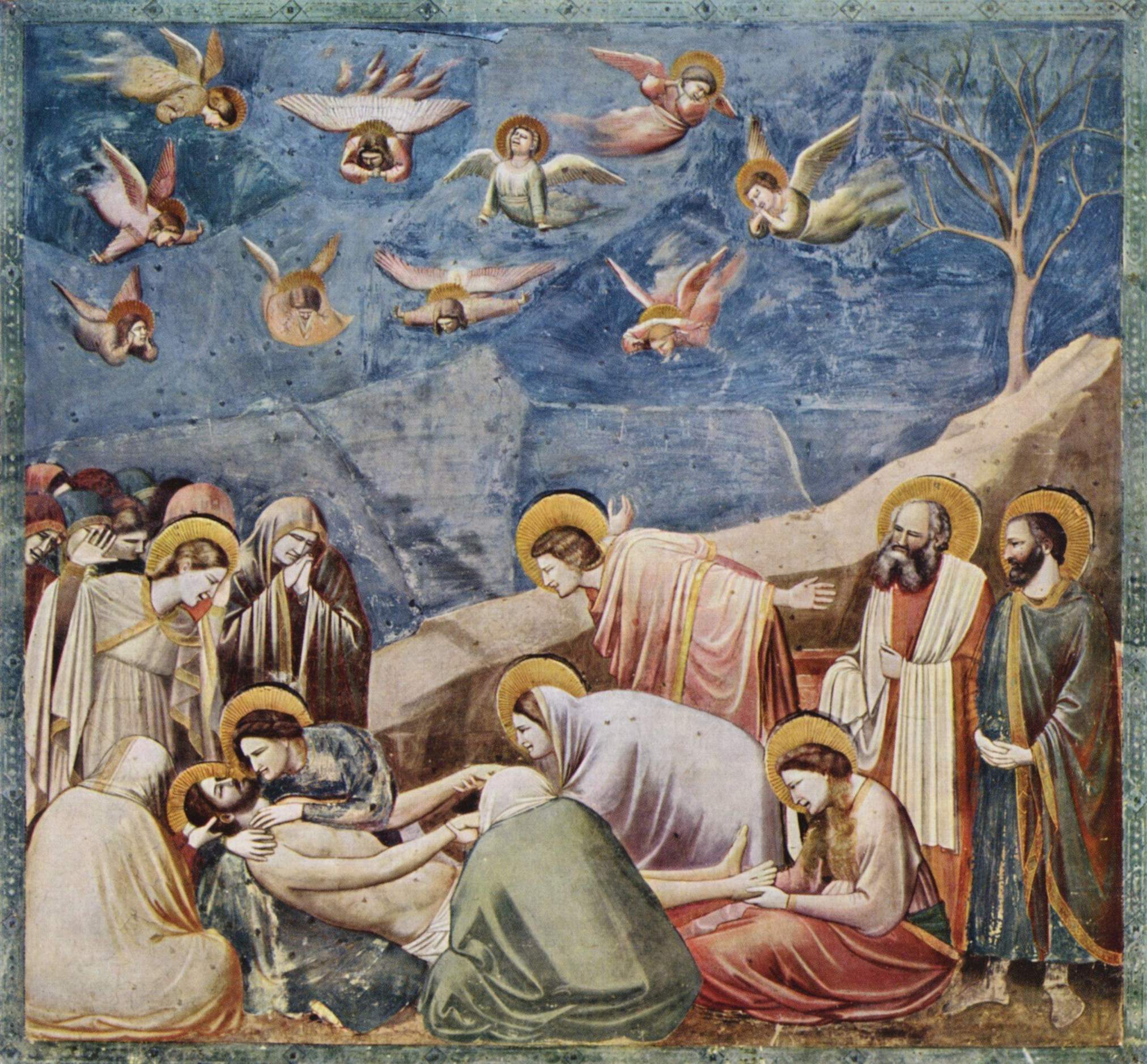 Giving emotion a facePain, tenderness and surprise become visible in faces.
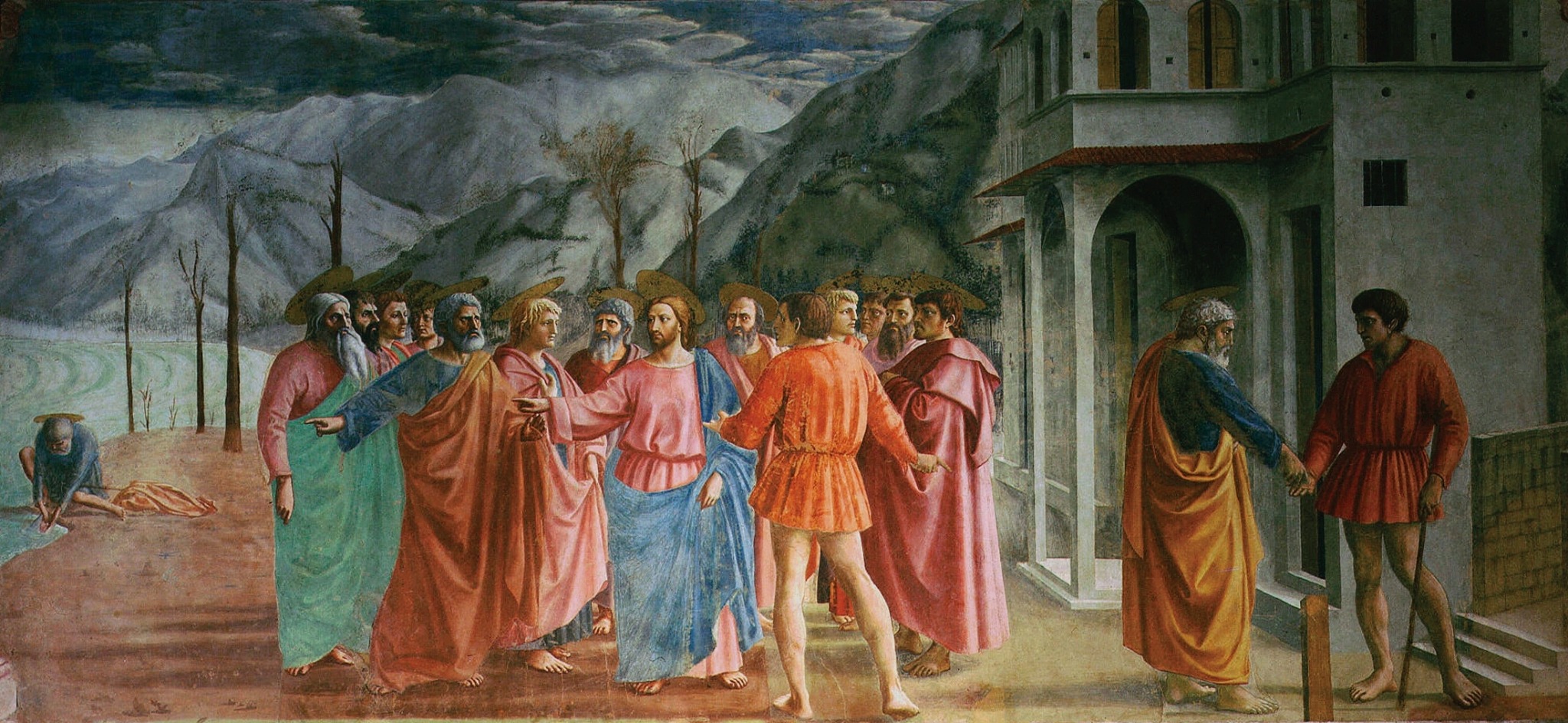 Letting gestures speakHands and postures tell what words leave unsaid.
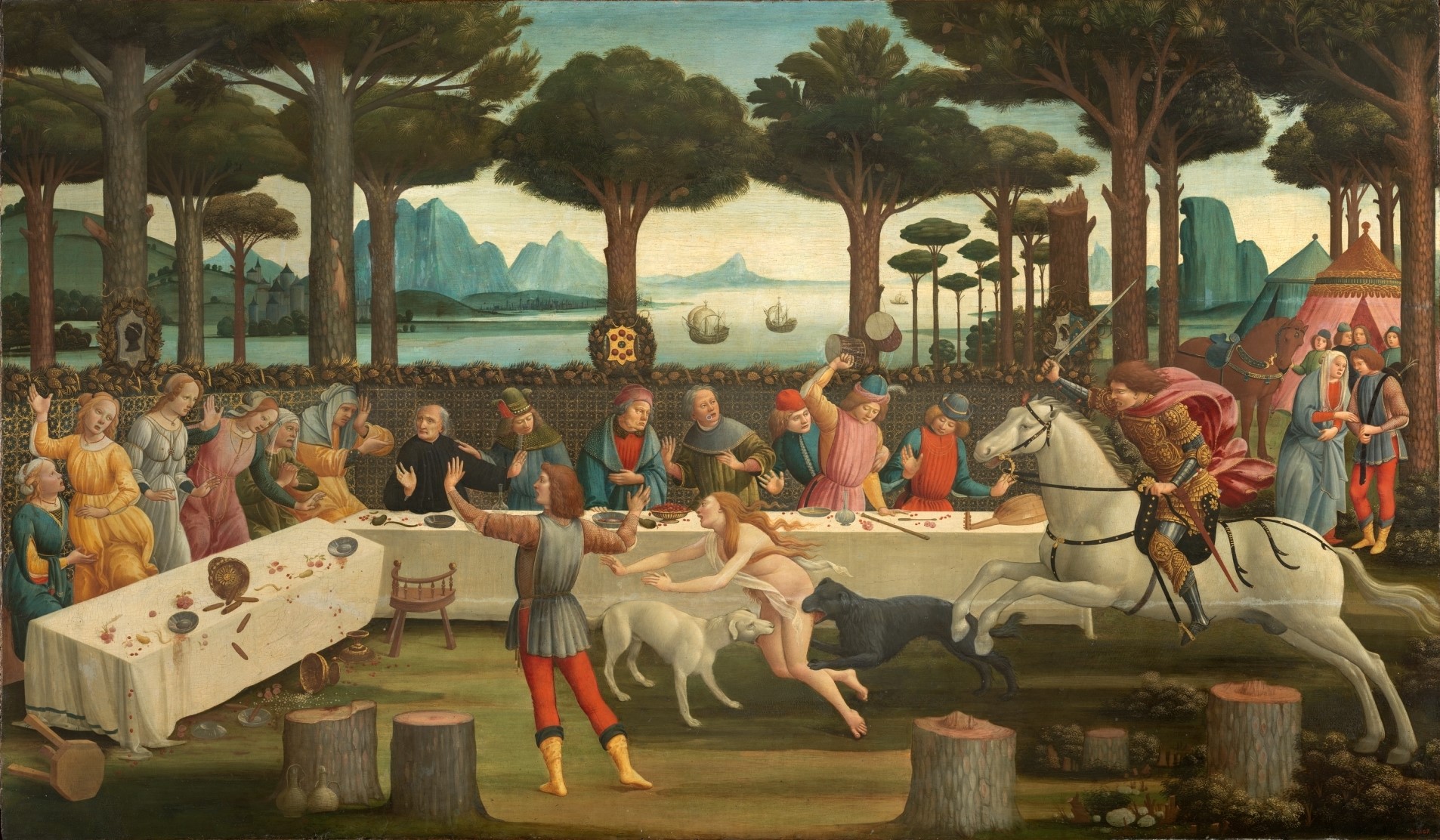 Telling a story in a single momentA single decisive gesture can convey an entire event.
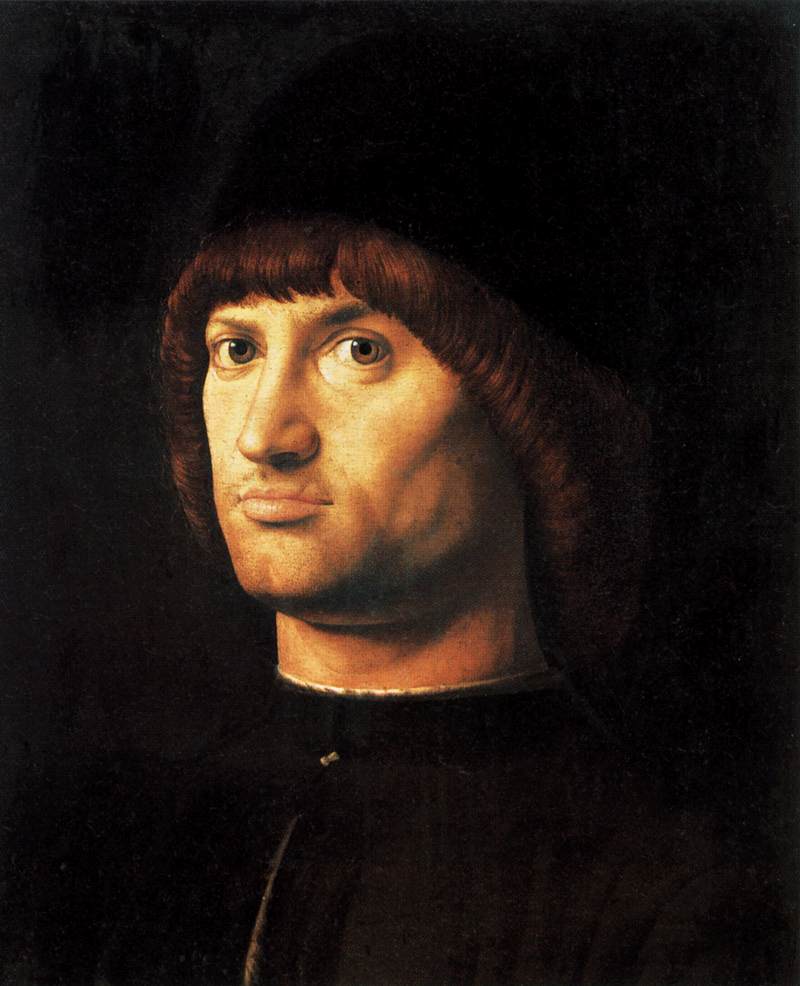 Revealing an inner lifeA portrait reveals a thought, a character or a mystery.
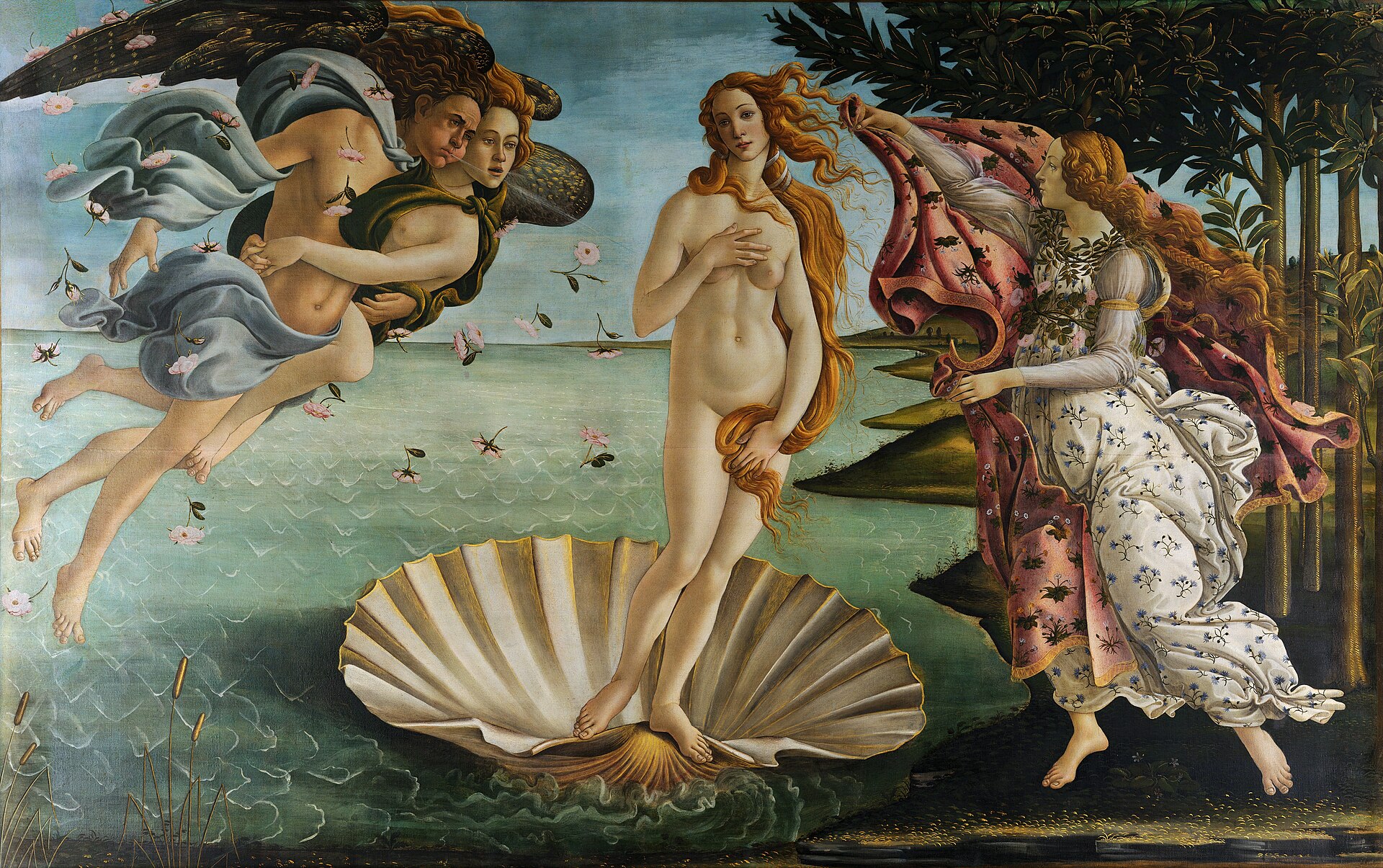 Setting bodies in motionBodies come alive and lead the viewer’s eye.
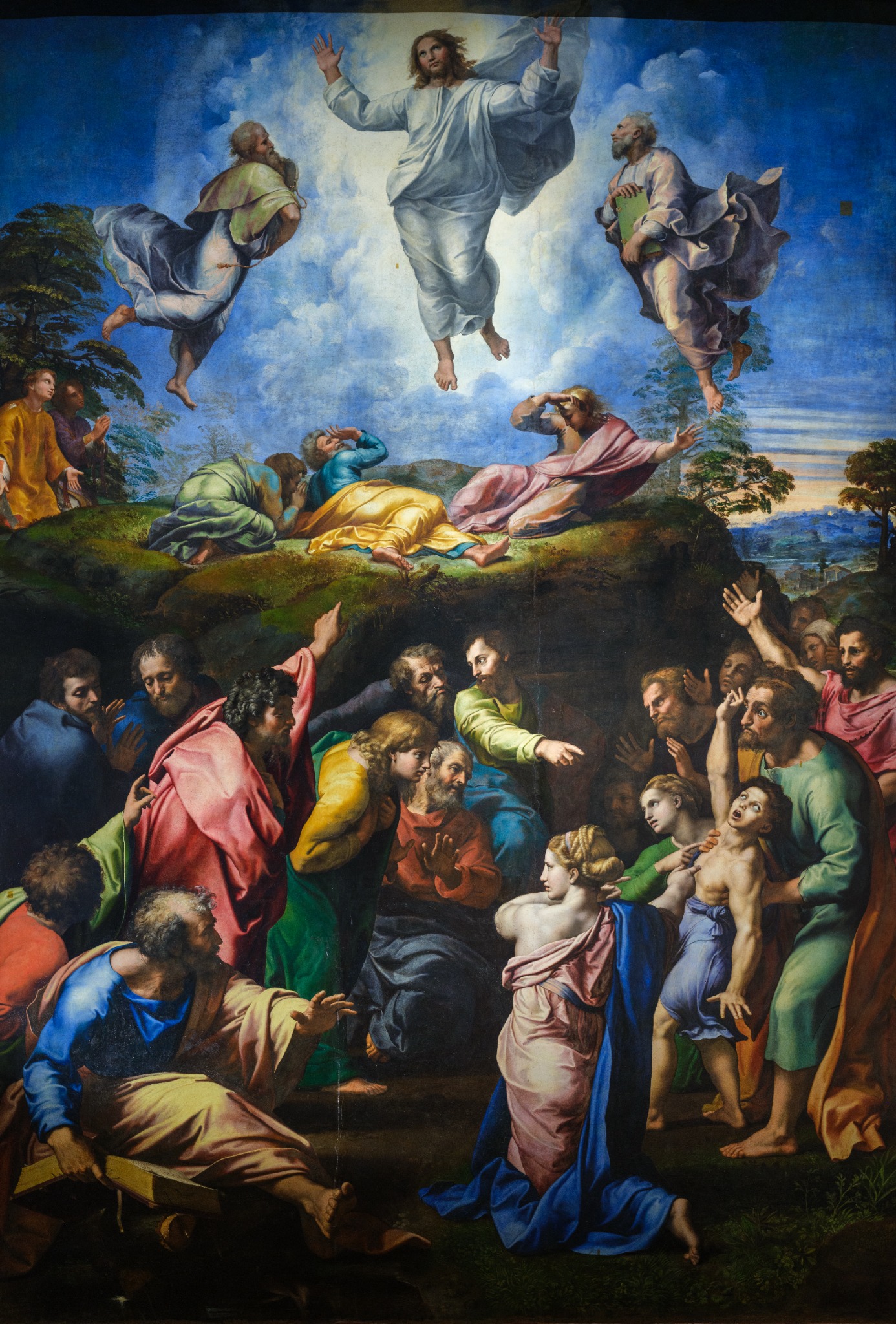 Bringing an entire scene to lifeMany figures come together to create a living narrative.
During the Renaissance, artists learned to measure, invent and observe. Drawing became a tool for knowledge without losing sight of emotion.
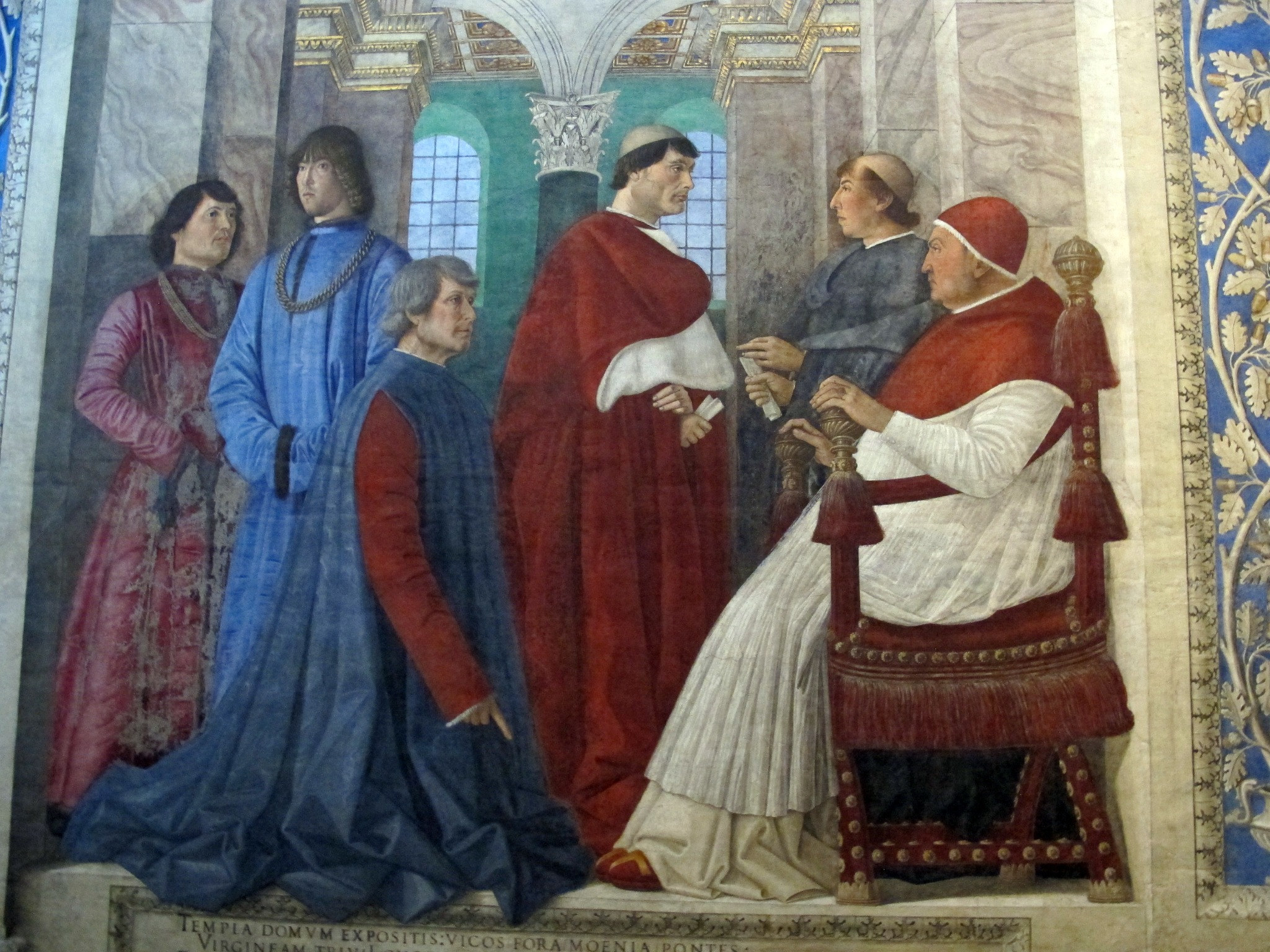 Measure — Geometry creates spaceThe painter does more than depict: they construct a space the eye can travel through.
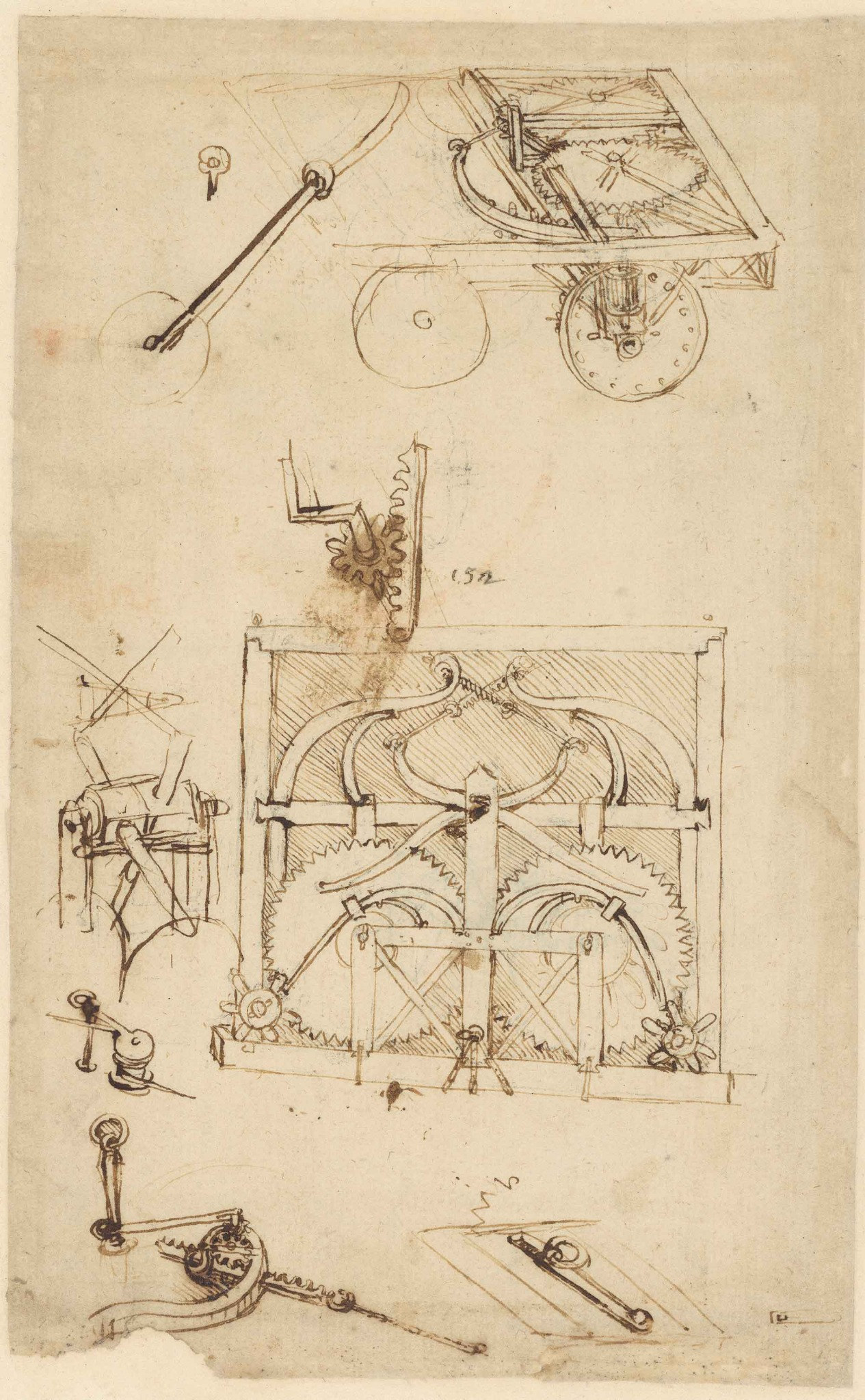 Invent — Drawing becomes a machineDrawing helps artists imagine mechanisms, reveal their workings and understand how they function.
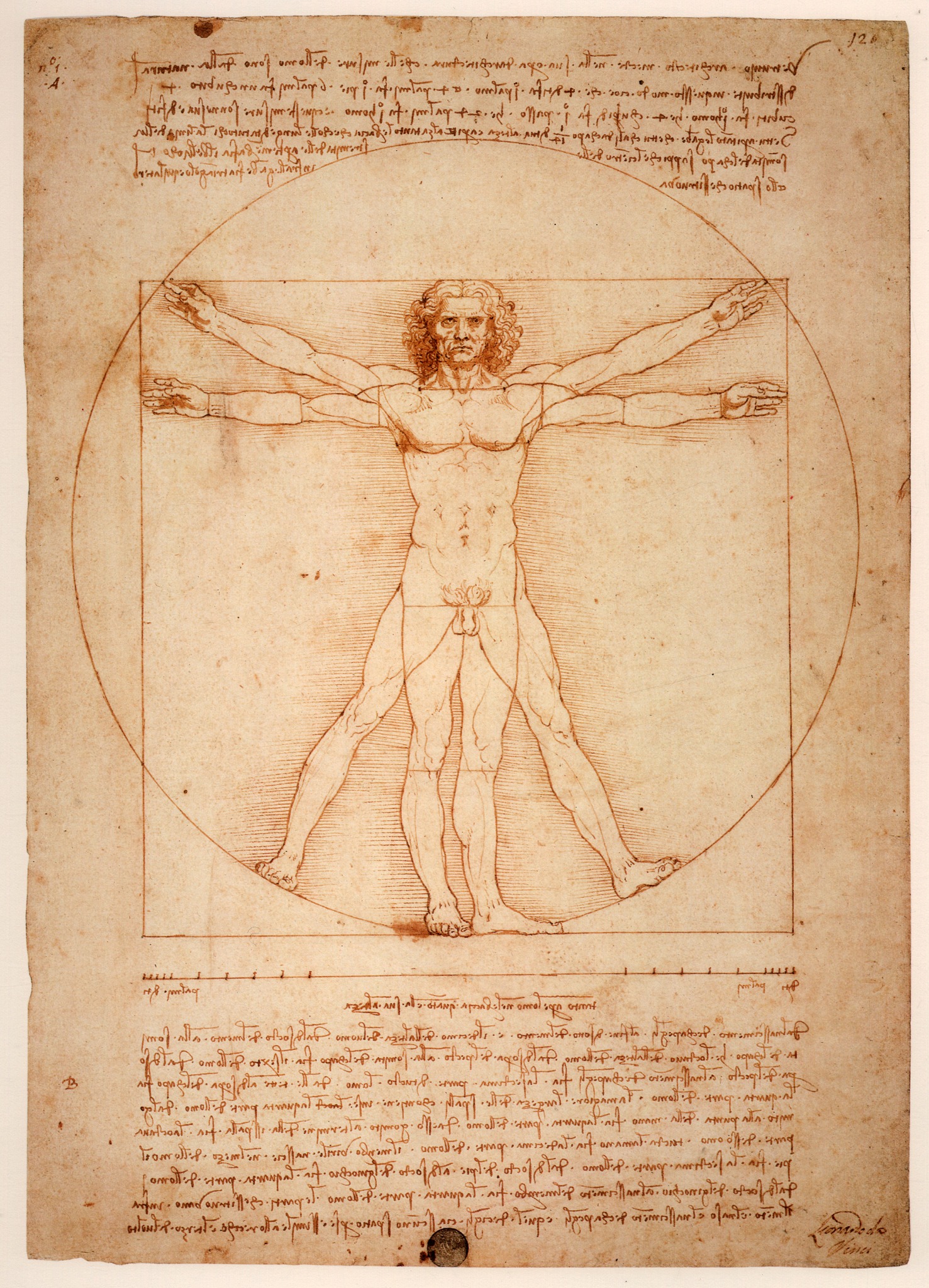 Understand — The human body between science and beautyStudying the body, its muscles and proportions transforms the representation of human beings.
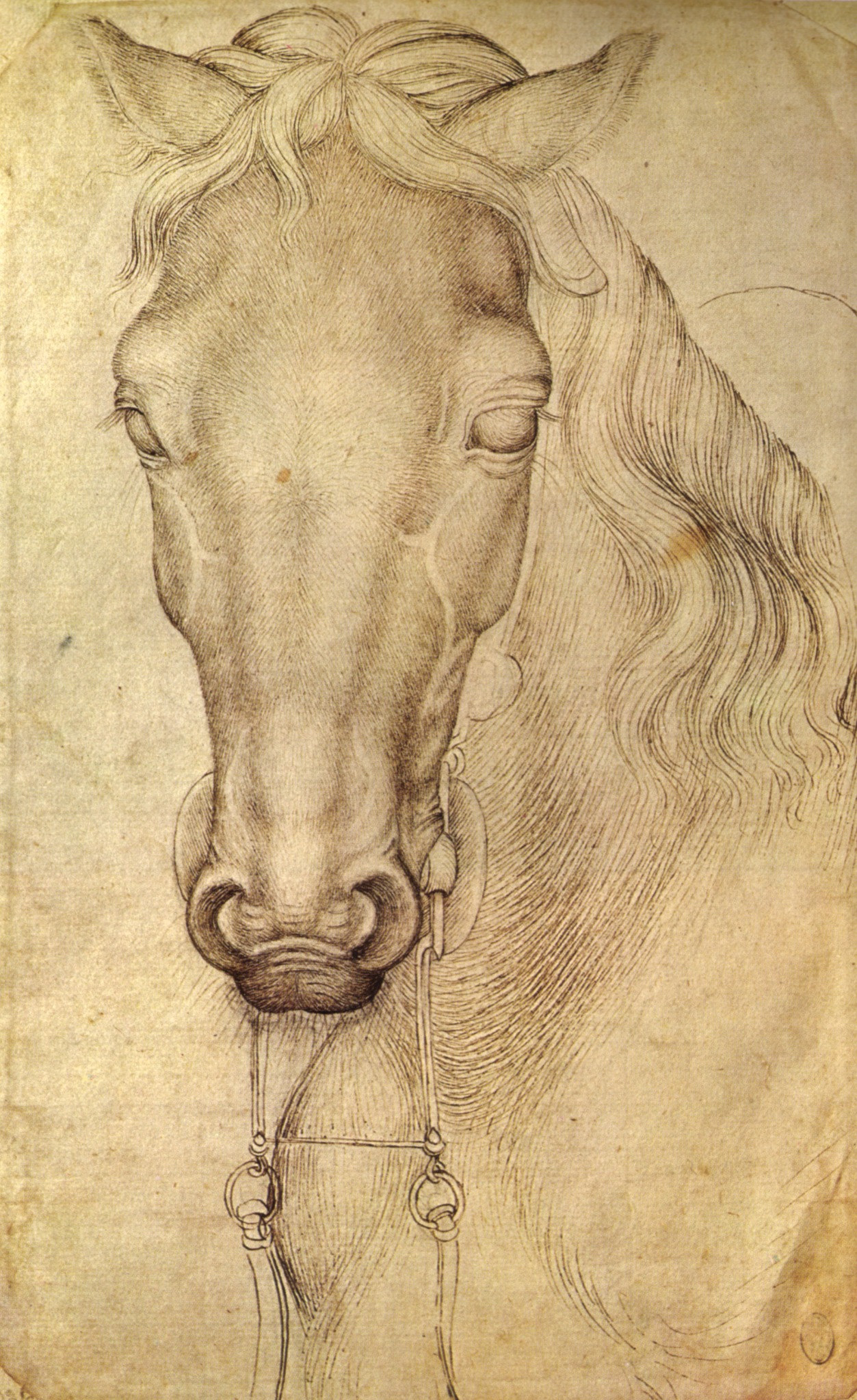 Observe — Nature under the magnifying glassAn animal, a plant or a feather becomes worthy of careful observation.
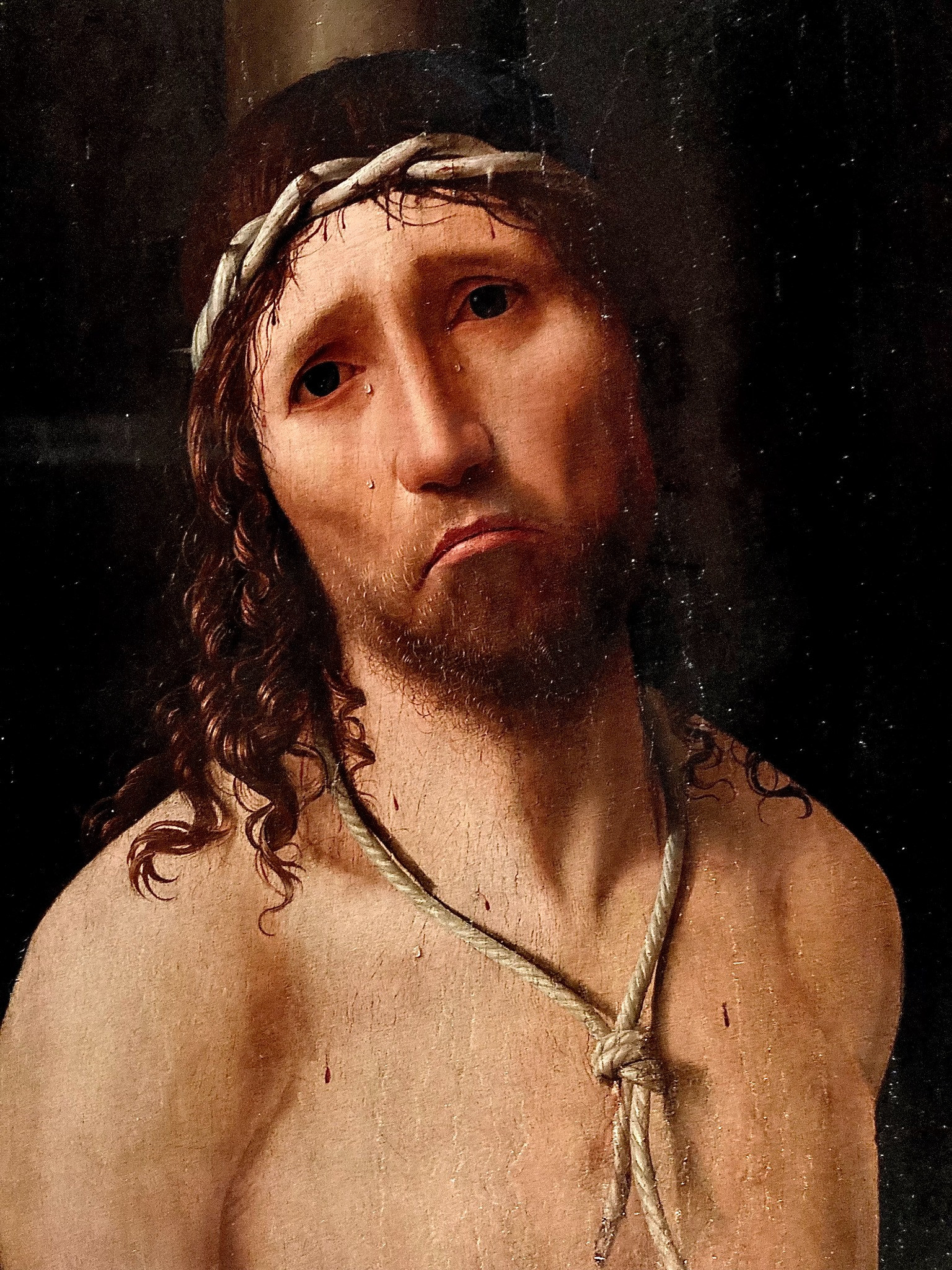 Feel — Painting the invisibleBeyond accurate forms, artists seek to make emotions and thoughts visible.
From the expression of emotion to the sensuality of Venus, discover how the body changed in Renaissance art through six ways of looking.
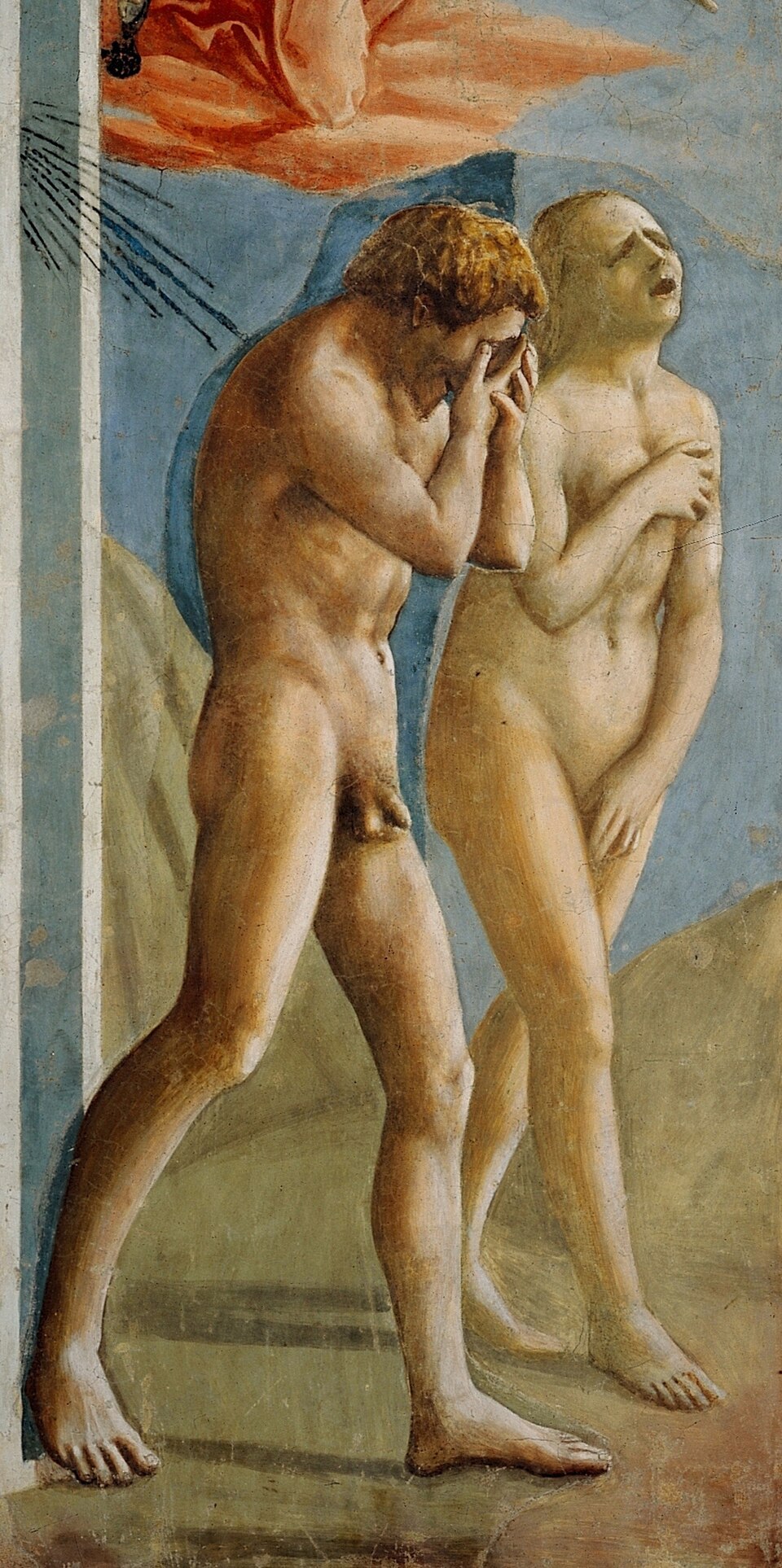 The body rediscovers emotionFrom anguished faces to physical presence: the body now expresses what a human being feels.
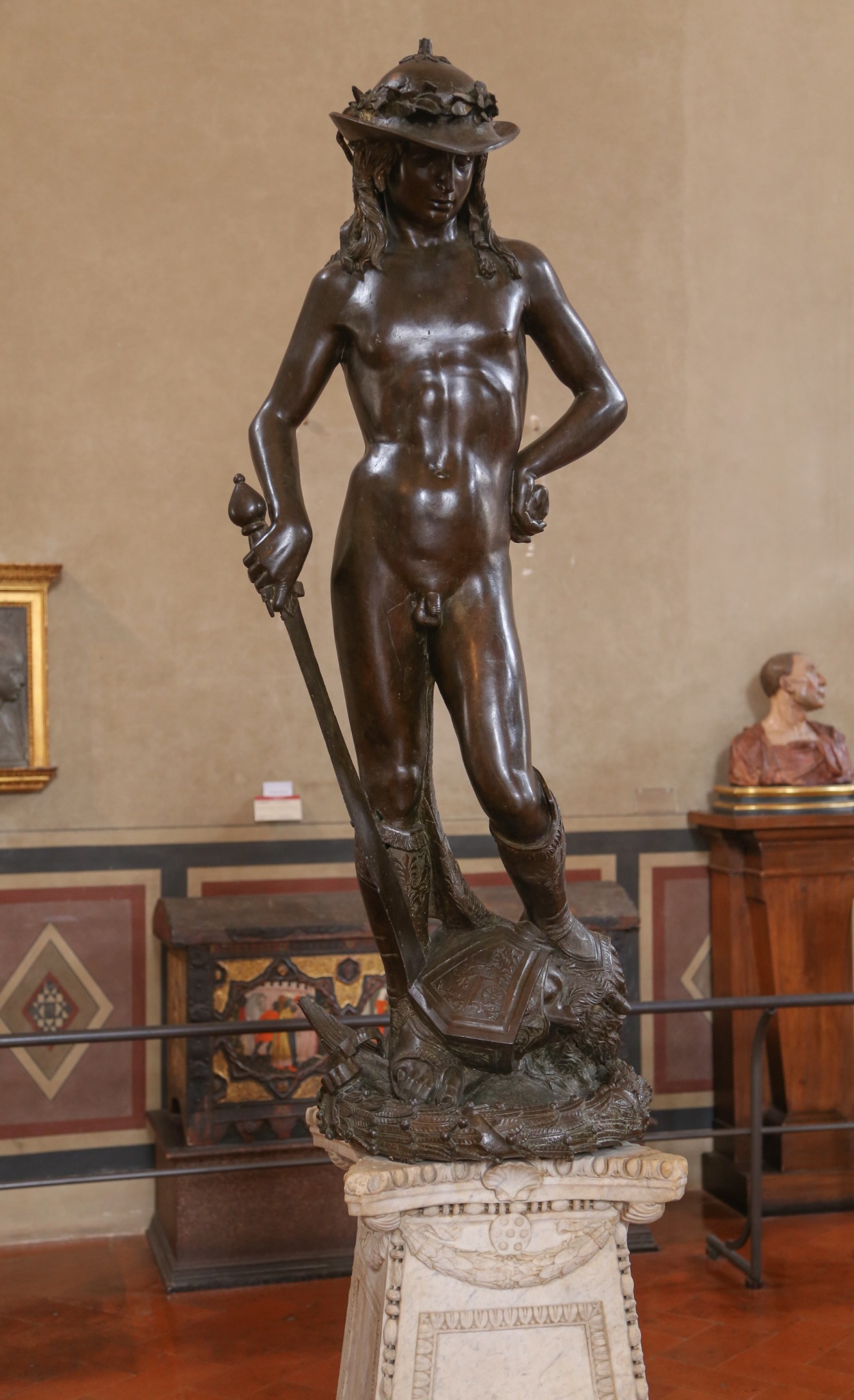 Daring to show the nude bodyThe nude is no longer simply a classical reference: it becomes vulnerable, alive and sometimes unsettling.
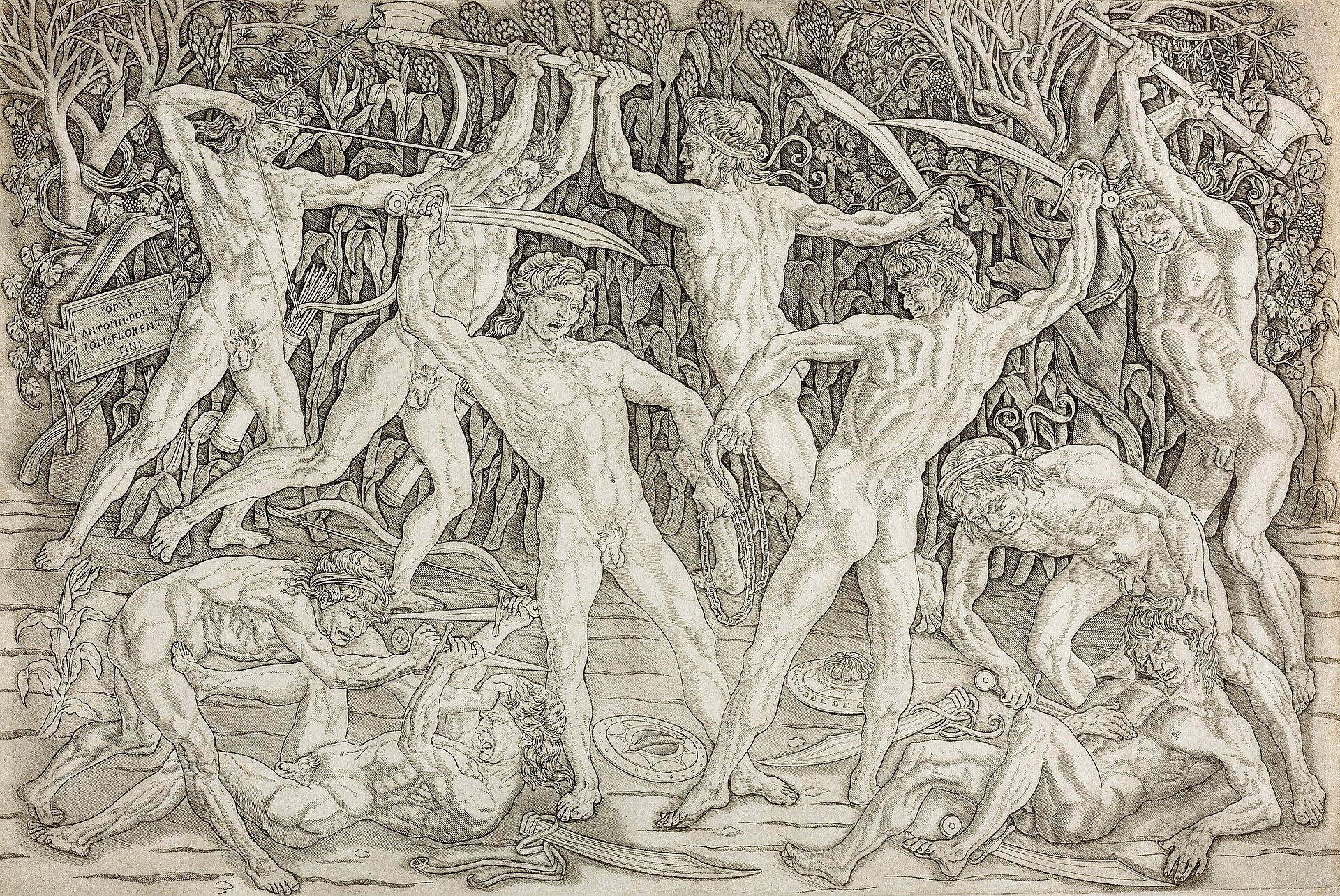 Setting the body in motionThe body twists, struggles, runs and rises. Artists explore its every possibility.
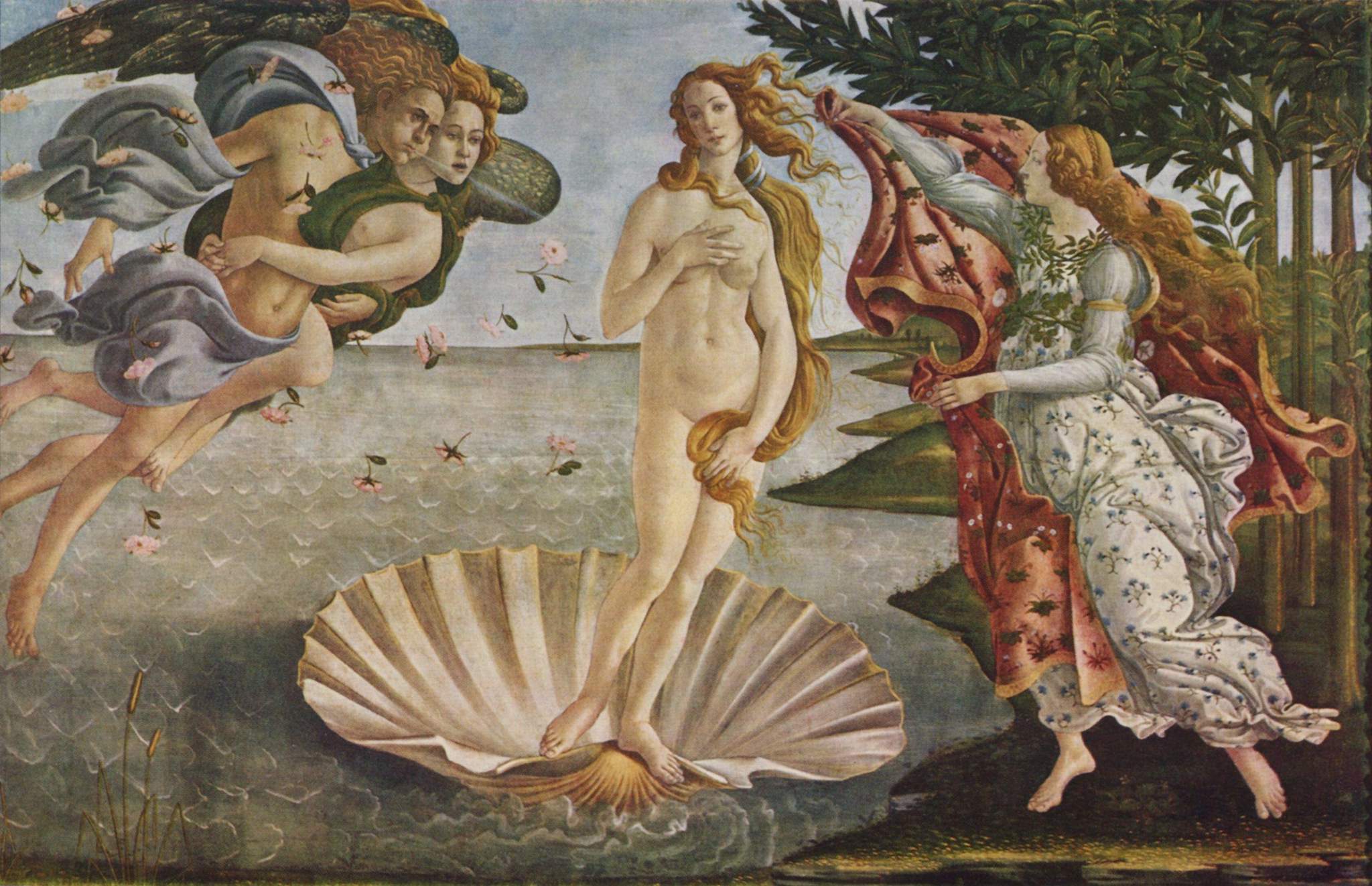 Inventing an ideal of beautyProportion, harmony and mythology: how can ideal beauty be represented?
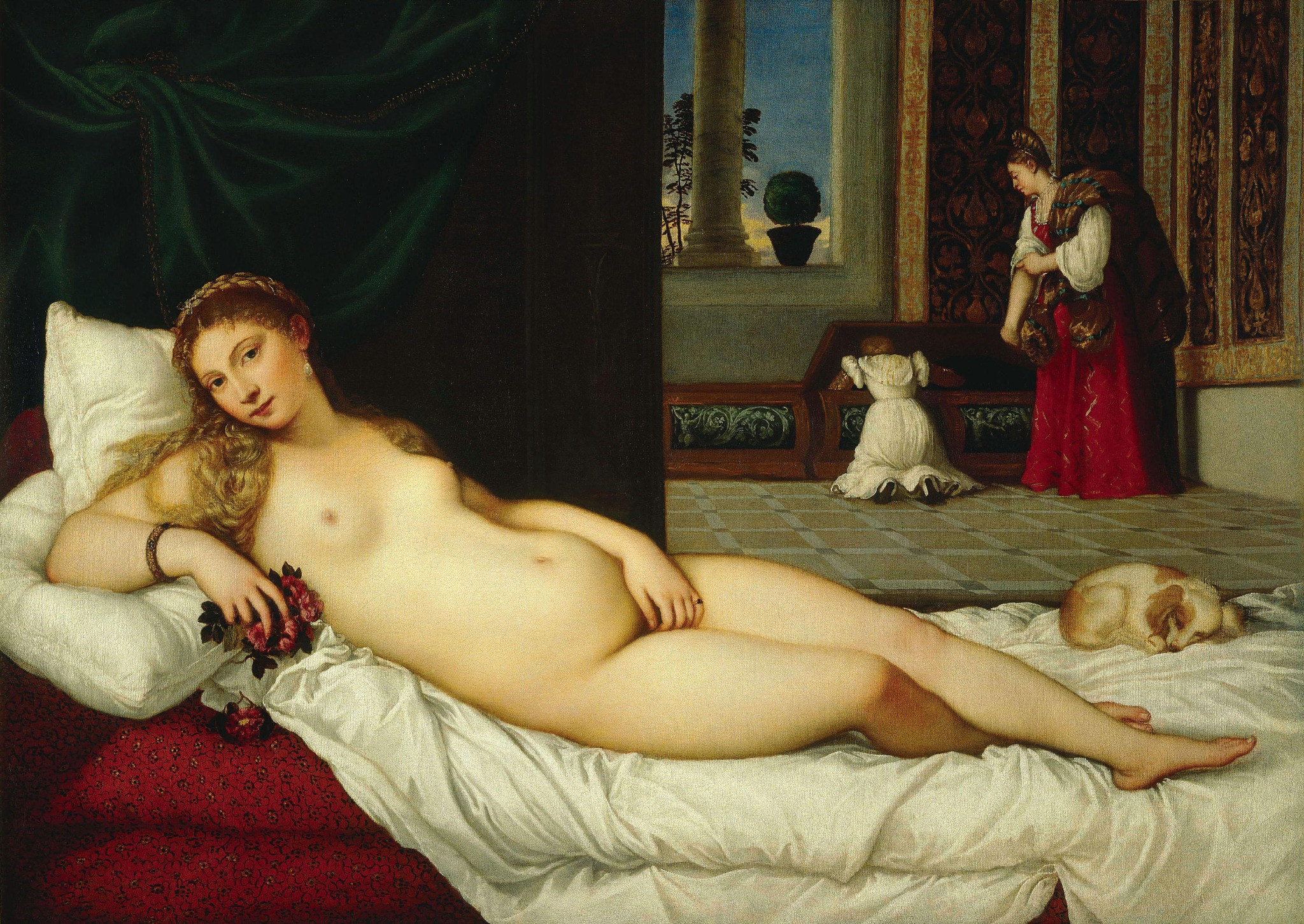 When beauty becomes desireNudity changes meaning with the gaze, setting and gestures: from an imagined goddess to a woman looking back at us.
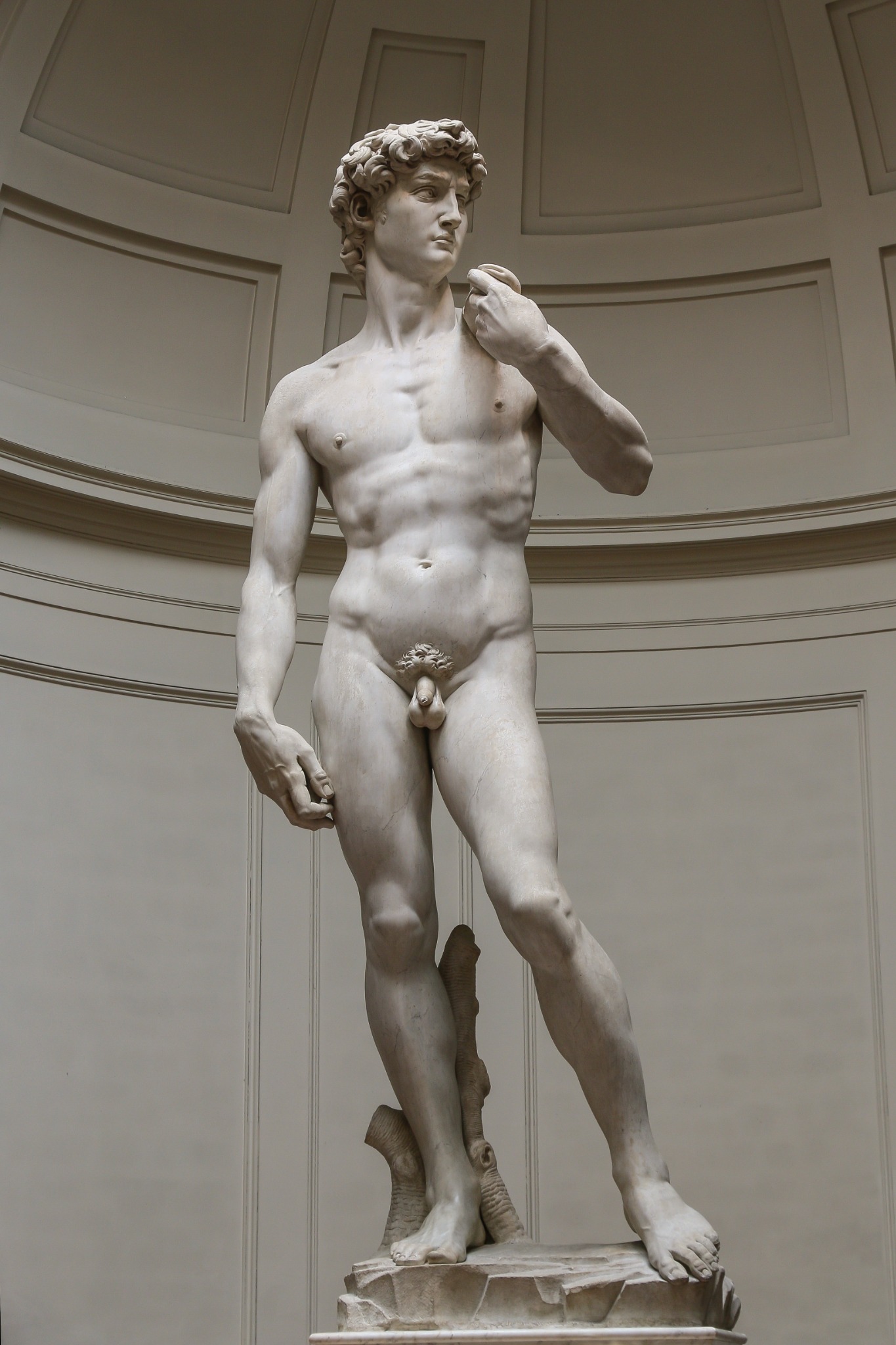 The body becomes superhumanAnatomy becomes monumental, expressive, almost impossible: the body exceeds human scale.
A second way to explore Renaissance art: follow the changing place of the individual in paintings and sculpture, rather than one artist at a time.
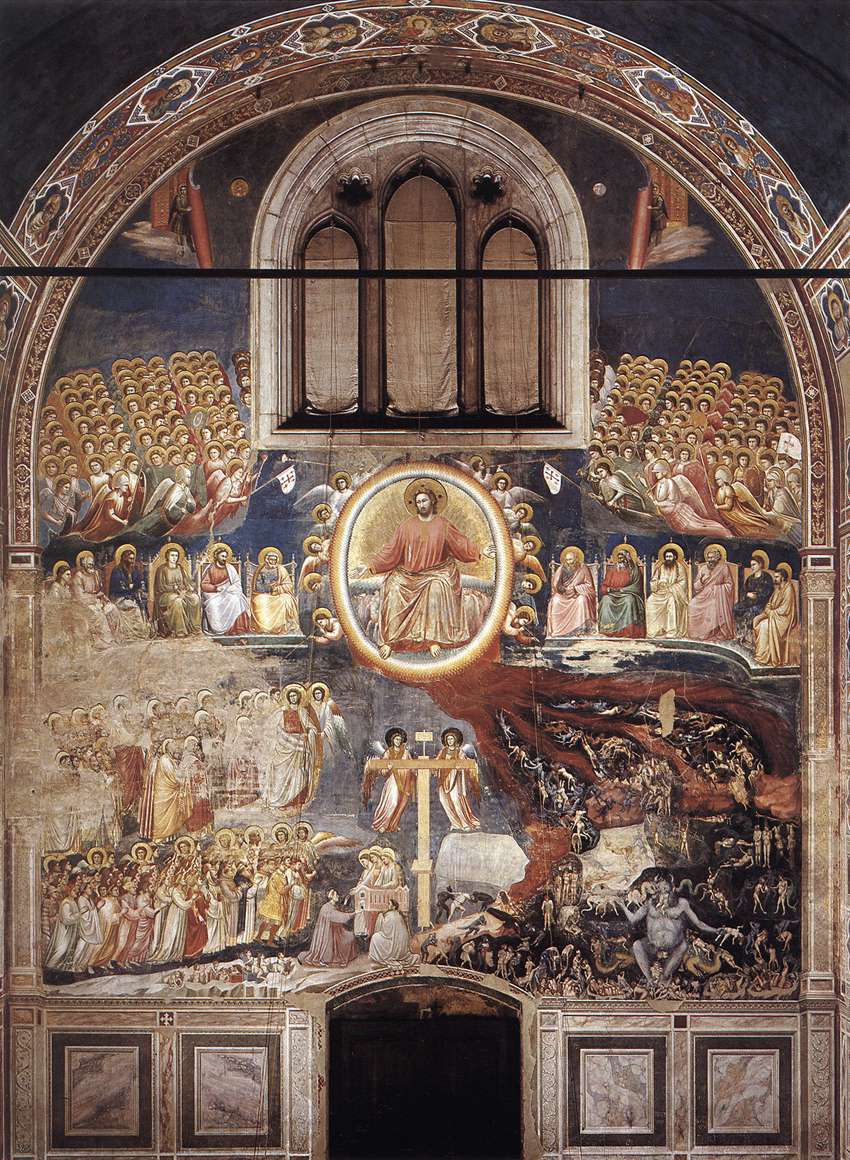 Finding a place beside the sacredFrom kneeling patrons to human figures shown at the scale of saints.
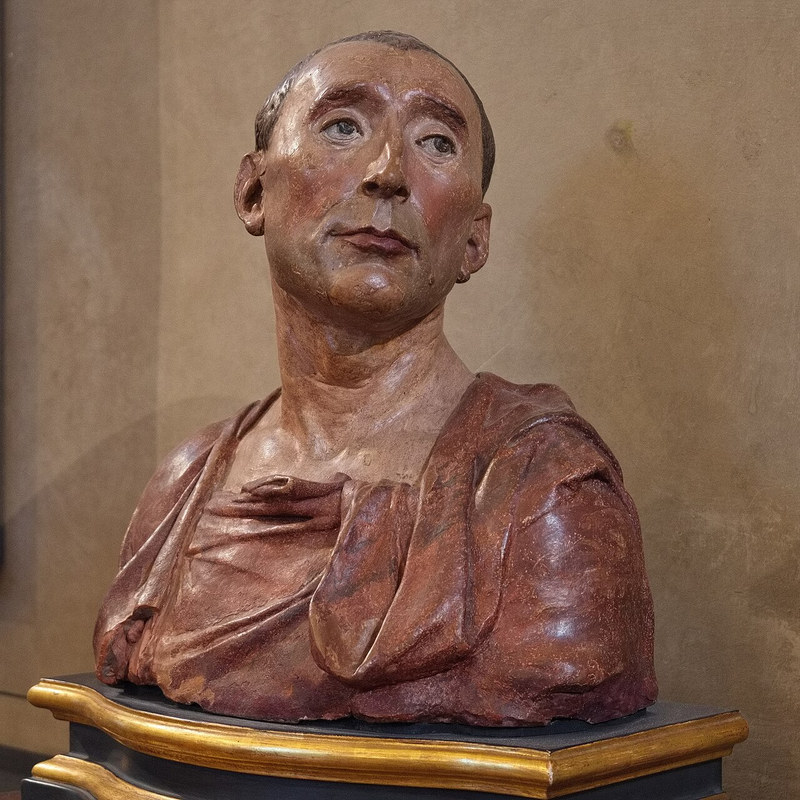 Existing through one’s faceThe portrait reveals identity and individuality.
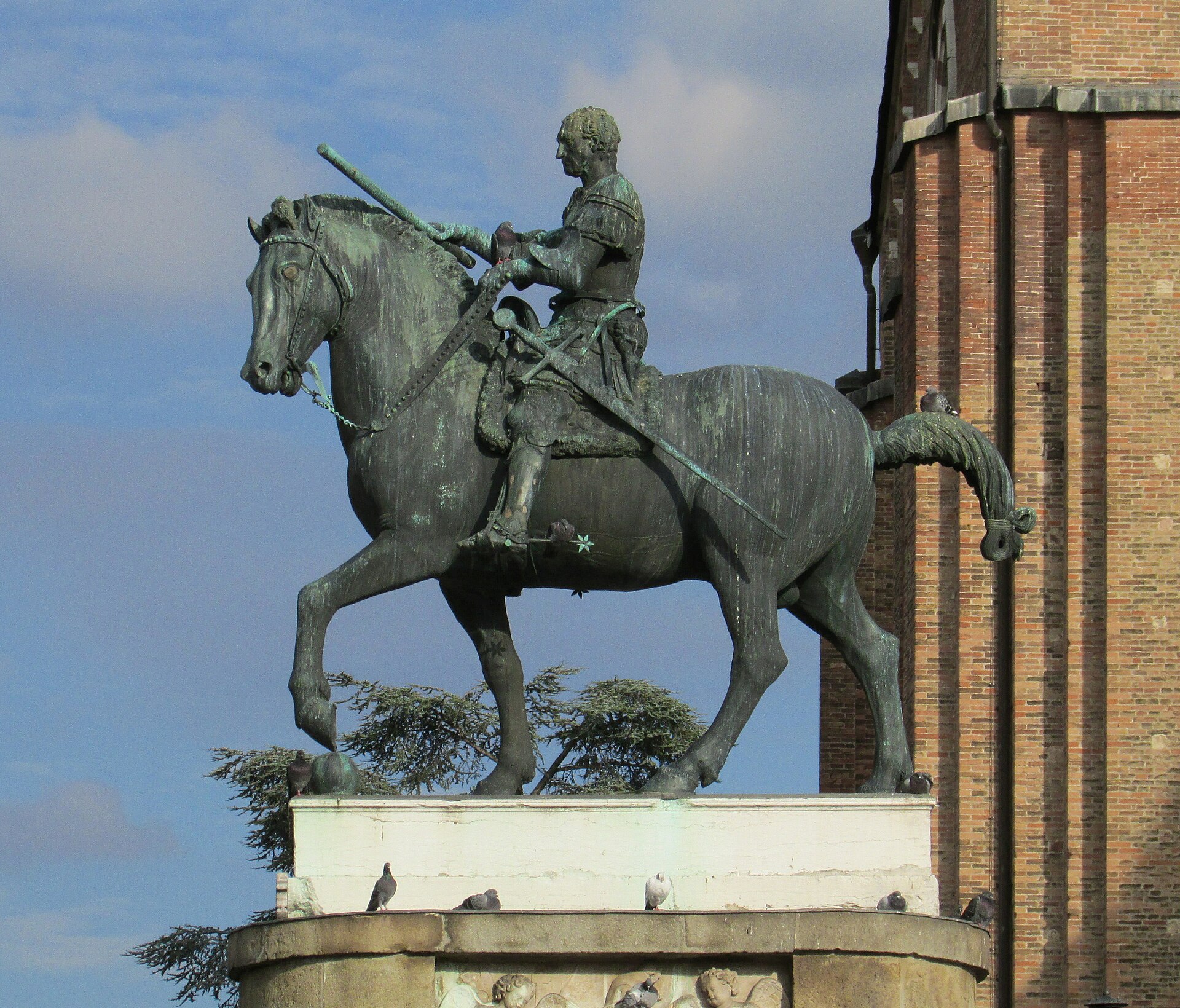 Entering historyThe equestrian monument celebrates personal achievement.
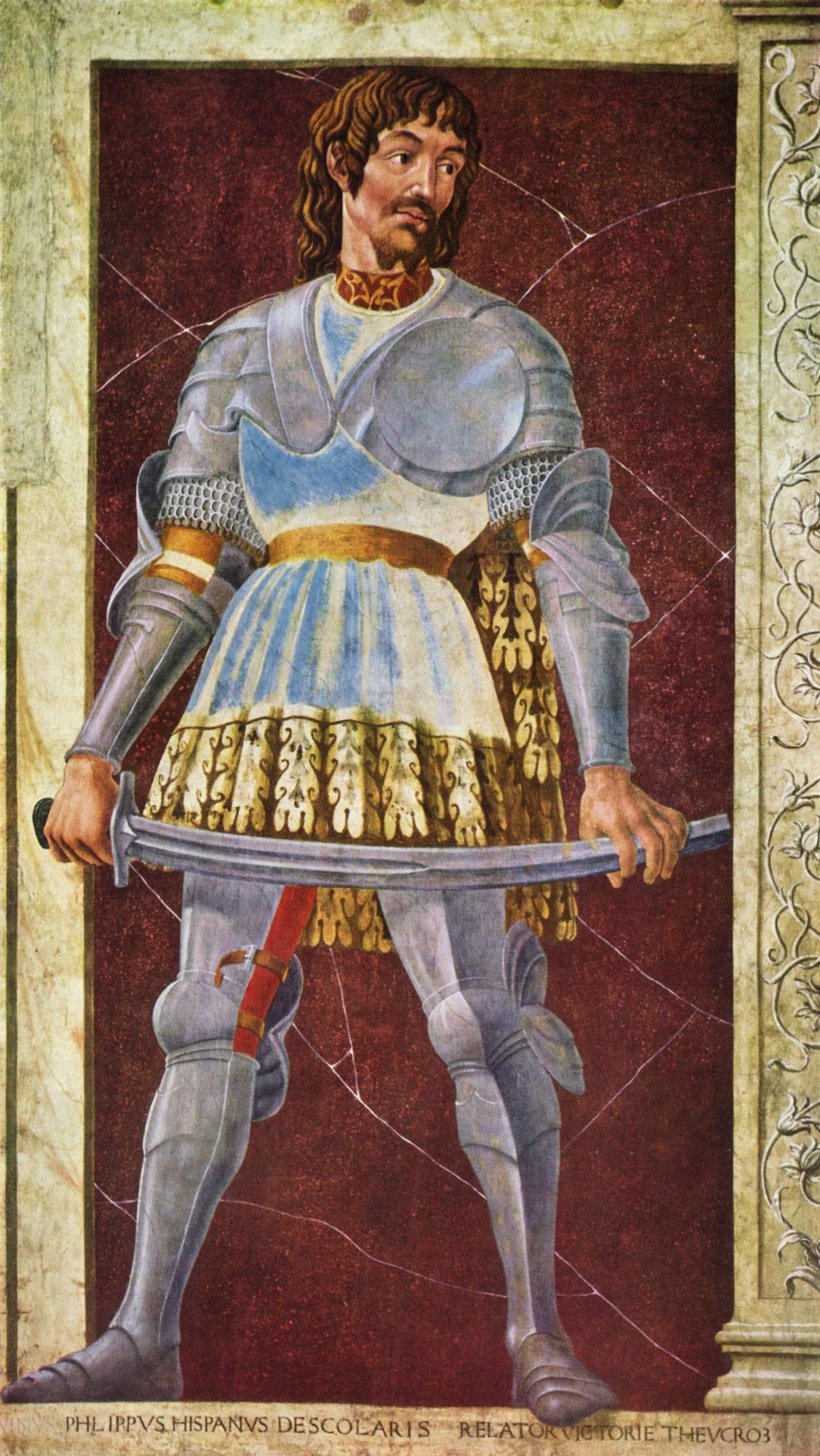 Becoming illustriousWarriors and writers become civic models.
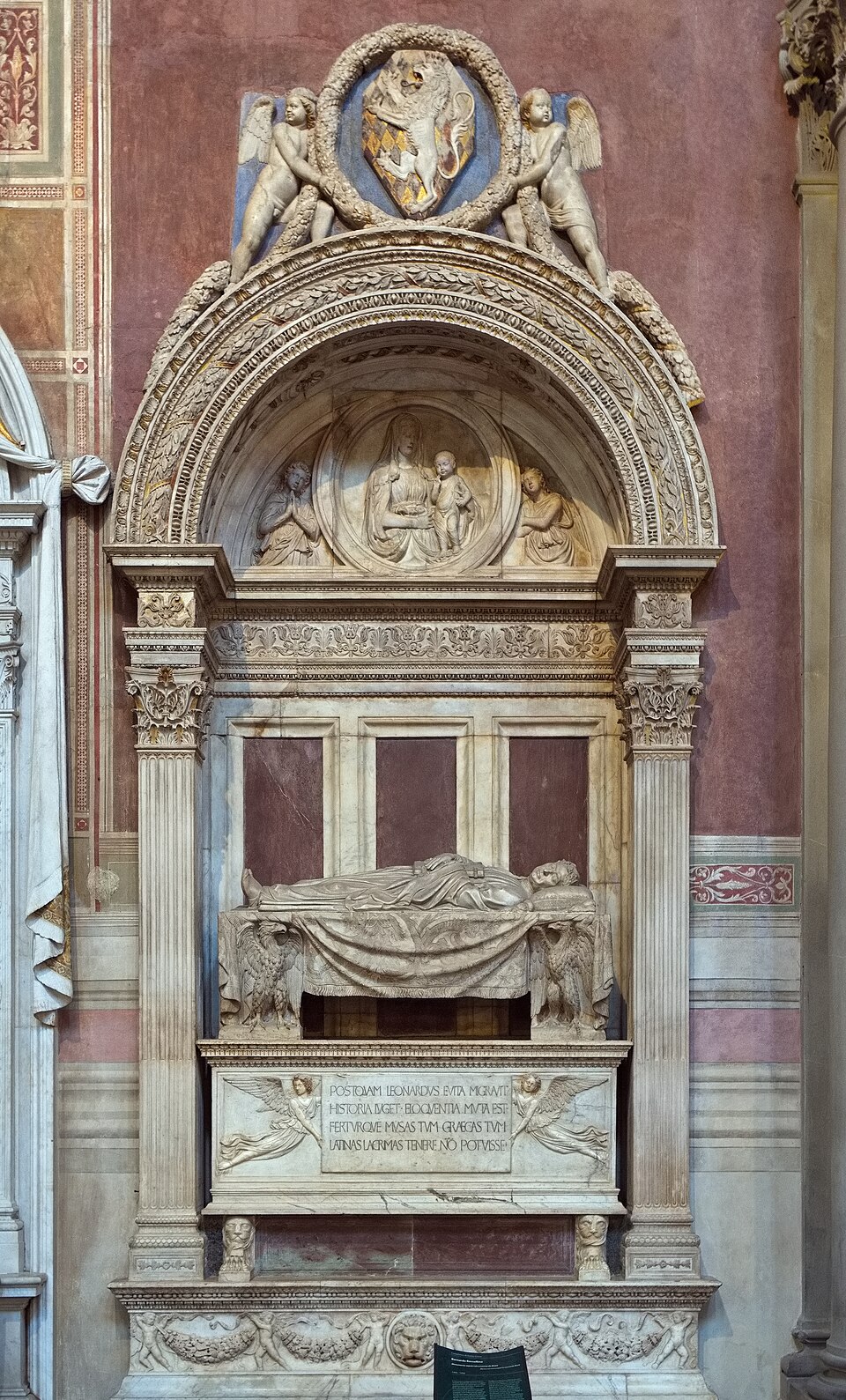 Defying oblivionFunerary monuments preserve individual memory.
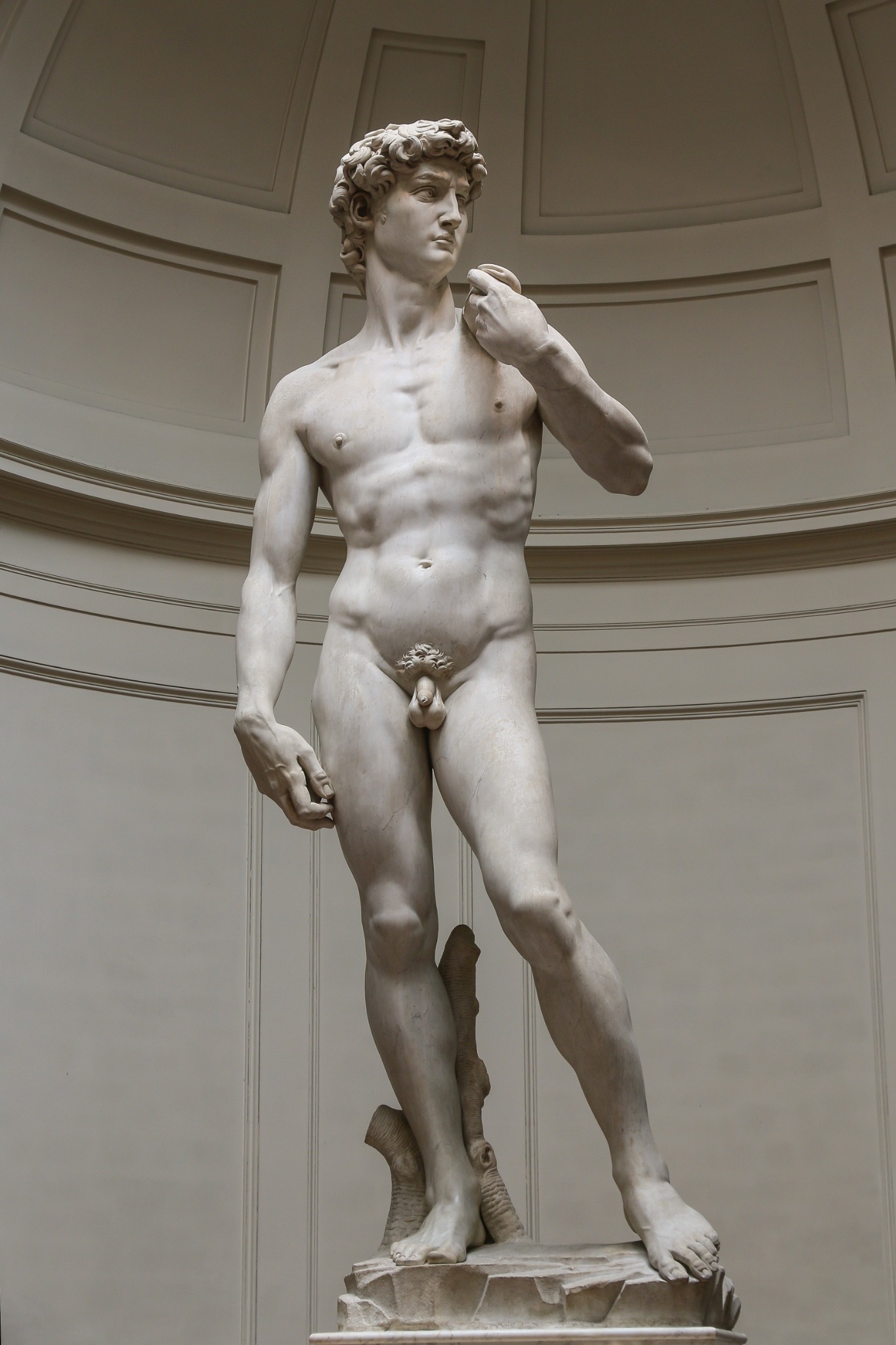 Saints and heroesSaints and heroes acquire a deeply human presence.
Renaissance artists rediscover the forms and myths of Antiquity. Rather than simply copying them, they transform them to create new approaches to architecture, sculpture and painting.
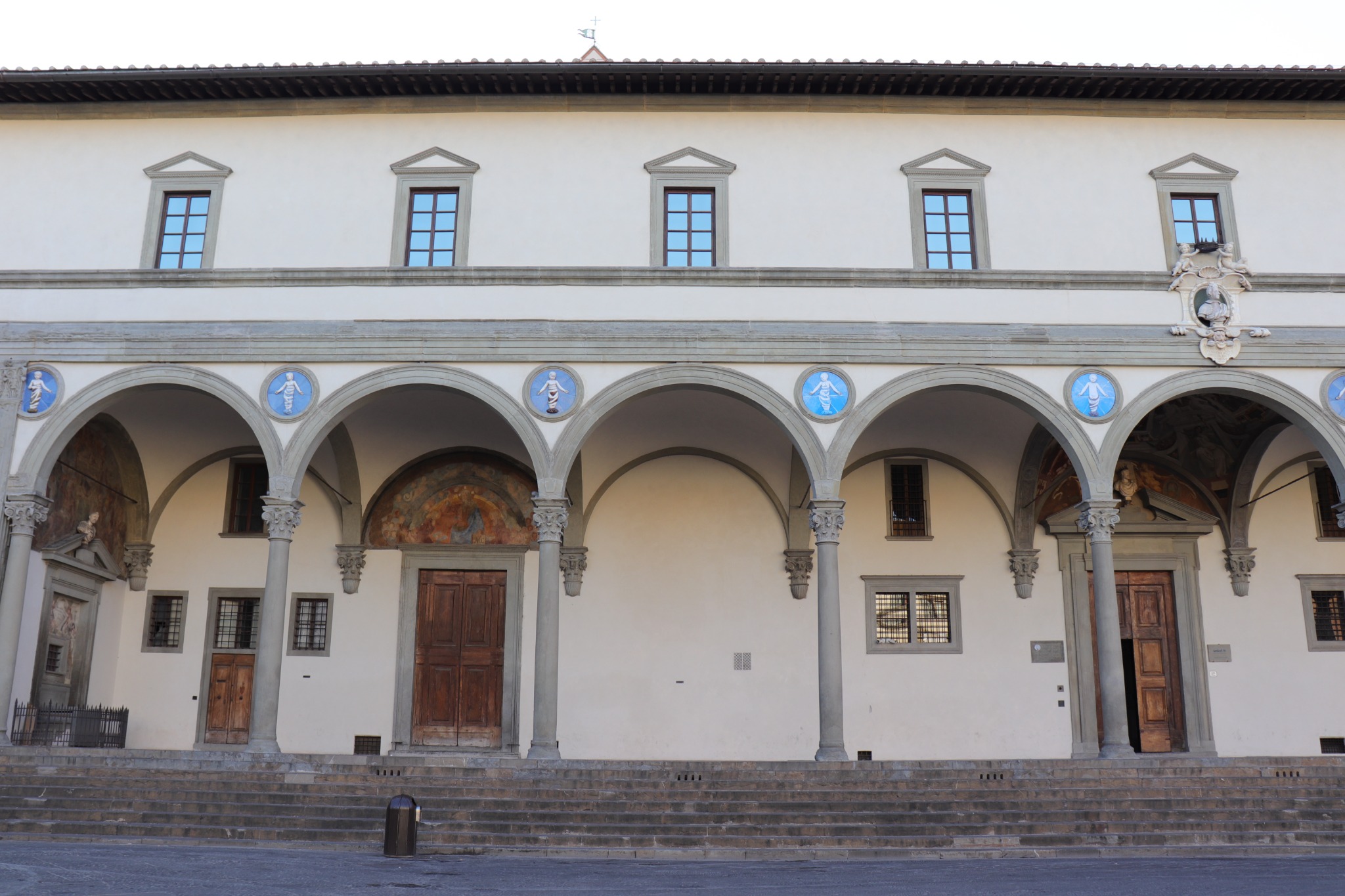 Rediscovering the language of the ancientsColumns, arches and proportions: ancient forms become a new language.
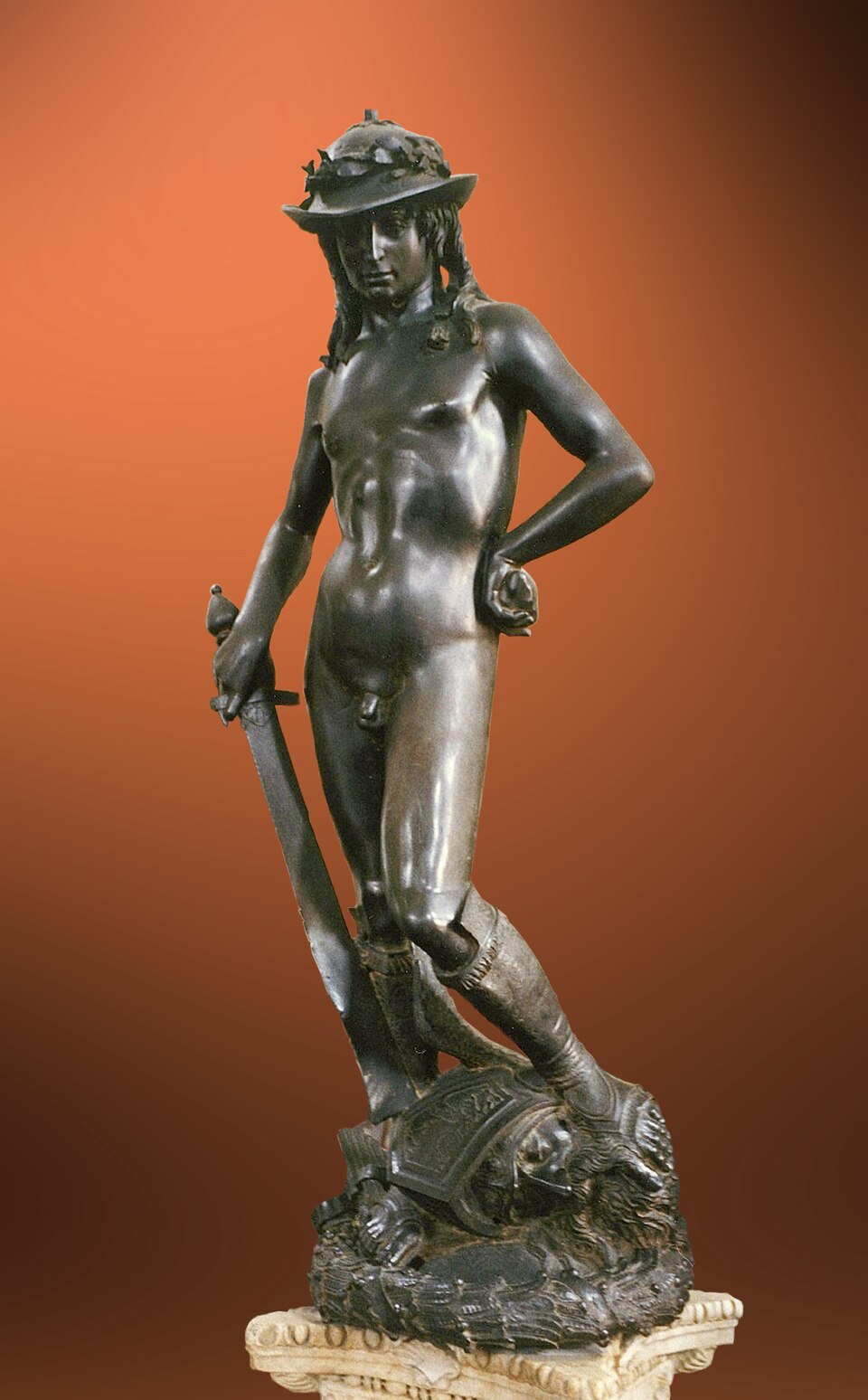 Reviving ancient heroesThe body, the equestrian monument and the power of myth.
 The return of the ancient godsVenus and Galatea reappear in a poetic world.
 Inventing ancient illusionPainting architecture and spaces that seem real.
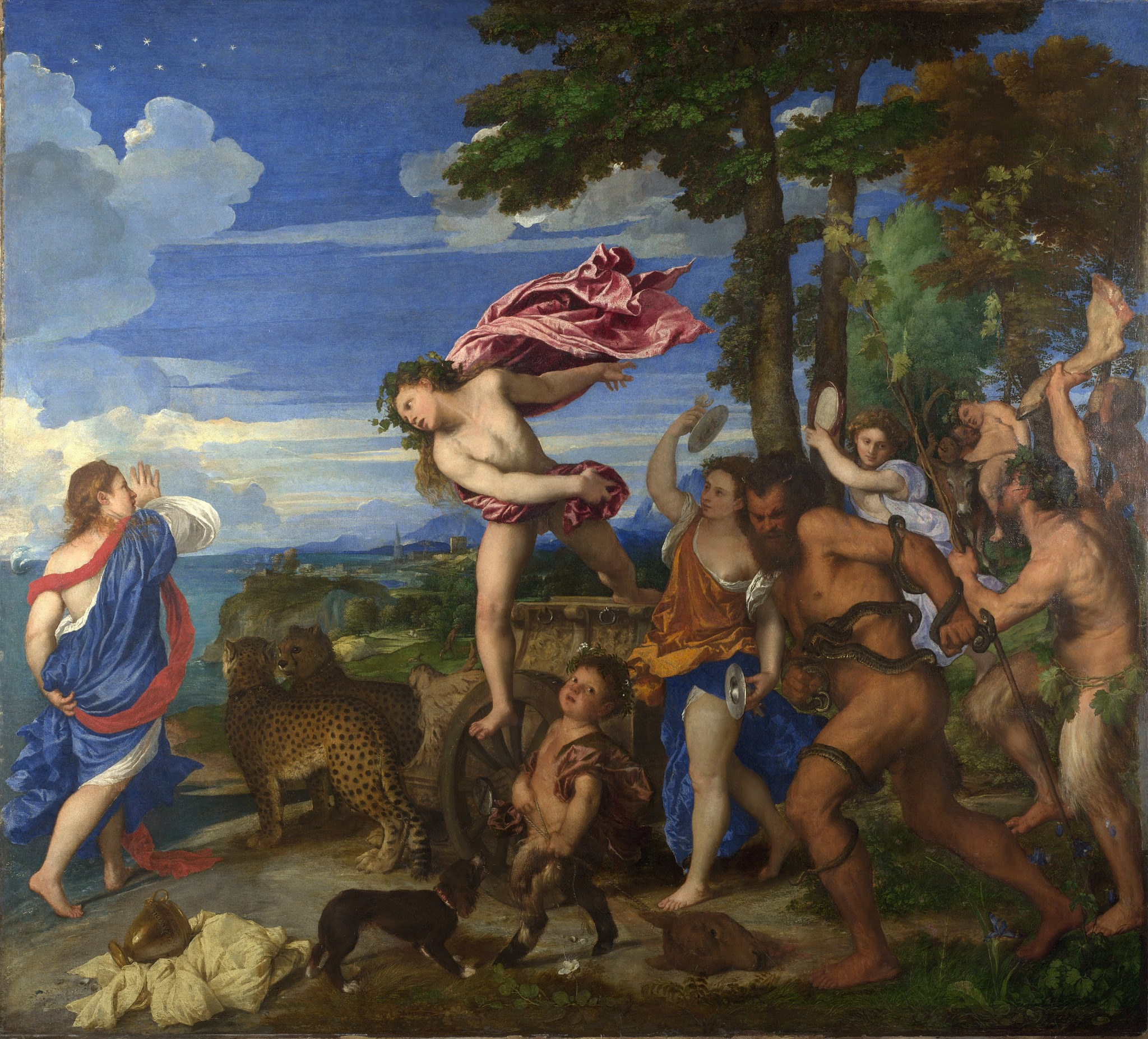 Bringing Antiquity to lifeMovement, desire and drama: myths become living scenes.
Available artist profiles and those to discover next, including the precursors who open this journey.
A humanist, theorist and architect, Alberti combines the study of Antiquity with new compositions.
Explore the profile →Flowing lines make bodies dance; the stories weave together mythology, desire and power.
Discover Botticelli →A Florentine architect, Brunelleschi renews construction and the organisation of space.
Explore the profile →At the end of the thirteenth century, Cimabue gives figures rooted in the Byzantine tradition a more tangible presence. He is a landmark at the dawn of the Renaissance.
Explore the profile →Donatello freely explores bodies, expressions and the possibilities of relief.
Explore the profile →Fra Angelico combines the pictorial innovations of his time with profound spirituality.
Explore the profile →Giotto renews pictorial storytelling through physical presence, gestures and powerful emotions.
Explore the profile →Leonardo combines artistic creation with observing nature, studying the body and experimentation.
Profile coming soonMantegna explores classical heritage, sculptural bodies and daring viewpoints.
Explore Mantegna →Masaccio gives figures a powerful physical presence within a coherent space.
Explore the profile →A painter, sculptor and architect, Michelangelo gives the body monumental expressive power.
Profile coming soonGeometry, light and silence: compelling figures and stories that retain their mystery.
Explore the profile →Raphael seeks harmony in composition and gives figures a vivid presence in both religious scenes and portraits.
Profile coming soonA distinctive vision combining perspective, military prestige and a fantastic imagination.
Explore the profile →A painter-monk who gave the figures of paradise the faces of everyday life.
Explore the artist →A theatrical, restless Renaissance, between Botticelli and Masaccio.
Discover the artist →« He brings bronze to life, makes gestures speak, and trains one of the greatest geniuses of the Renaissance. »
Verrocchio — A Sculptor’s Bold Ideas →Measured gestures, serene faces and spacious landscapes: in Perugino’s paintings, everything seems to find its rightful place.
Le Pérugin : l’art de l’harmonie →A birth, a tragedy, a miracle, a glance: Ghirlandaio turns painting into storytelling and gives sacred stories the faces of his own time.
Ghirlandaio — A Gift for Storytelling →A turning face, a hesitant hand, an emotion spreading through a group: Leonardo observes the visible world to suggest an inner life.
Leonardo da Vinci — Painting the Unseen →A face, a light, a presence.
Antonello de Messine →In Venice, Giovanni Bellini turns light and colour into a language of emotion.
Giovanni Bellini →