Giotto
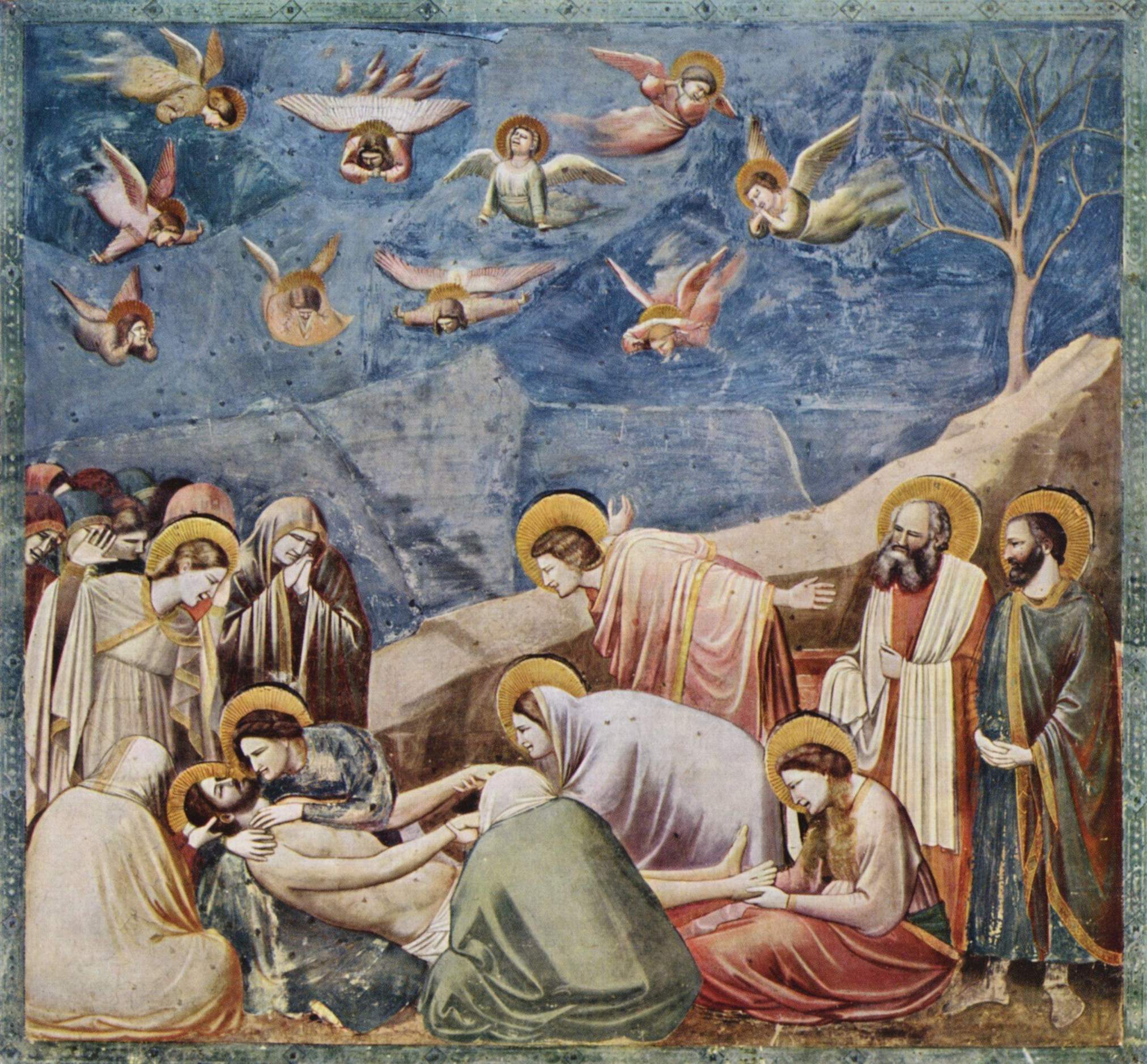
The Lamentation of Christ
Bodies gather around Christ. Faces and hands convey a shared grief.
The Yorck Project · public domain
From Giotto to Titian, discover how Renaissance artists gave figures emotions, gestures, movement and an inner life.
Apprendre à voir, oser regarder.
Faces and bodies no longer merely signify; they make us feel the drama.
Bodies gather around Christ. Faces and hands convey a shared grief.
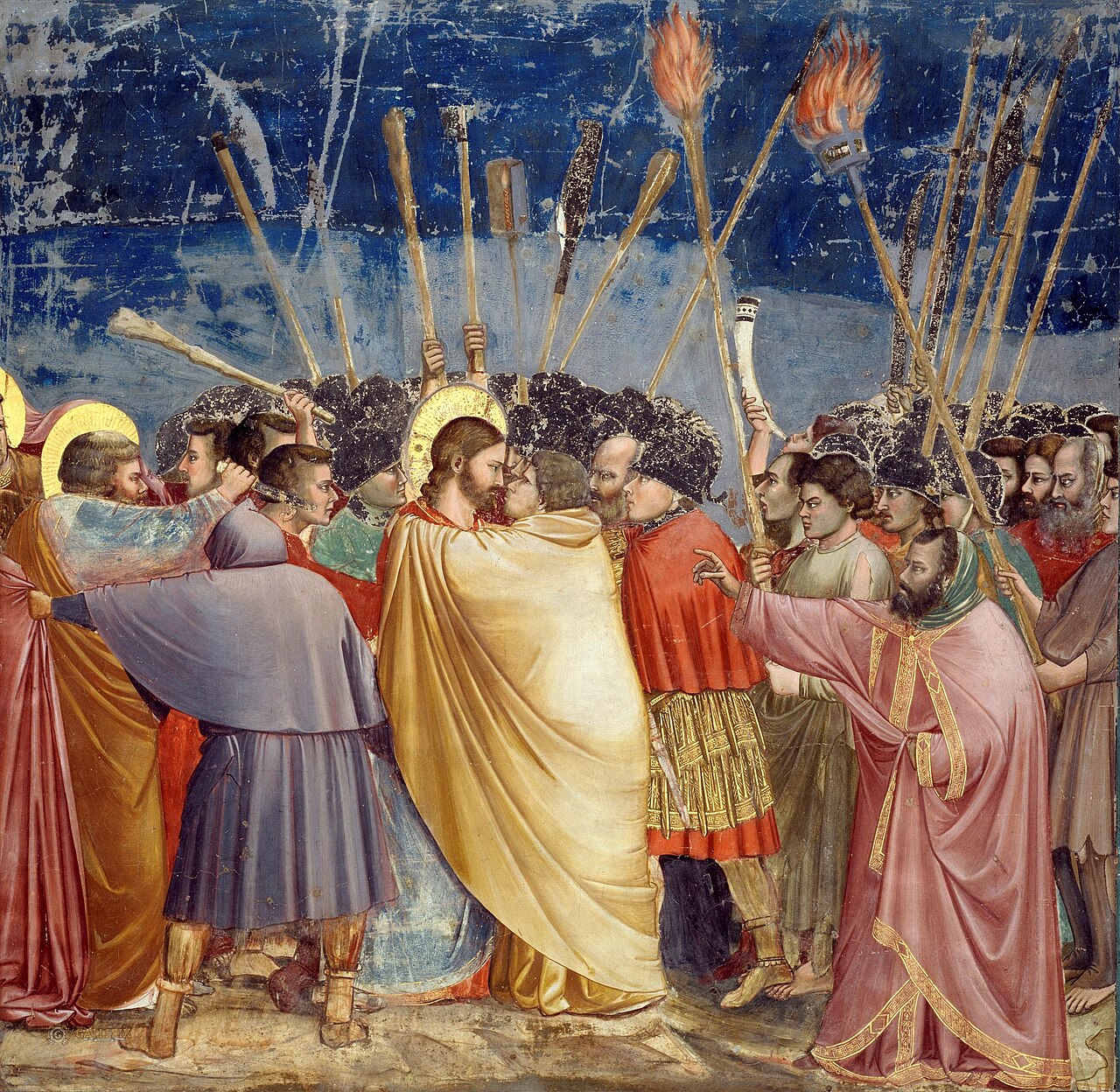
Among weapons and torches, two gazes meet. The confrontation concentrates the drama.
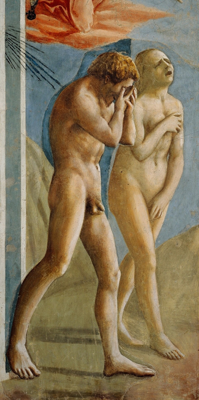
Faces distorted by shame and sorrow give the story a physical reality.
Look closely: Which detail makes you feel the emotion before you even understand the story?
A hand, a gaze or a posture can guide an entire story.
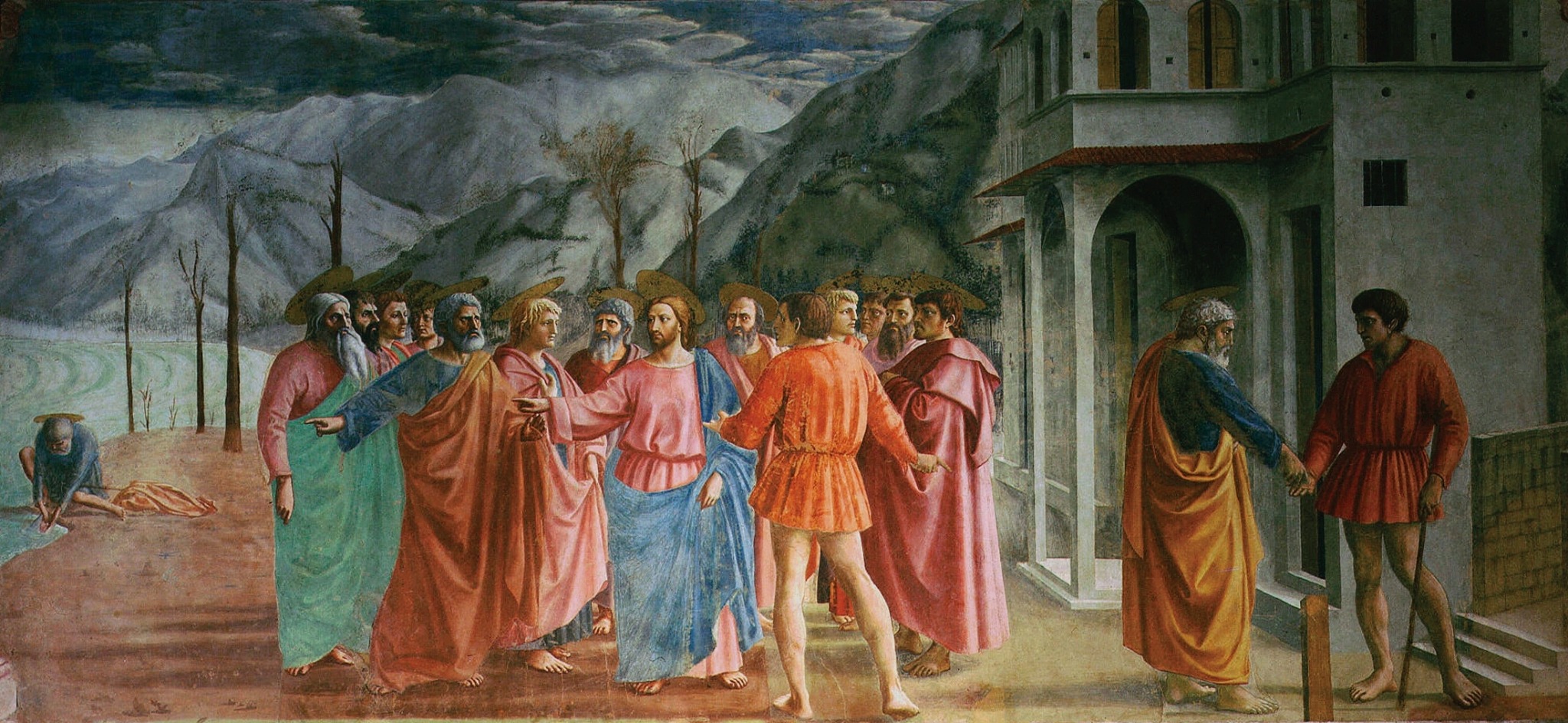
Christ’s hand points the way; gestures connect three moments of a single story.
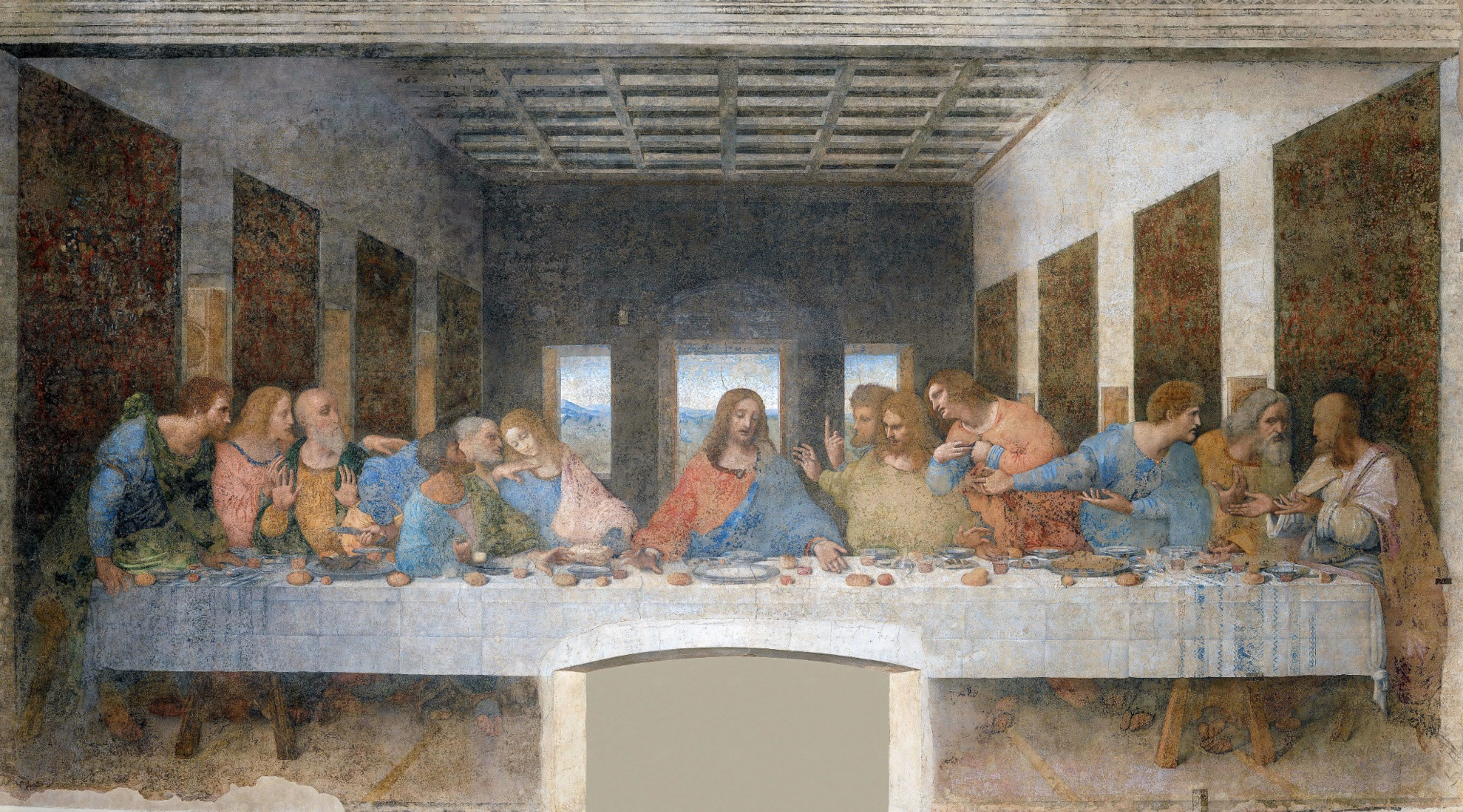
Each apostle reacts differently to Christ’s announcement: gestures become a language.
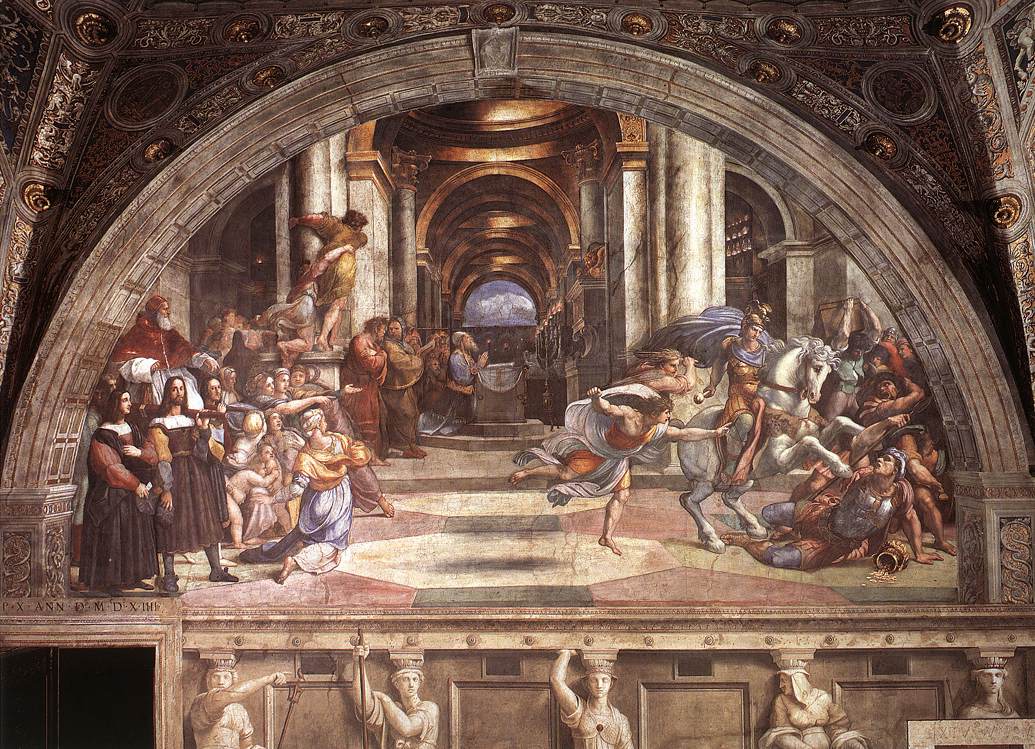
Opposing movements and outstretched arms turn the space into a theatre of action.
Look closely: Which hand guides your eye?
The painter chooses a decisive instant, or combines several actions in one image.
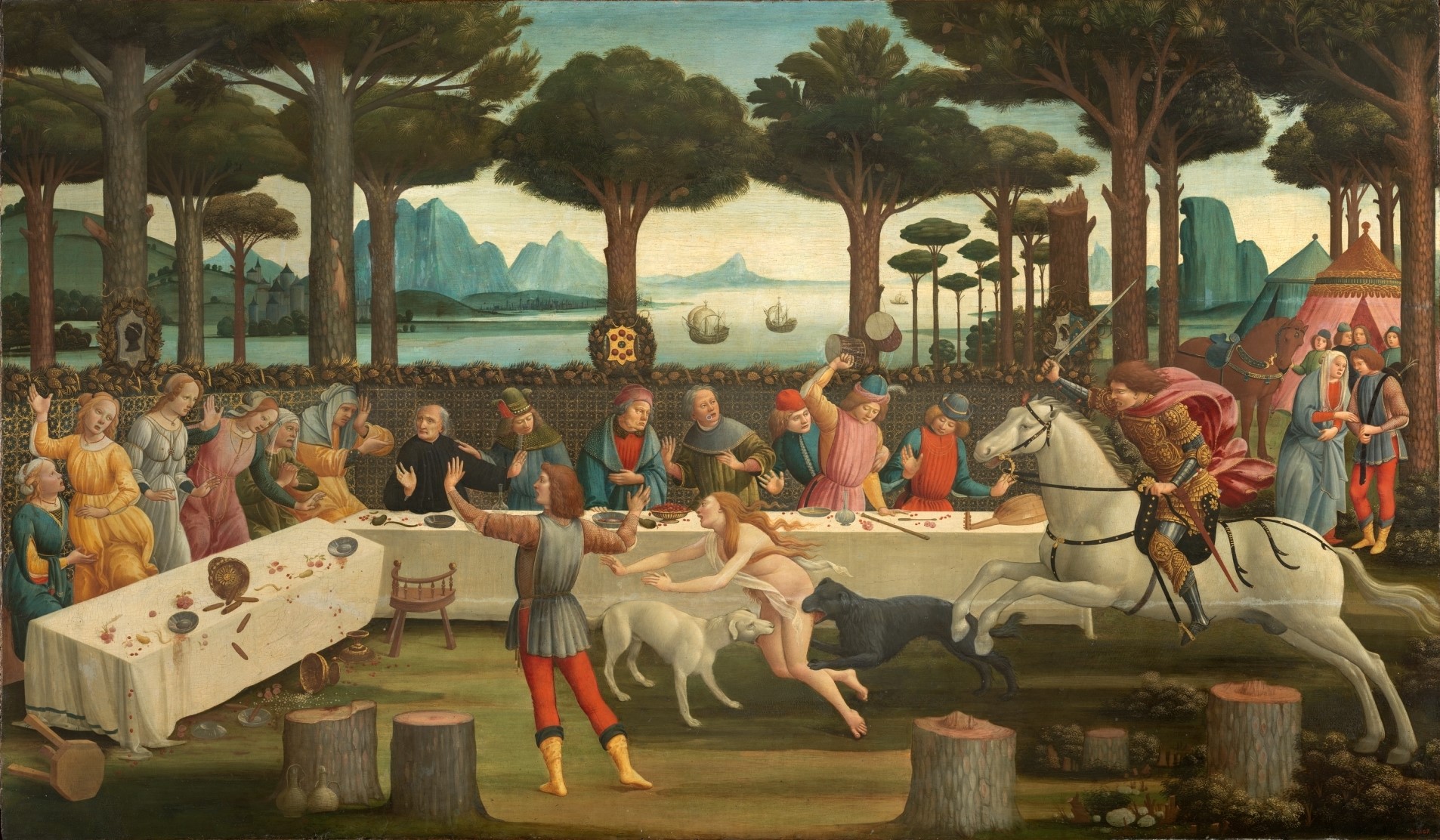
The guests’ surprise, the flight and the chase propel the story through a continuous landscape.
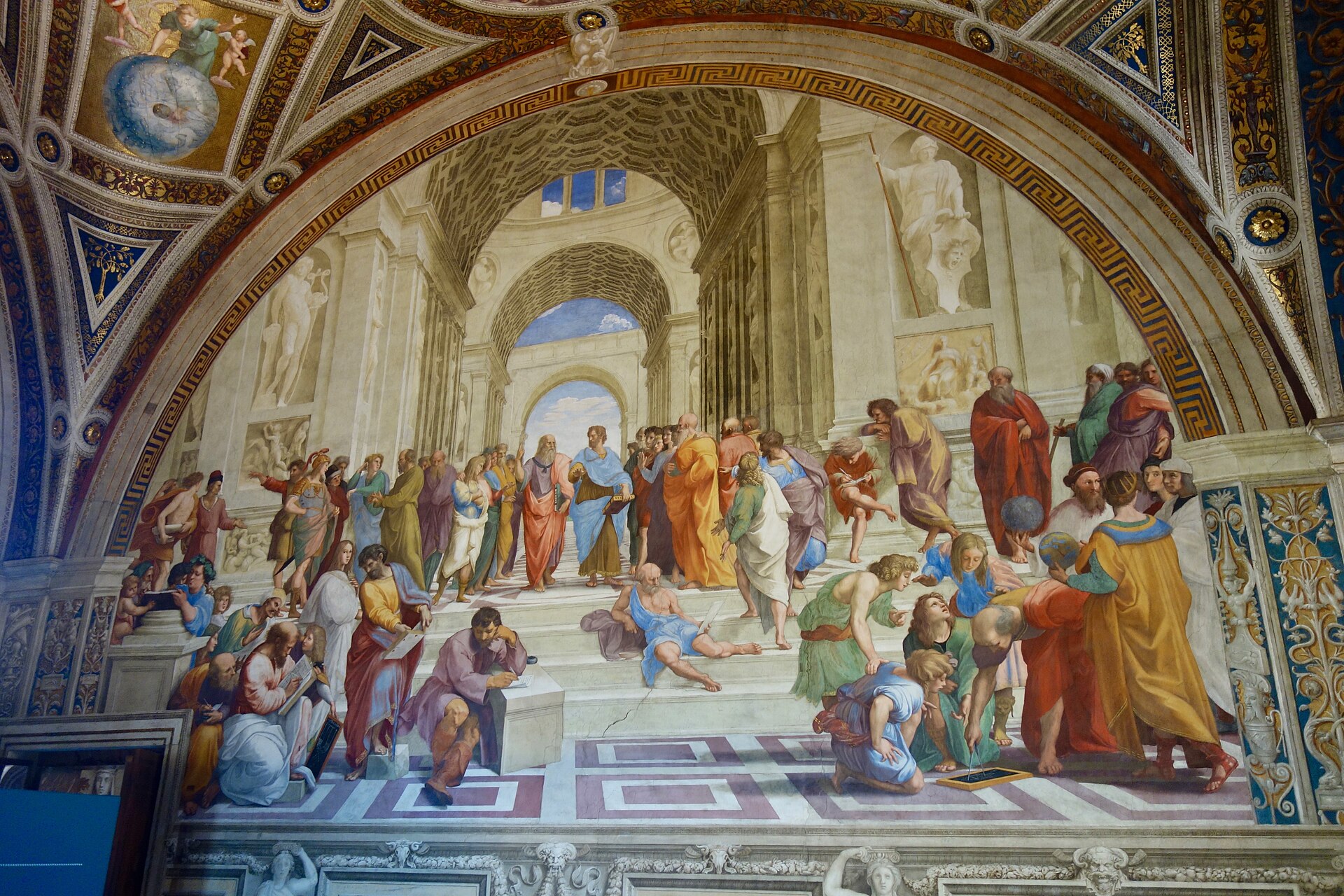
Every group debates, demonstrates or listens: a crowd becomes a living conversation.
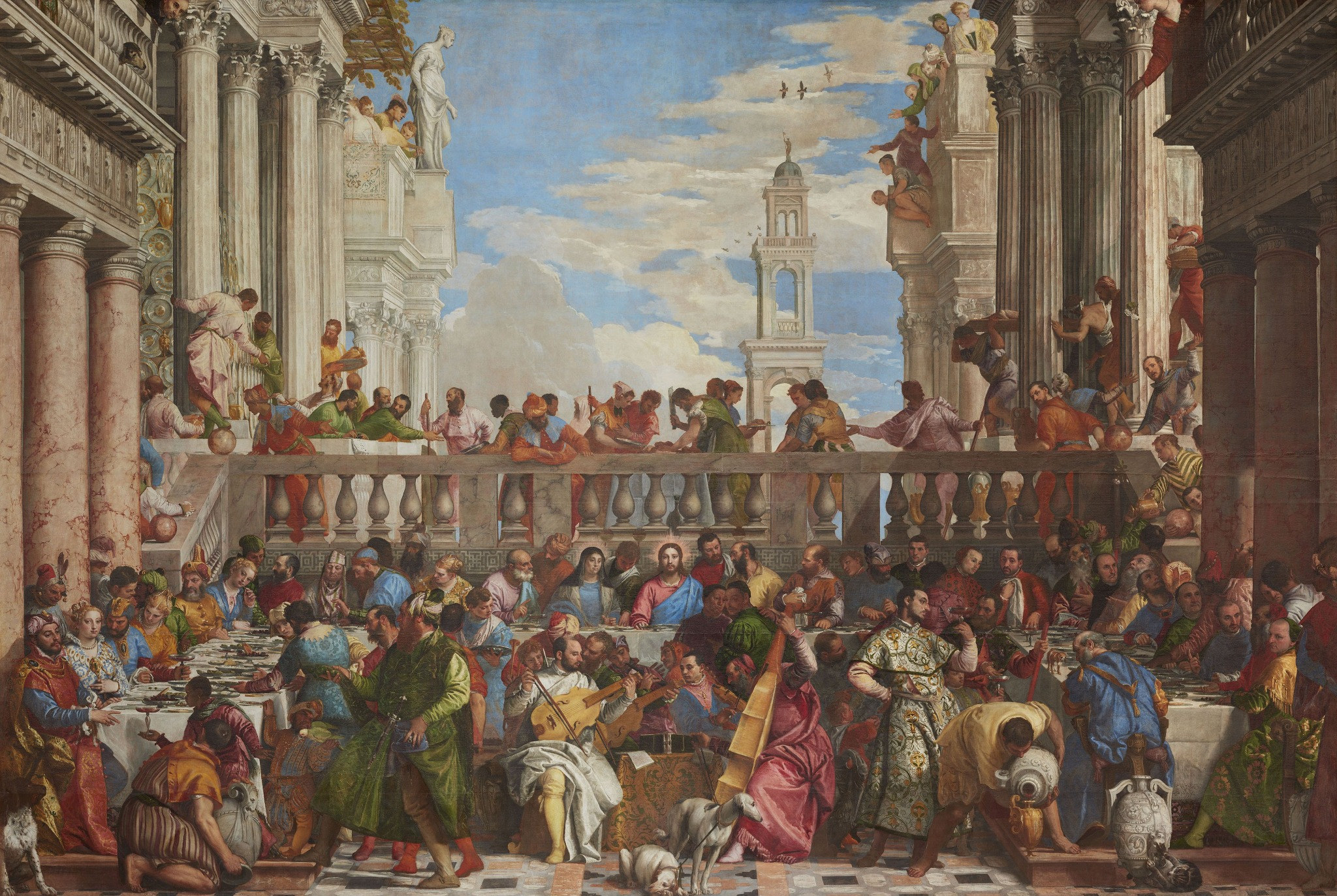
Gestures, gazes and conversations create a bustling scene that keeps the eye moving.
Look closely: Where does the story begin, and where does it continue?
Portraits invite us to imagine a thought, a focus or a restrained emotion.
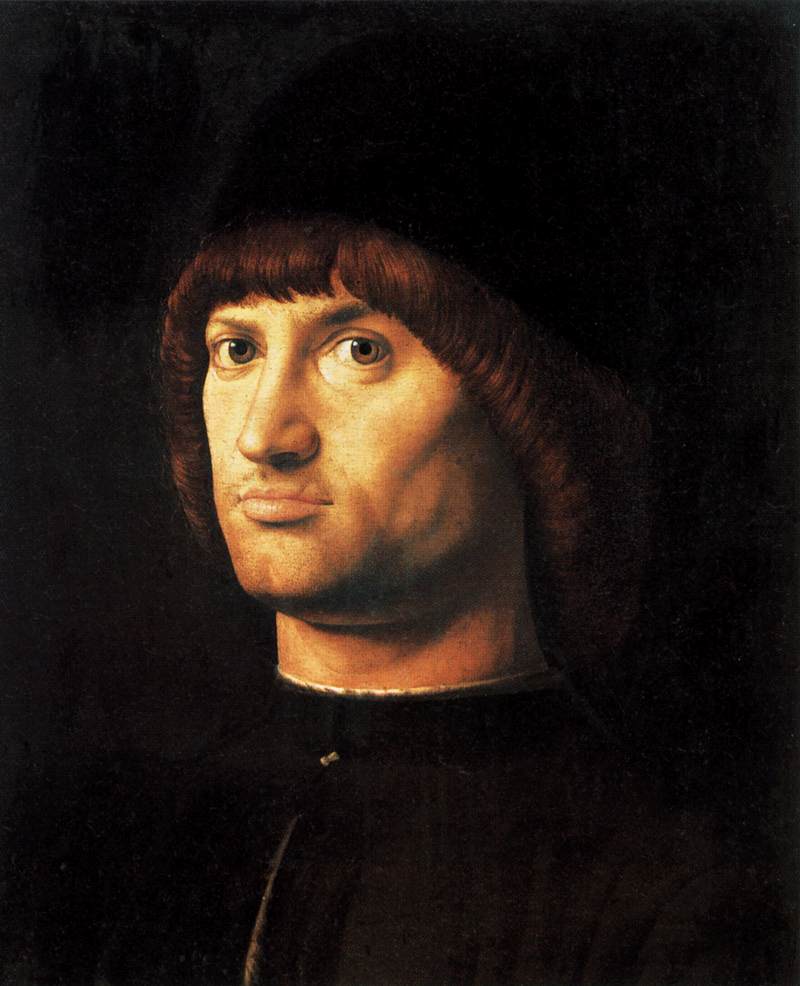
A direct gaze and closed lips suggest a personality without narrating an event.
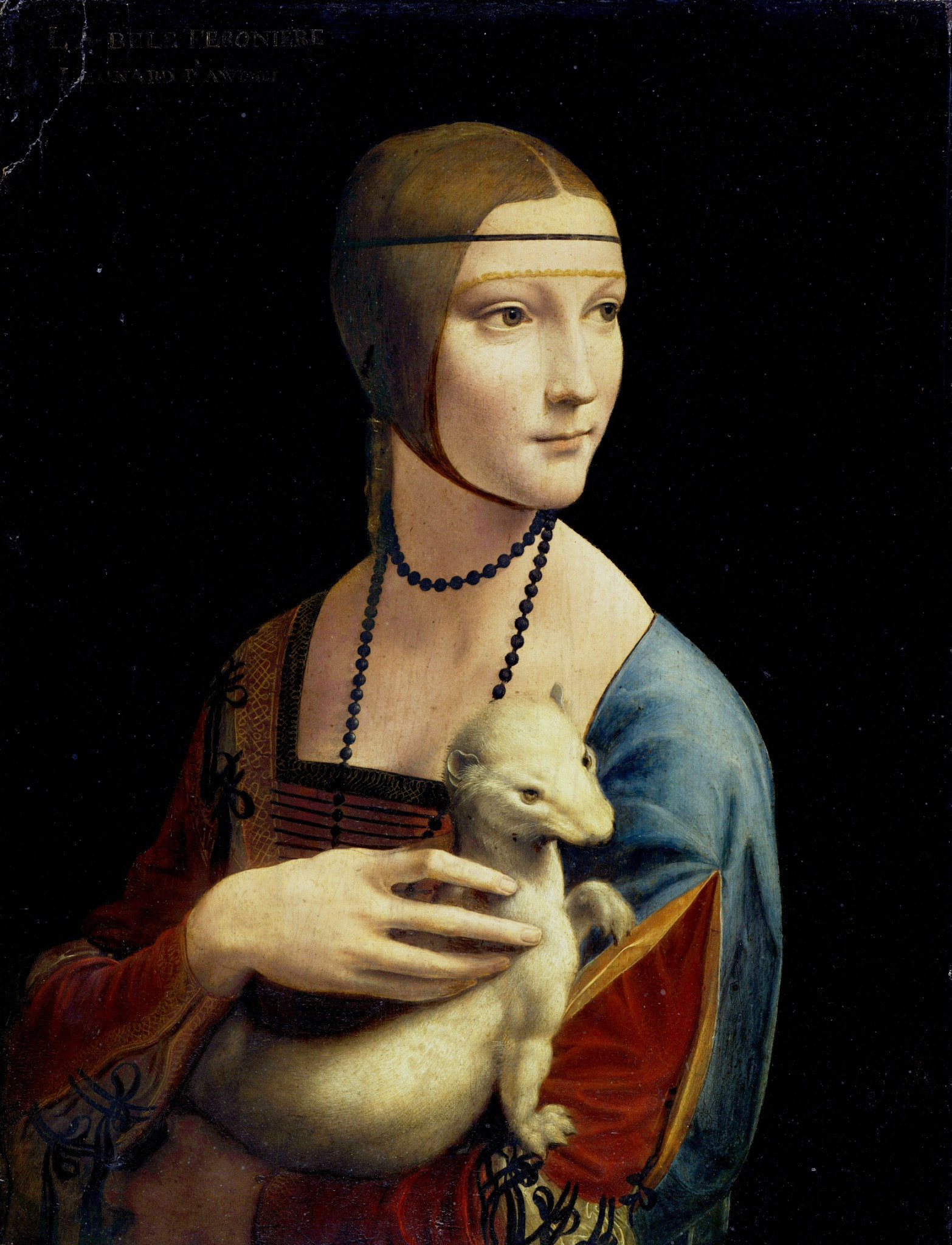
The sitter and the animal turn in the same direction, drawn towards something outside the frame.
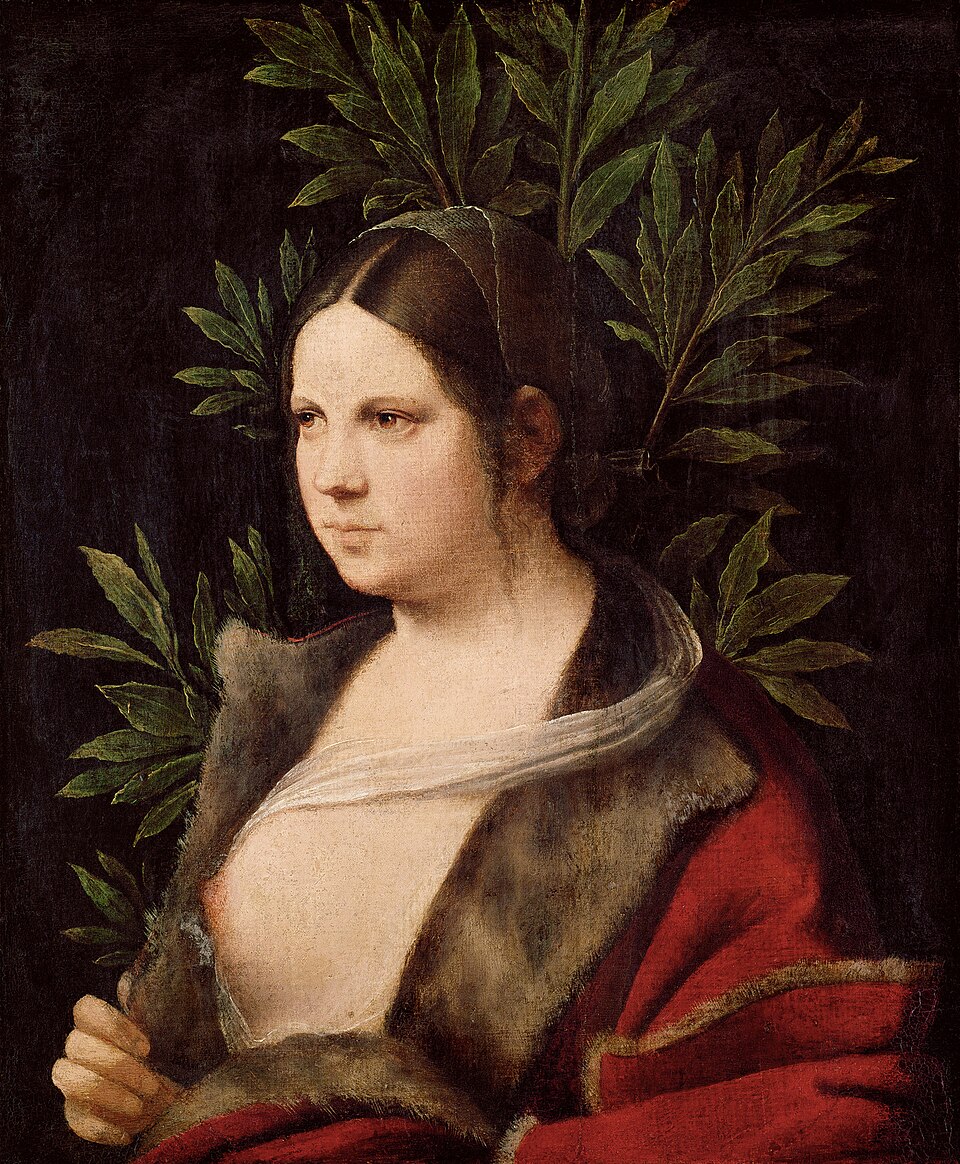
The gaze, slight turn and contrasting fabrics give the sitter a distinctive presence.
Look closely: What does the gaze suggest without telling us?
Movement may be suggested by wind, a suspended gesture or a sculpted spiral.
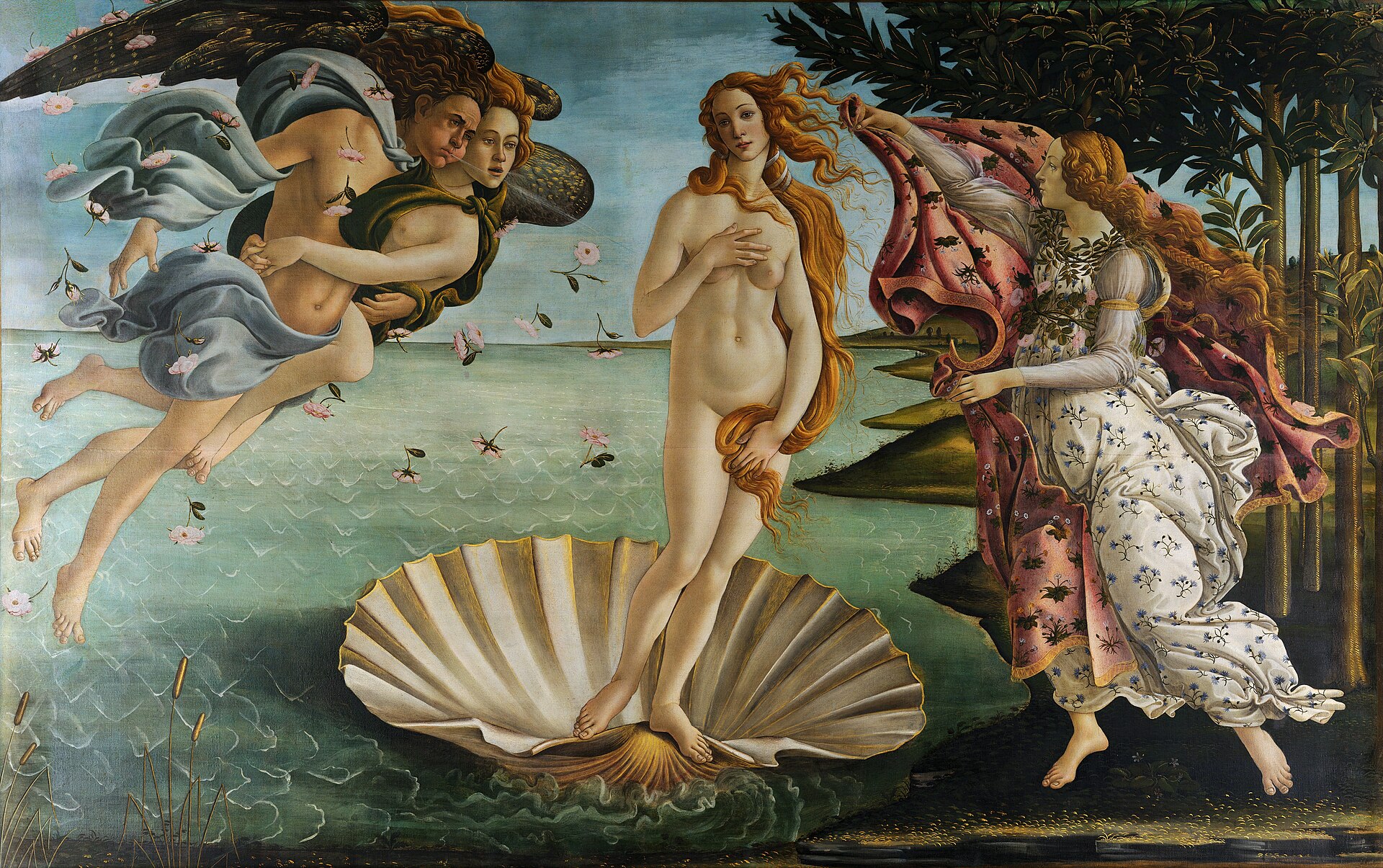
Hair, drapery and windborne figures animate an almost musical image.
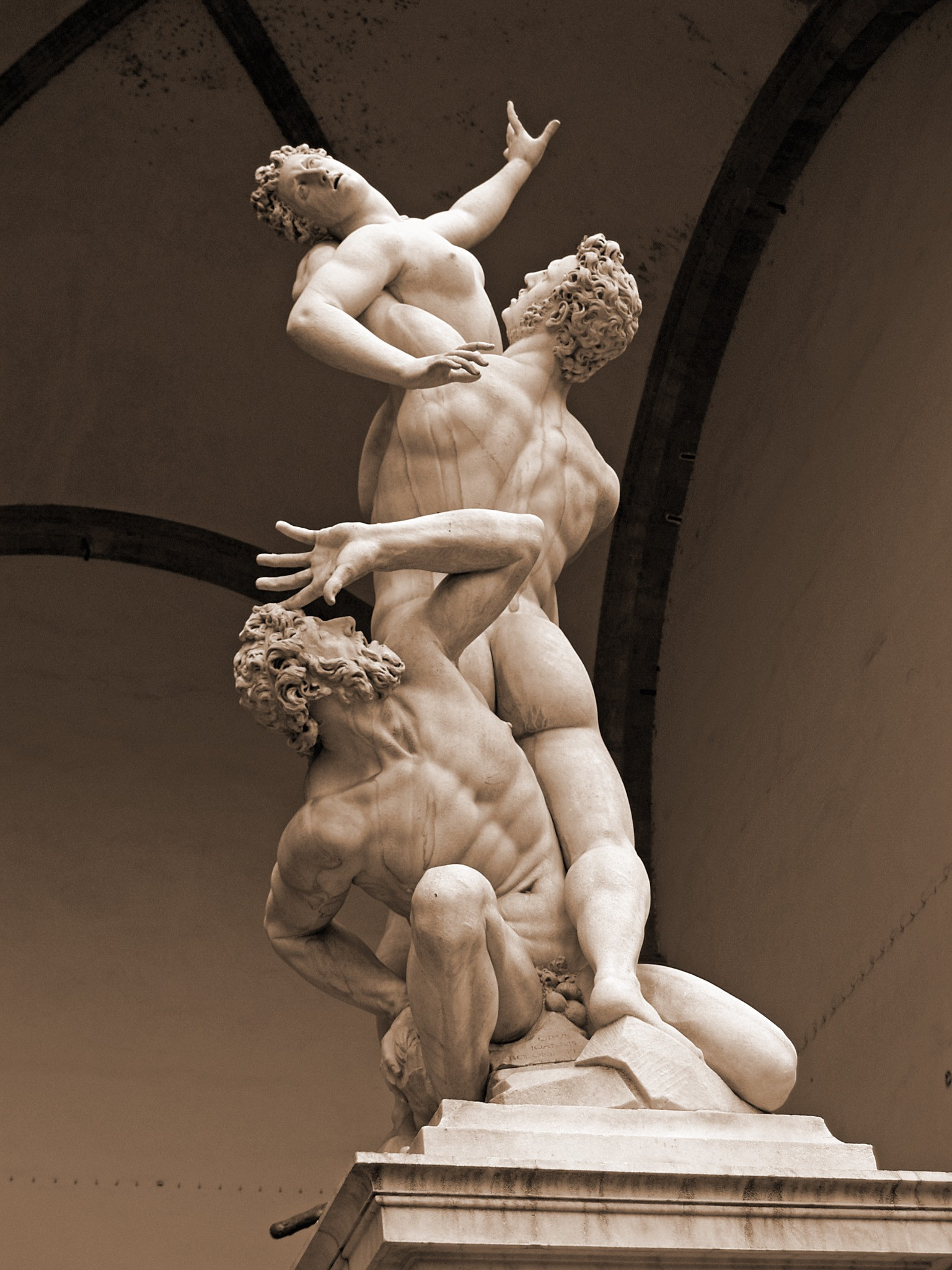
Three bodies spiral around an axis: the scene changes as we walk around the sculpture.
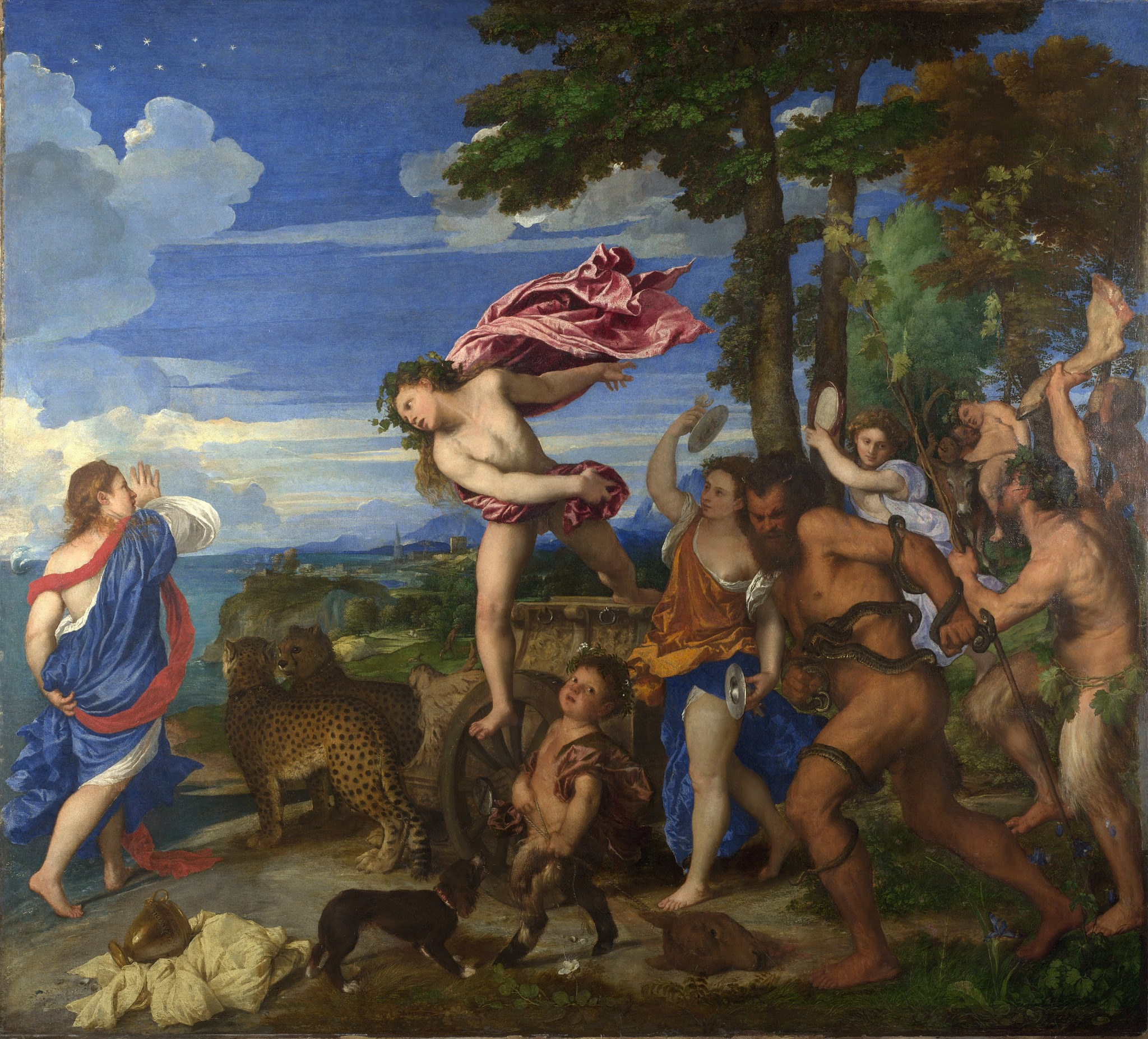
Bacchus’s leap and the moving procession capture the moment when everything changes.
Look closely: How can we see movement in a still image?
The eye travels between figures: the artwork becomes a living world.
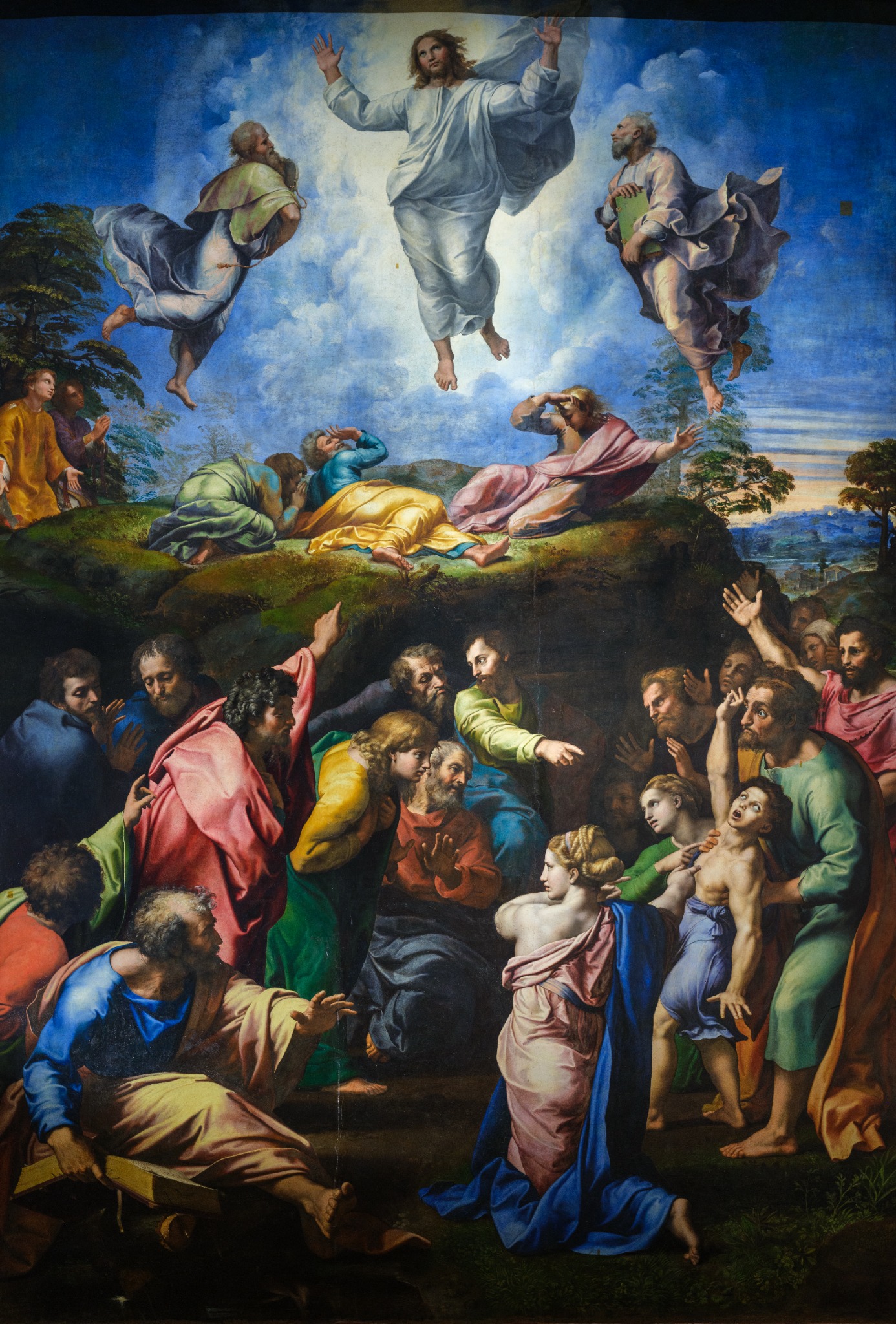
Above, a luminous revelation; below, urgent hands and gazes. Two scenes answer one another.
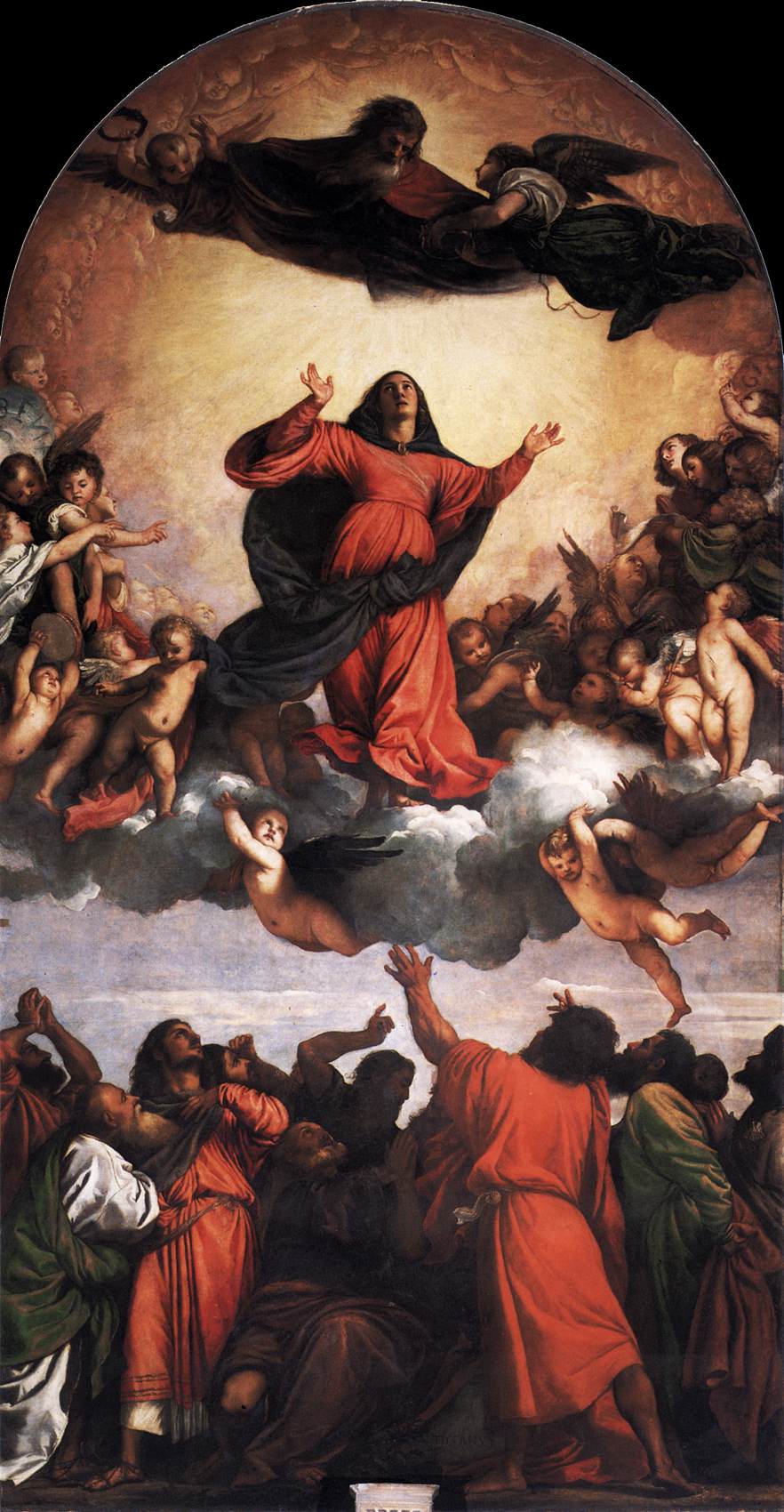
The apostles’ arms, the Virgin and the light carry the gaze upwards in one sweeping movement.
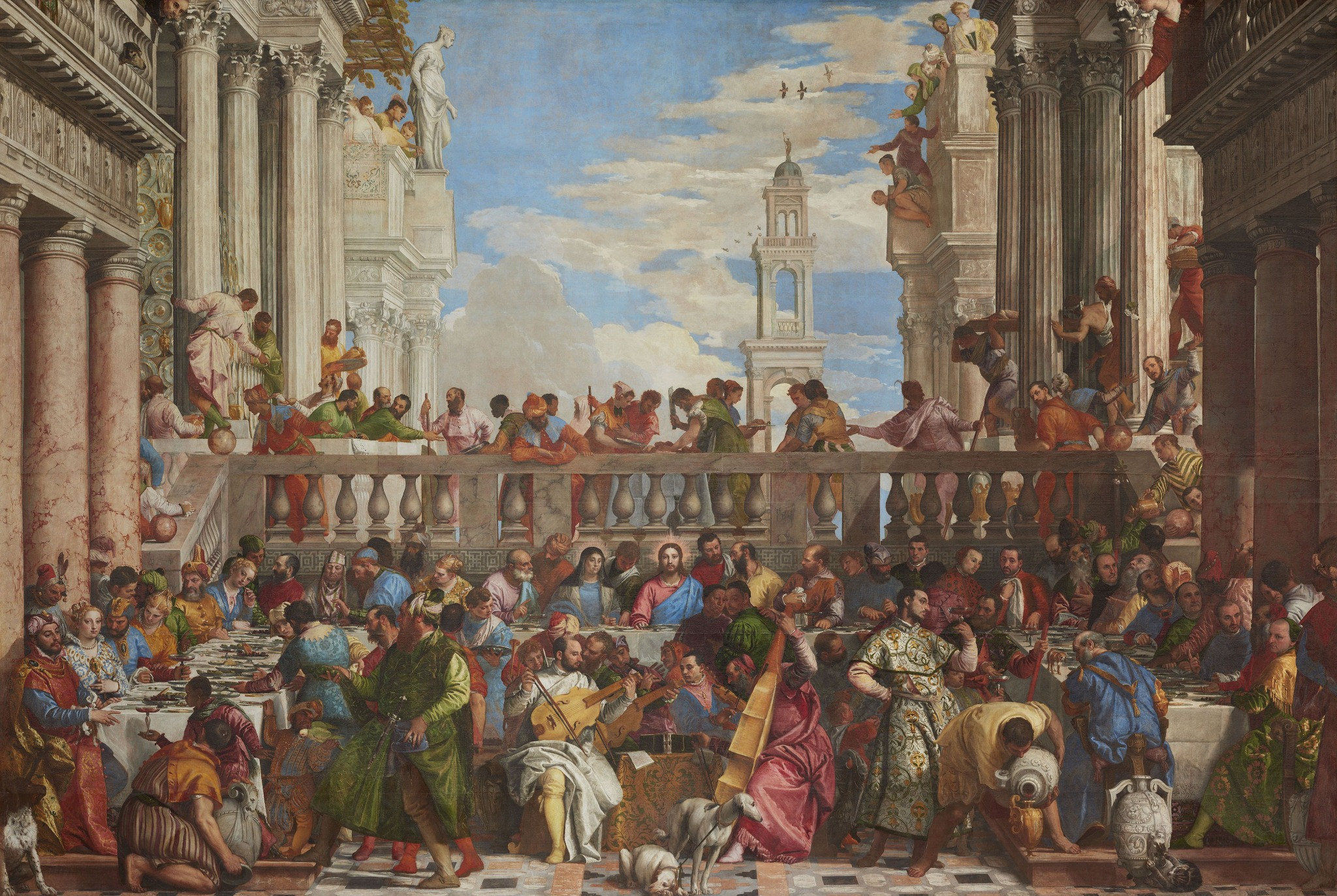
Across the banquet, figures exchange tiny gestures: the monumental composition remains full of life.
Look closely: Which figure draws your eye first, and why?