The Artists
One name, one work, one way of seeing.
Choose the artistic vision you want to explore.
A reading order based on artists’ first major contributions across all disciplines. Their careers overlap: this is not a ranking by date of birth.
19 artists to discover
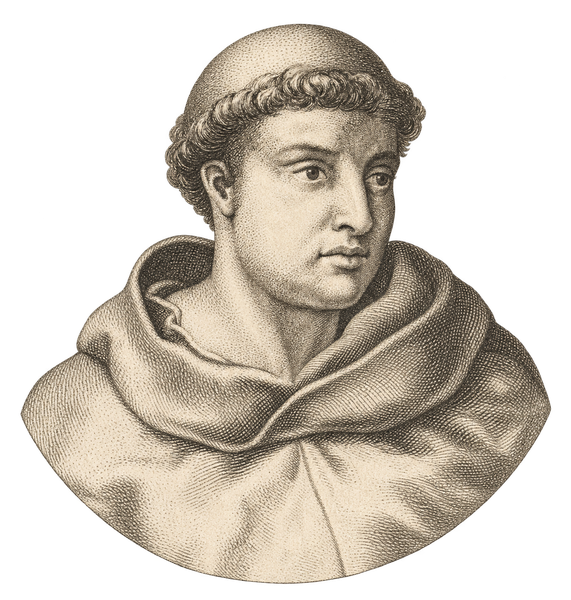
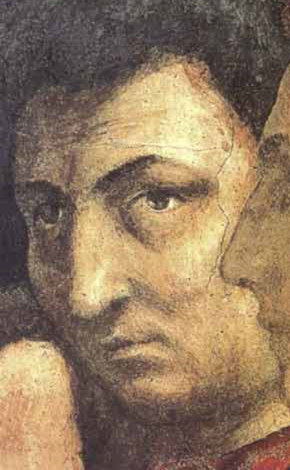
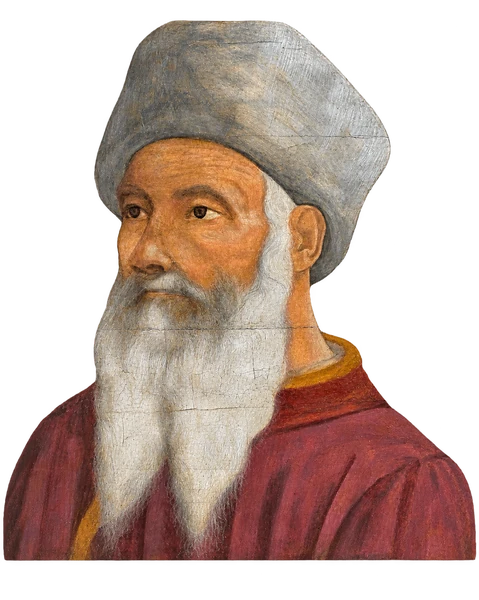
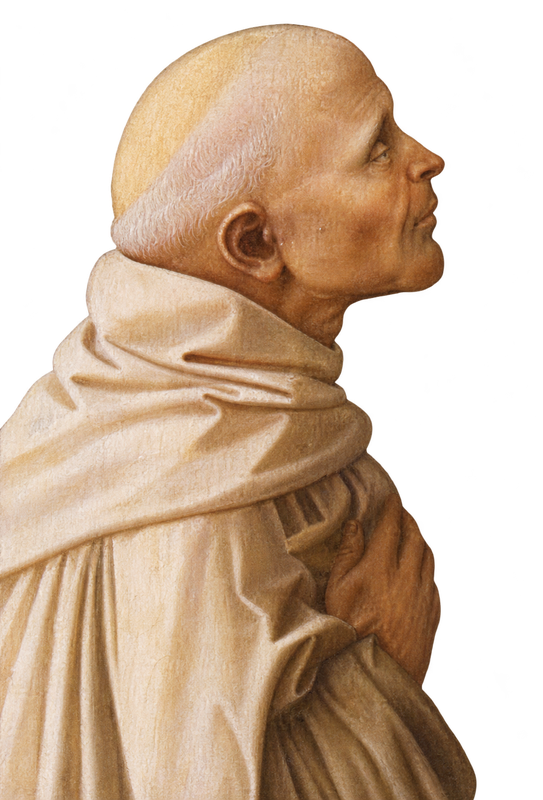
Painting
Fra Filippo Lippi
c. 1406 – 1469
A painter-monk who gave the figures of paradise the faces of everyday life.
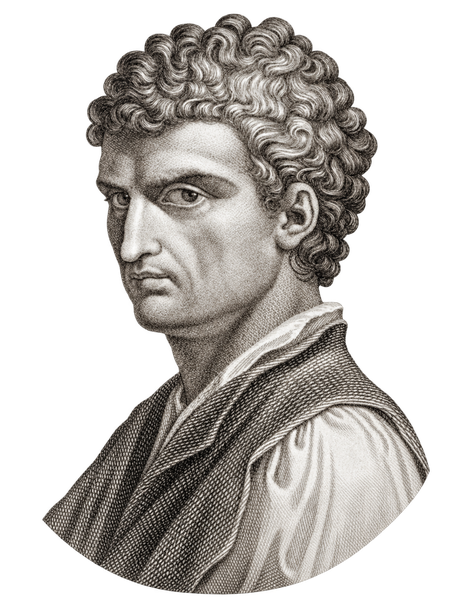
Architecture
Leon Battista Alberti
1404 – 1472
Antiquity becomes a language for invention.
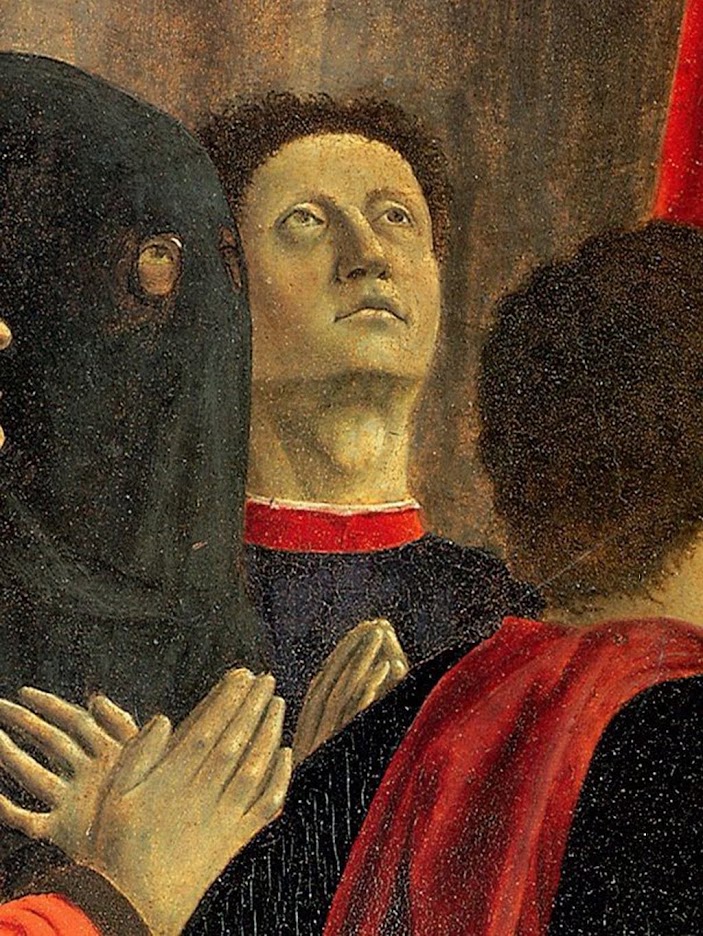
Painting
Piero della Francesca
c. 1415–1420 – 1492
A measured world, mysterious narratives.
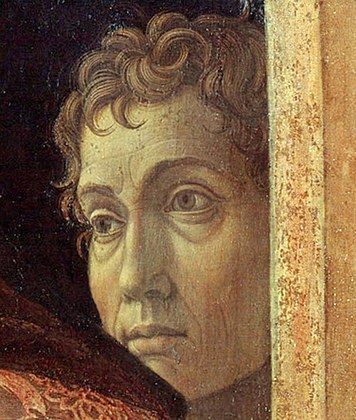
Painting
Andrea Mantegna
c. 1431 – 1506
Daring perspectives, sculptural figures and an Antiquity full of surprises.
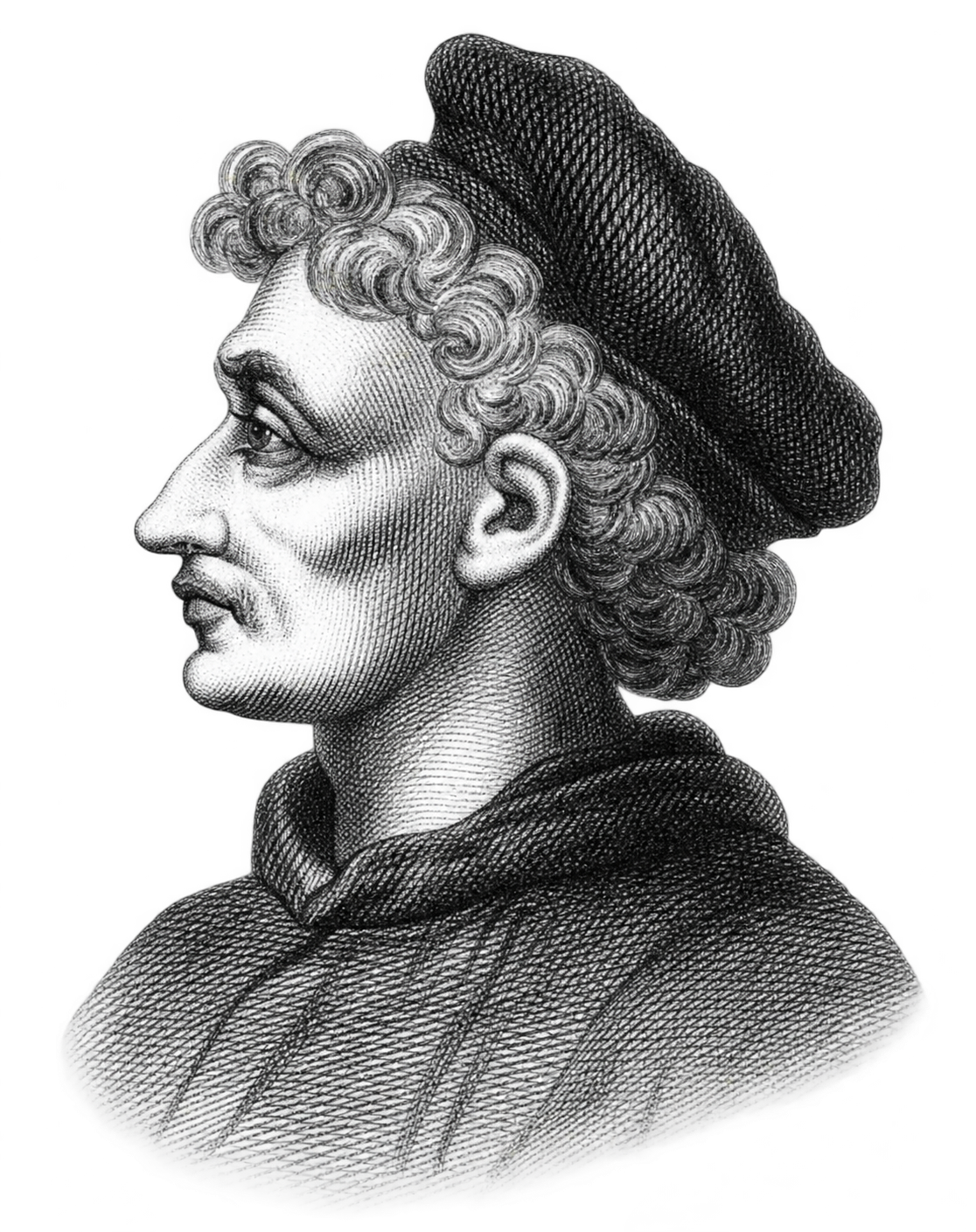
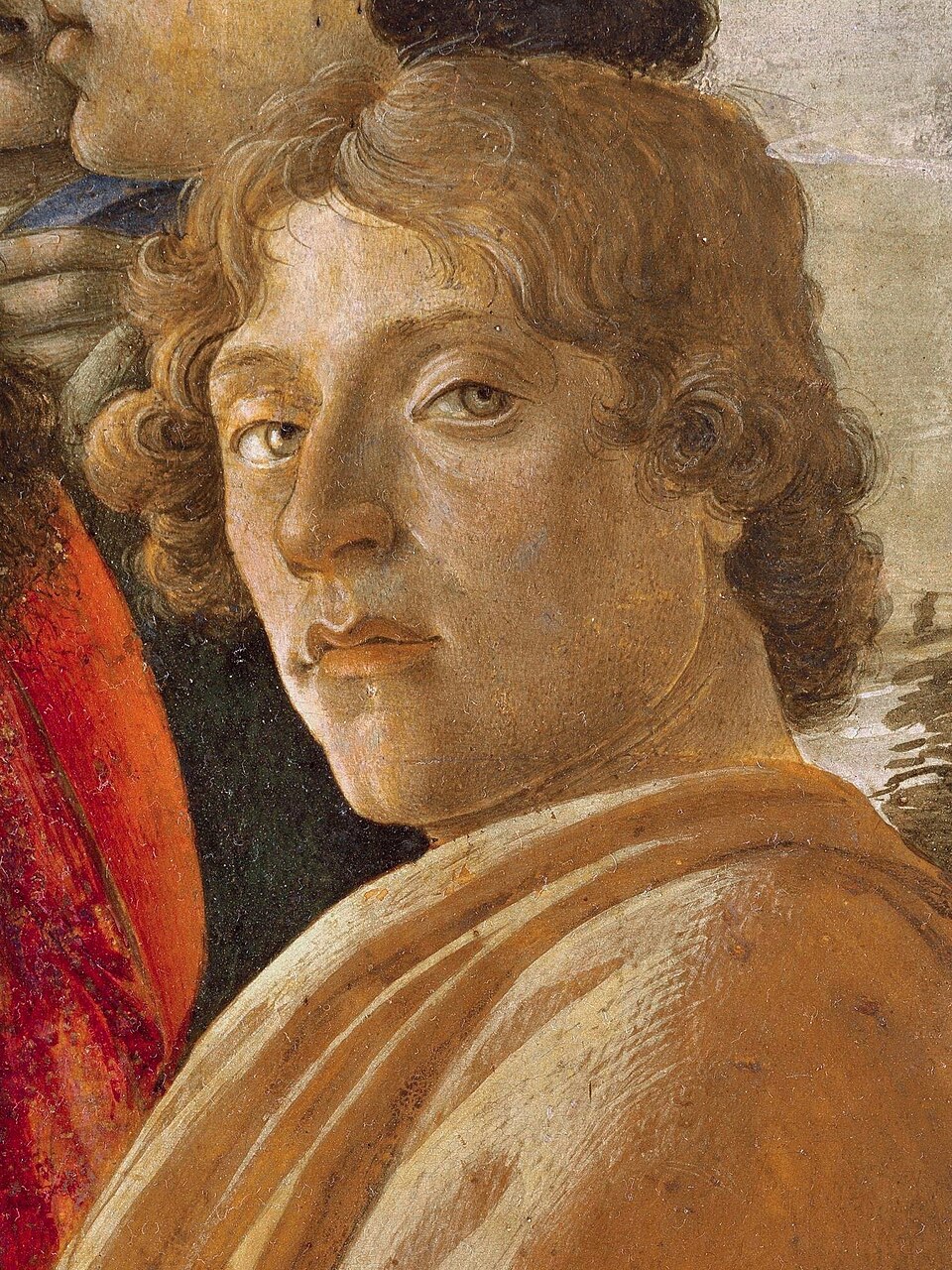
Painting
Sandro Botticelli
1445 – 1510
Lines that make bodies dance, between mythology, desire and power.
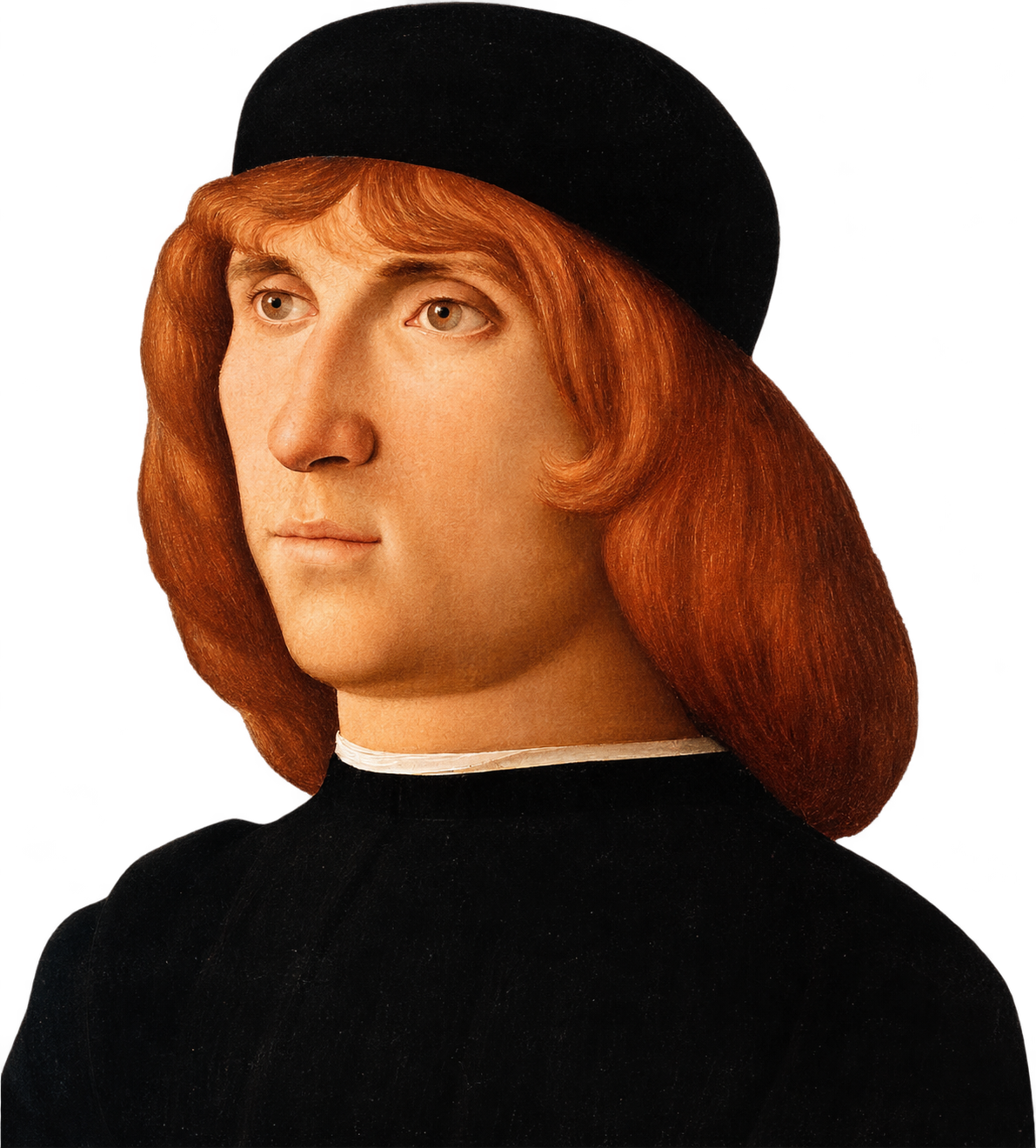
Painting
Giovanni Bellini
vers 1430–1516
In Venice, Giovanni Bellini turns light and colour into a language of emotion.
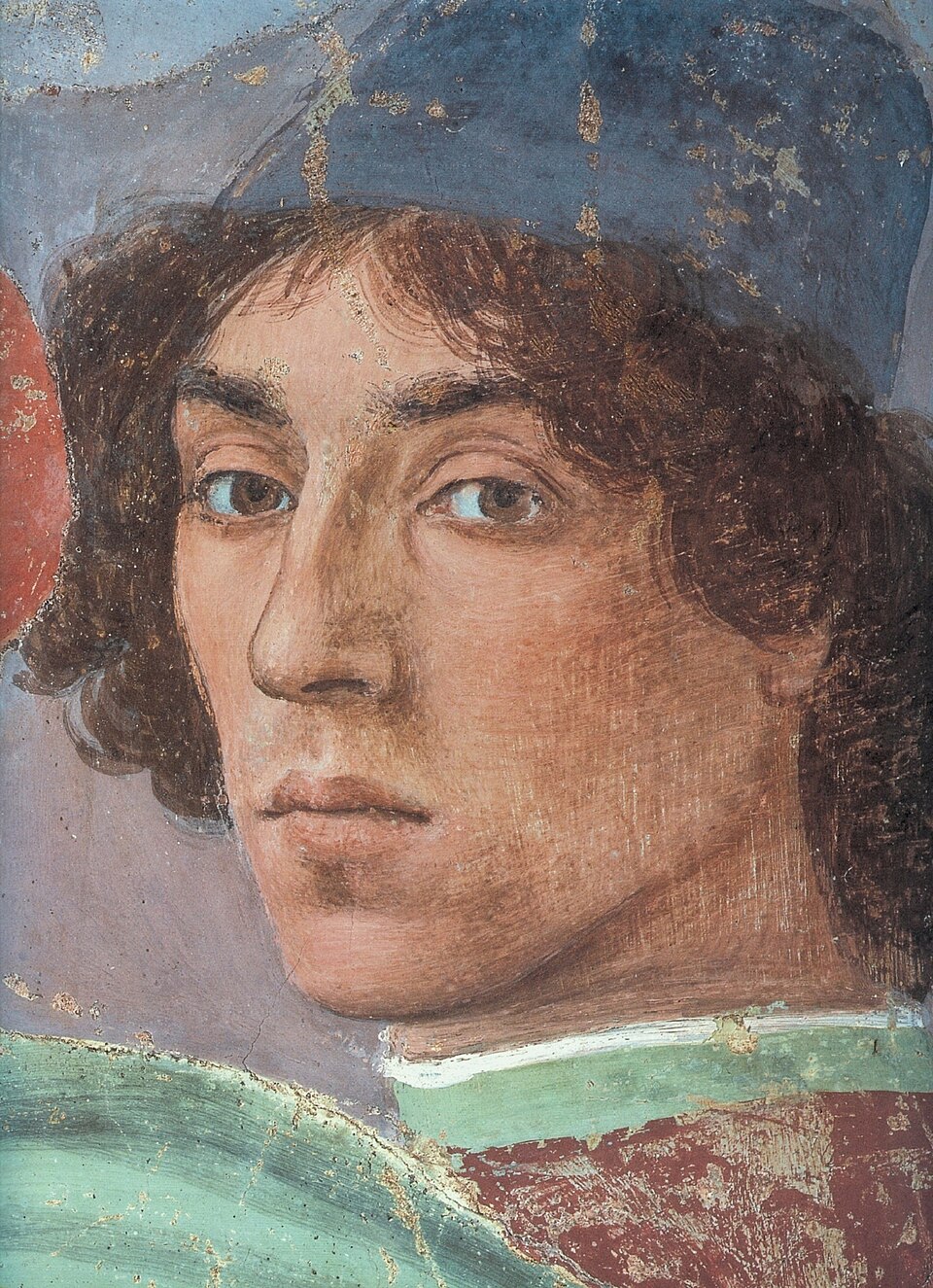
painting
Filippino Lippi
c. 1457–1504
A pupil of Botticelli, Filippino Lippi brought emotion, theatricality and fantasy into Florentine painting.
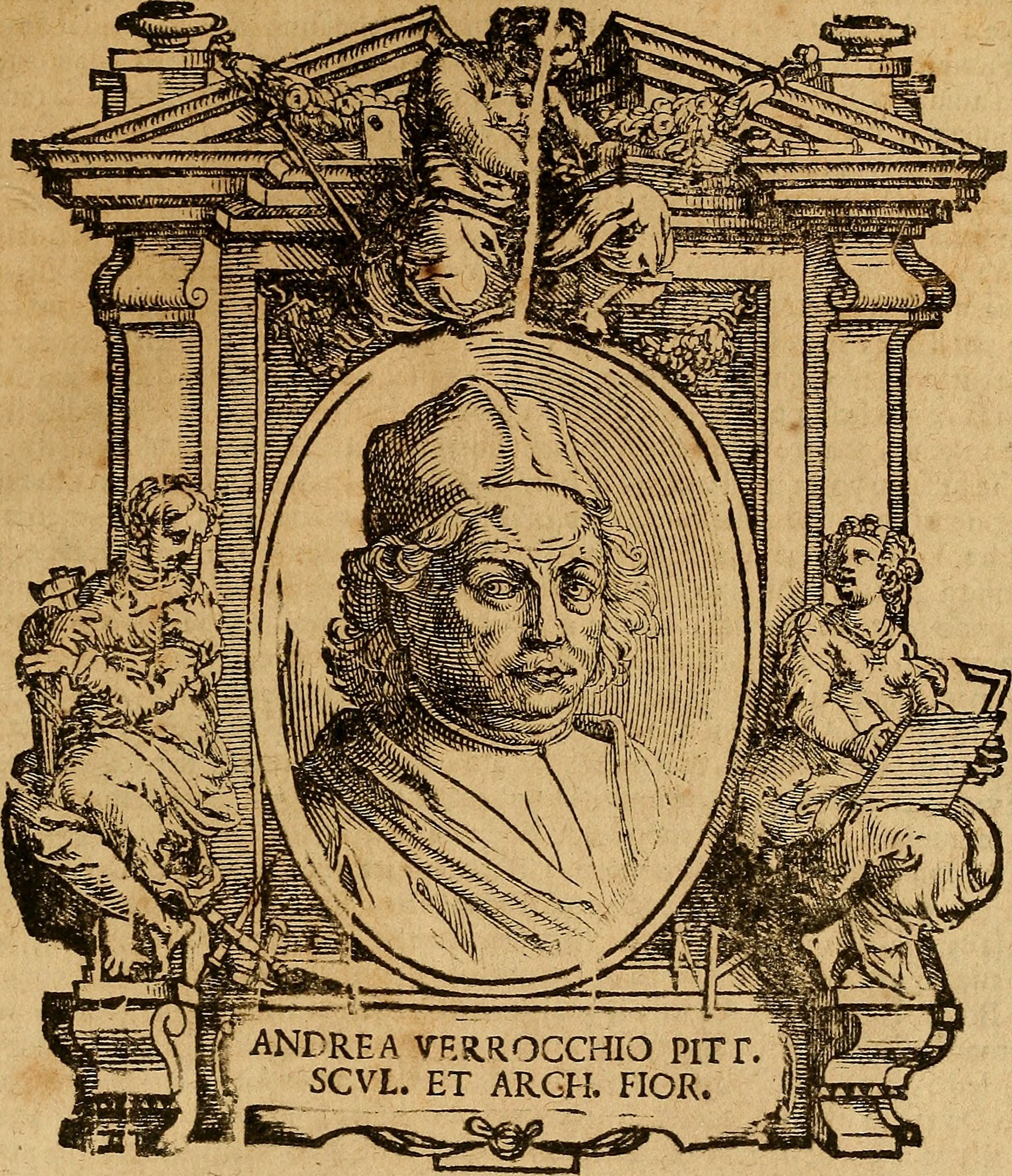
Painting
Andrea del Verrocchio
Vers 1435, Florence – 1488, Venise
« He brings bronze to life, makes gestures speak, and trains one of the greatest geniuses of the Renaissance. »
Painting
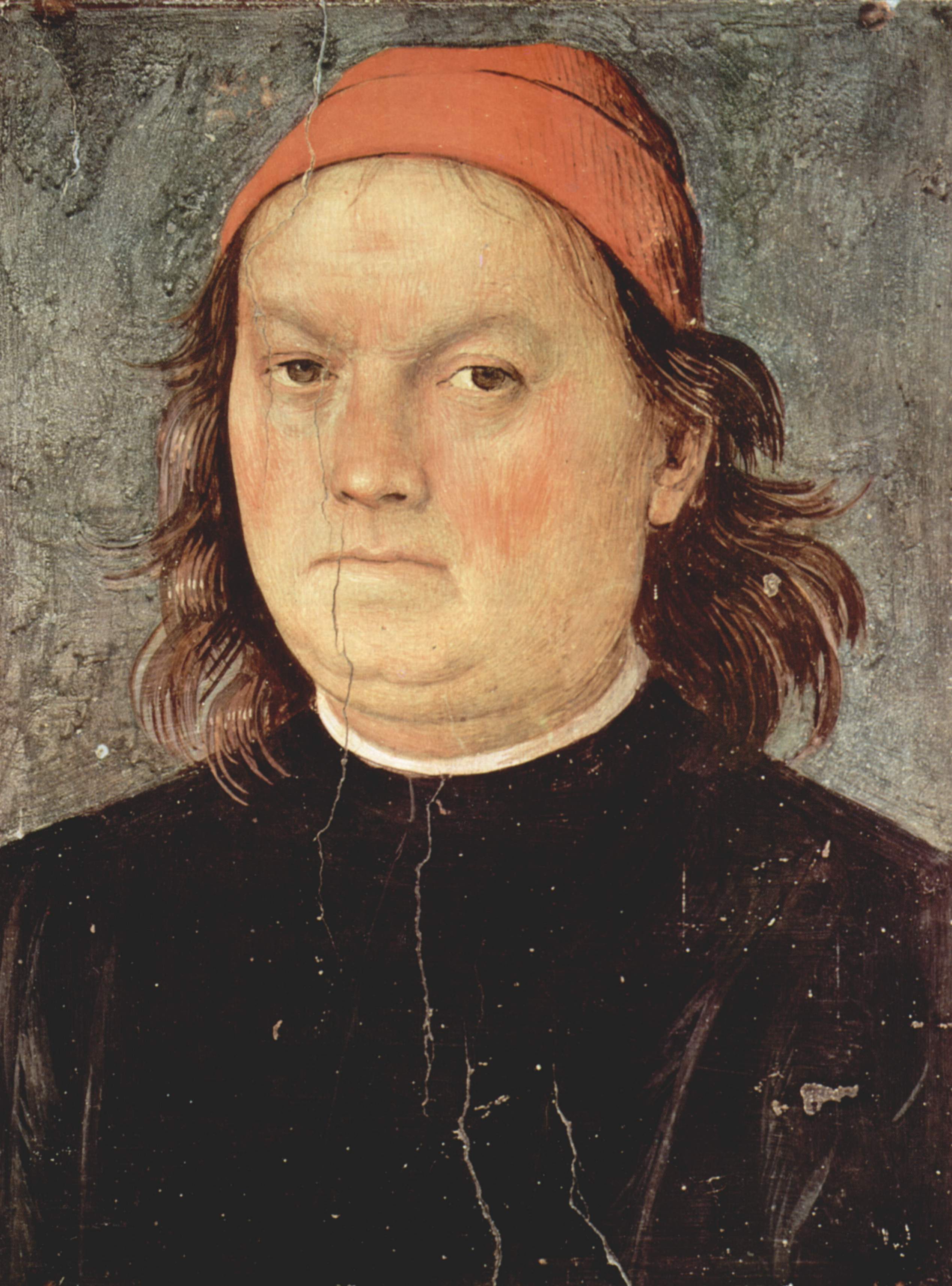
Pietro Vannucci, dit Le Pérugin
Vers 1450–1523
Measured gestures, serene faces and spacious landscapes: in Perugino’s paintings, everything seems to find its rightful place.
Painting
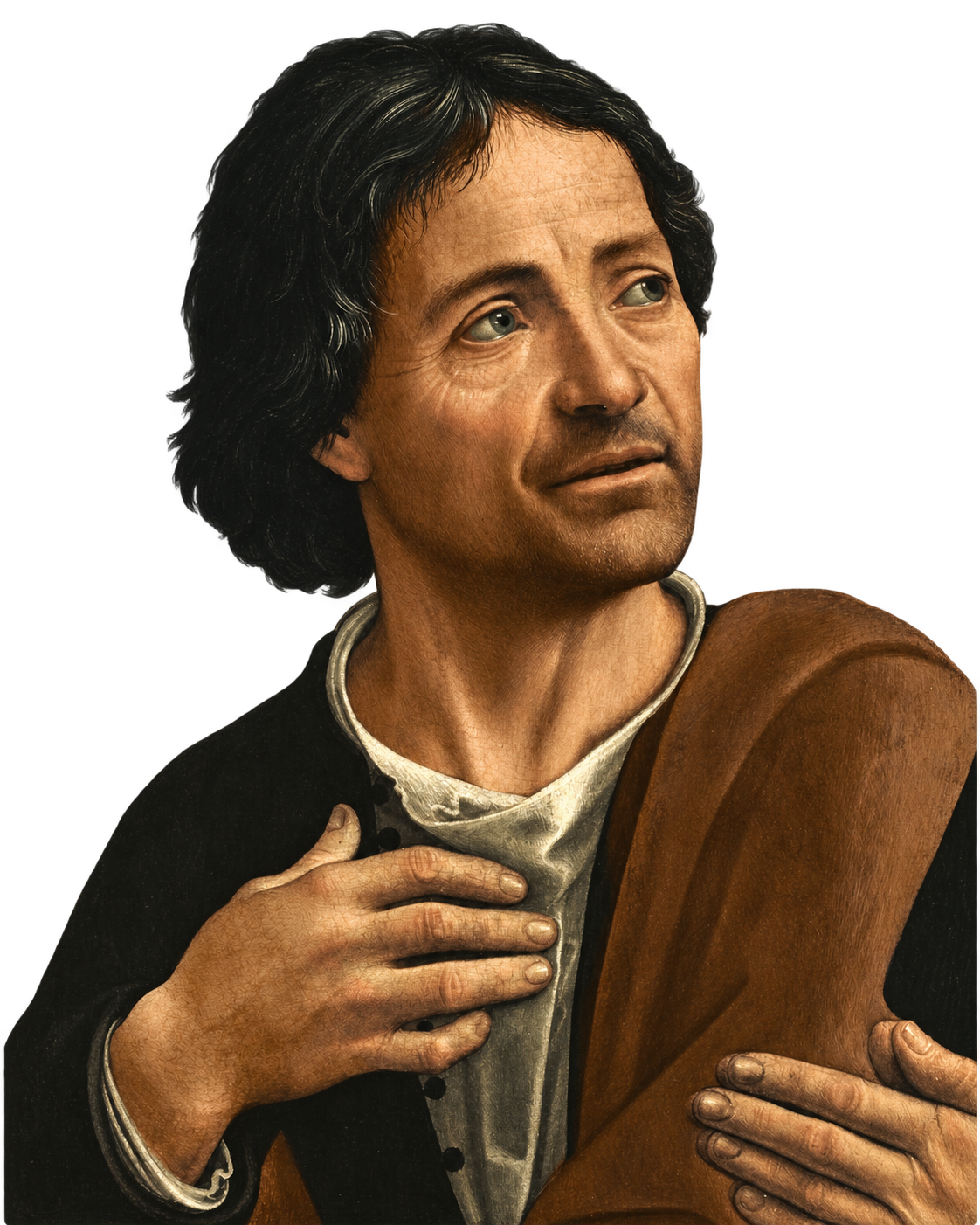
Domenico Ghirlandaio
1449–1494
A birth, a tragedy, a miracle, a glance: Ghirlandaio turns painting into storytelling and gives sacred stories the faces of his own time.
Painting
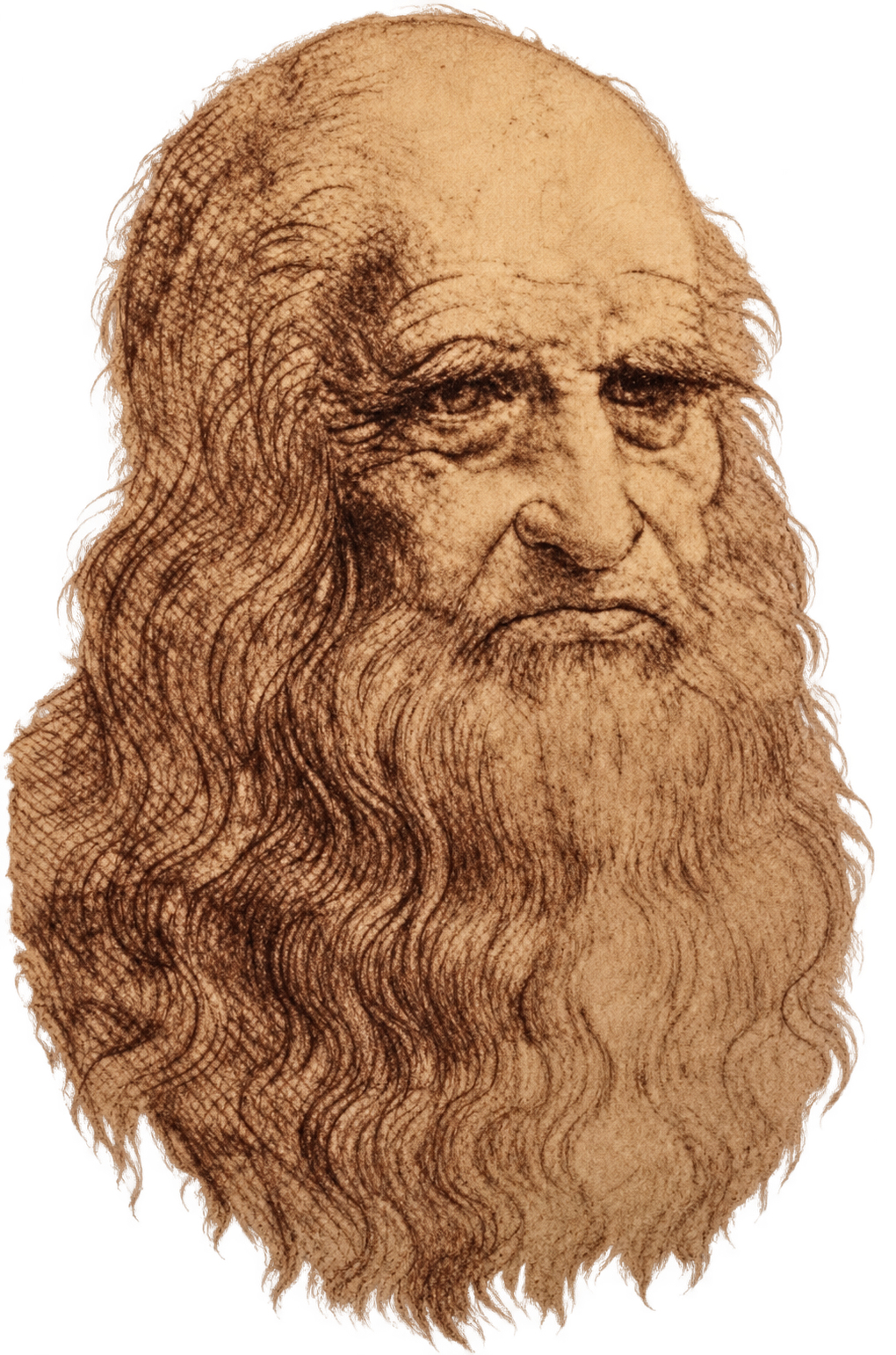
Léonard de Vinci
1452–1519
A turning face, a hesitant hand, an emotion spreading through a group: Leonardo observes the visible world to suggest an inner life.
No artists match your search
Try another name or change the discipline.
Images and credits are provided on the individual artist pages. Sources and image credits ↗