REGARDER L’ART · ARTISTS

Cimabue

Vers 1240–1302

When the sacred image begins to take physical form.

Cimabue does not break with medieval painting. He begins to transform it from within

Cimabue

In a few words

A Florentine painter of the late Middle Ages, Cimabue renews the Byzantine tradition by giving religious figures greater volume and expression. His work anticipates major changes in Italian painting, particularly those developed by Giotto.</p>

From the Byzantine tradition to Cimabue

Byzantine icon

A sacred image that makes the divine present
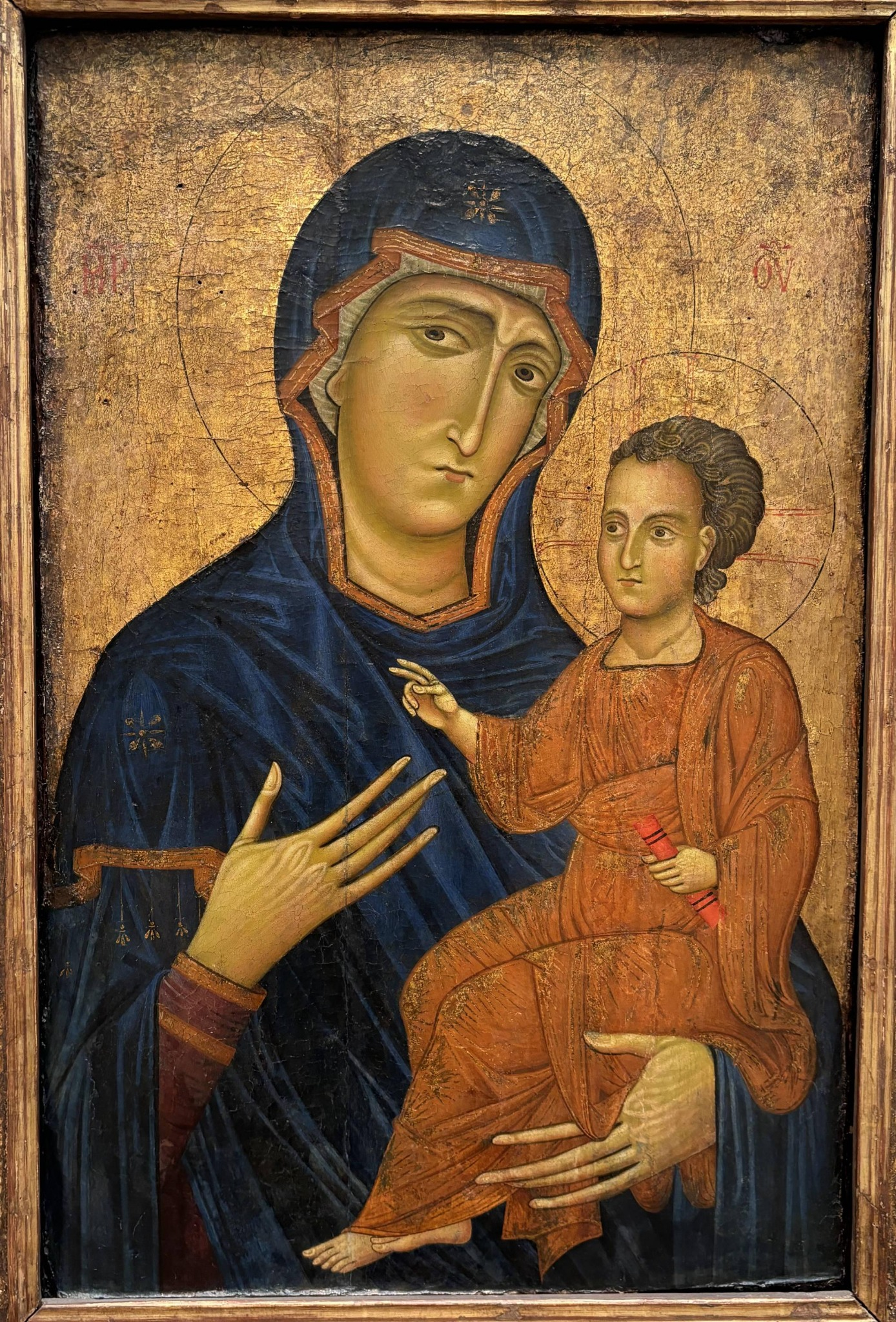
Byzantine icon

Virgin and Child

The Metropolitan Museum of Art · CC0 1.0 — domaine public
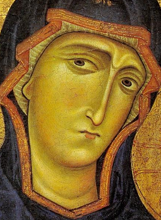
Face

Face

Frontal, solemn and governed by conventions: the gaze seems timeless.
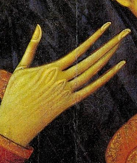
Gesture

Gesture

The elongated hand makes a symbolic rather than spontaneous gesture.
Gold background

Gold background

It evokes a sacred space, outside time and without natural depth.

An icon is more than a representation. Its primary purpose is not to resemble a real person. It makes the sacred present and allows a relationship with it: presence, eternity and spirituality take precedence over realism and perspective.
Cimabue

The sacred image begins to take physical form

Cimabue

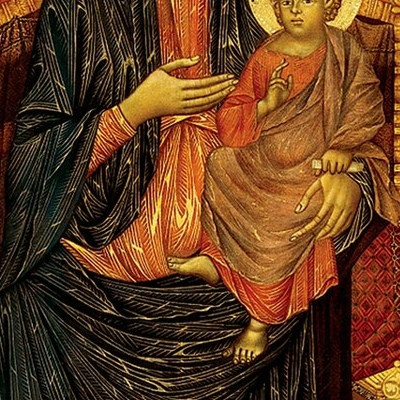
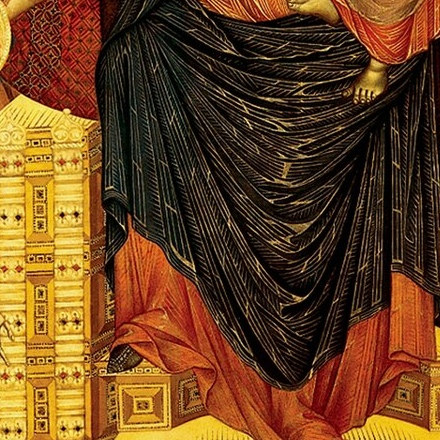
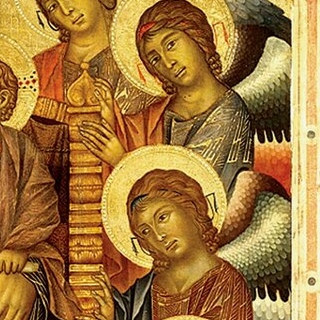
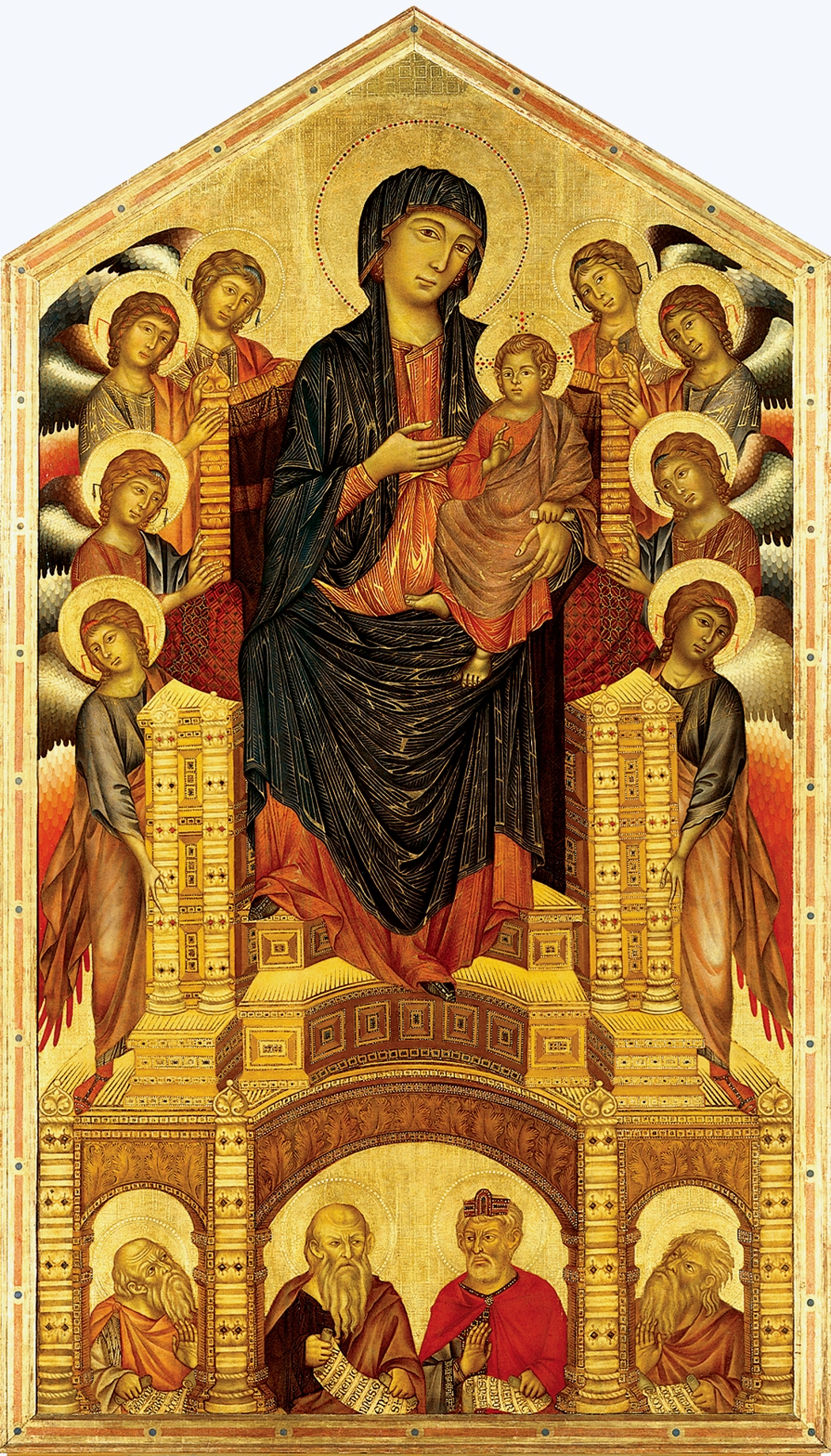
Santa Trinita Maestà, c. 1290–1300 — Uffizi Gallery, Florence.

Reproduction via Wikimedia Commons — auteur photographique non précisé · Domaine public — PD-Art / Public Domain Mark 1.0
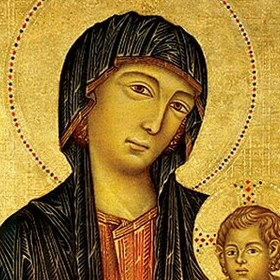
Face

Face

More modelling, less abstraction: the figure gains a human presence.

Body

Body

We sense more volume beneath the clothing: the Virgin has physical weight.

Throne

Throne

It attempts to create space and depth, beyond a flat background.

Angels

Angels

Still arranged one above another, they begin to be organised around a shared space.

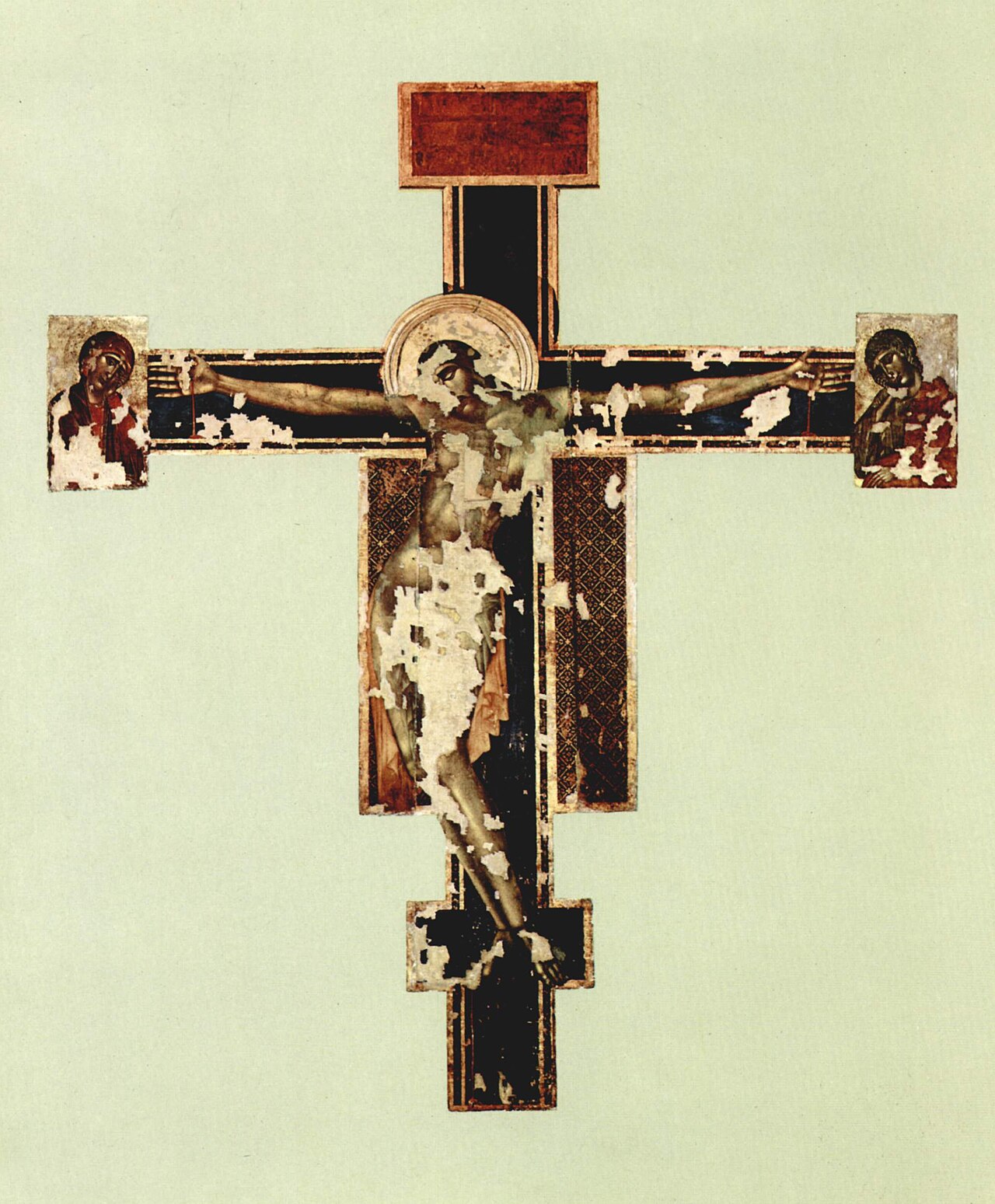
Bodies and action become more tangible

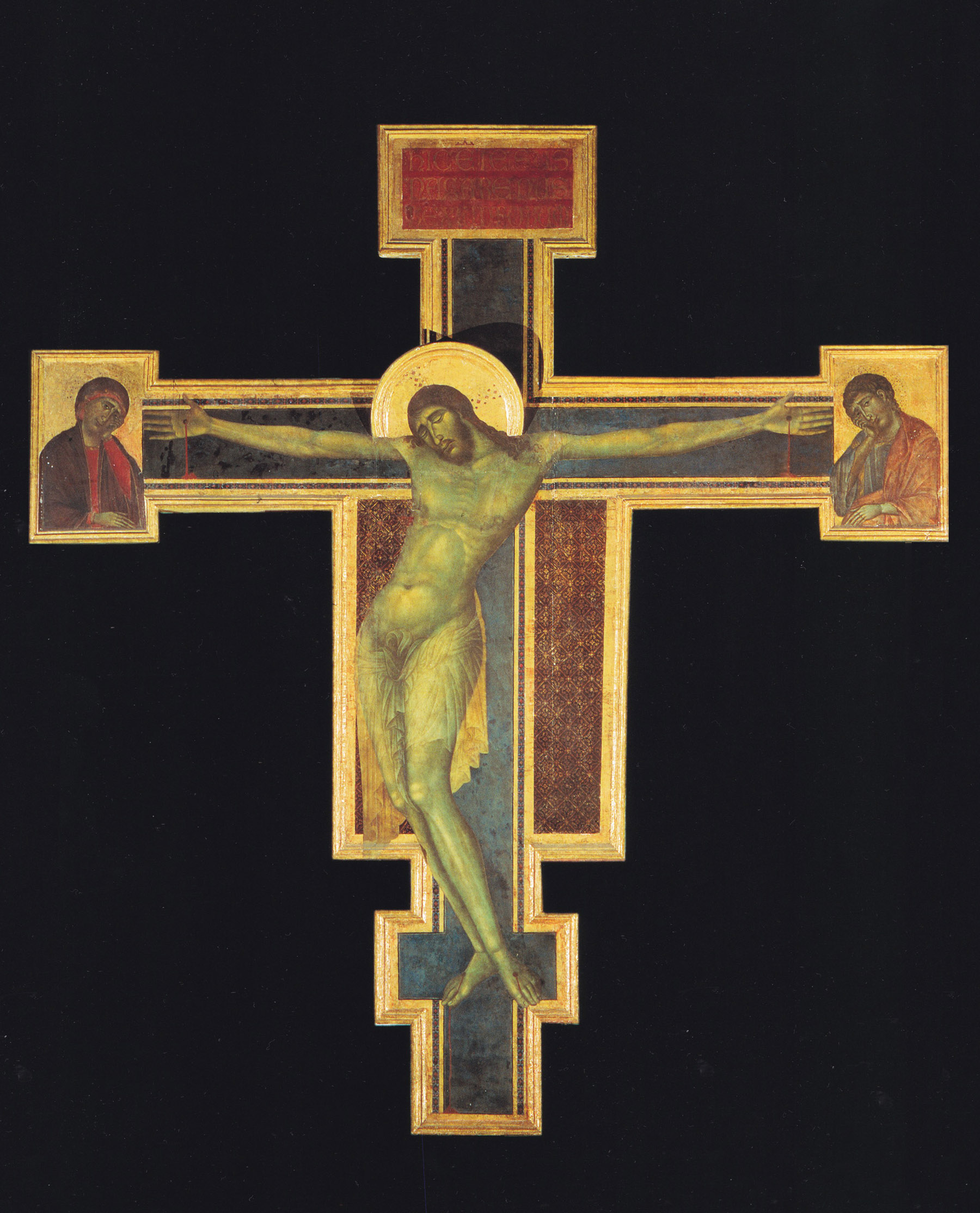
Santa Croce Crucifix

Before 1288 — Santa Croce, Florence. The source artwork is shown unchanged.

Ismoon · CC BY-SA 4.0

Santa Croce Crucifix

  • Face : Suffering becomes more visible and expressive.
  • Body : The body has weight, it sags, and its modelling becomes more evident.
  • Pose : It appears less abstract and more human.
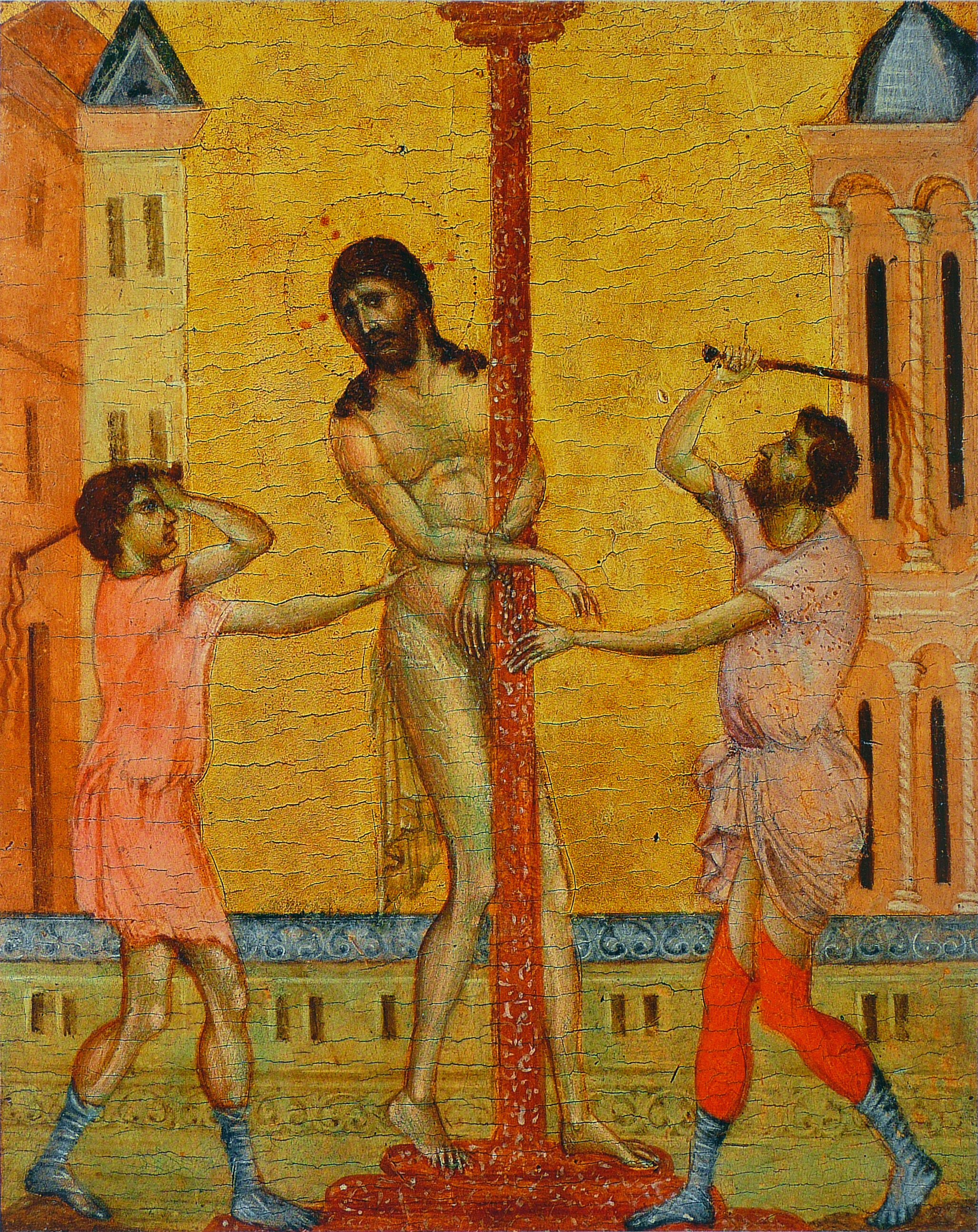
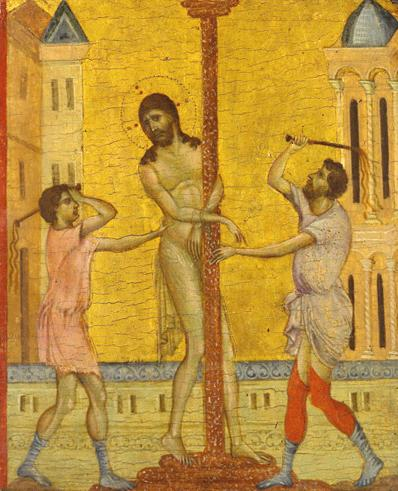
The Flagellation of Christ

Attributed to Cimabue.

The Flagellation of Christ

  • Body : Christ’s body is modelled and slightly turned: suffering becomes physical.
  • Gestures :The executioners’ raised arms make the action immediately readable and expressive.
  • Space : The architecture suggests a setting, although the gold background remains dominant.

How to recognise Cimabue?

Bodies gaining volume

Bodies gaining volume

We sense more volume beneath the clothing: the Virgin has physical weight.

More tangible suffering

More tangible suffering

The body has weight: it sags, and its modelling becomes more evident.

Action that is immediately readable

Action that is immediately readable

The executioners’ raised arms make the action immediately readable and expressive.

Key takeaways

The image retains its sacred power, while the figures gain volume, weight and human presence.

Poursuivre la découverte

Pour aller plus loin