Filippino Lippi
vers 1457–1504
A pupil of Botticelli and heir to Masaccio’s legacy, Filippino Lippi brings a sense of unease and fantasy to the Florentine Renaissance.
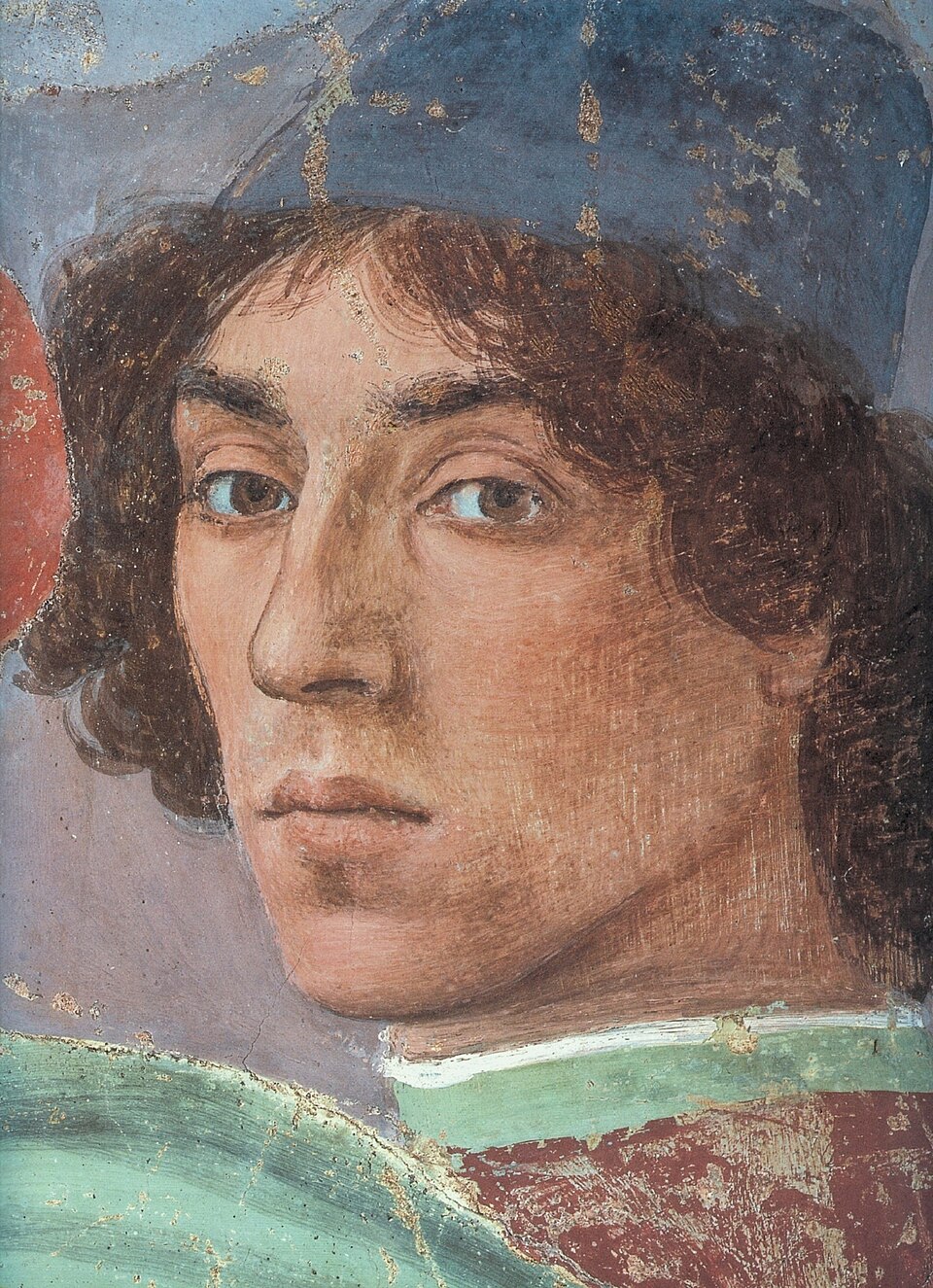
In a few words
Born around 1457, Filippino Lippi was the son of the painter Fra Filippo Lippi. Trained in Botticelli’s workshop, he helped complete the frescoes of the Brancacci Chapel, begun by Masaccio. But he soon developed his own distinctive style: expressive figures, richly detailed settings and unusual architecture. By the end of the 15th century, his paintings revealed a less serene, more unsettling and theatrical side of the Renaissance.
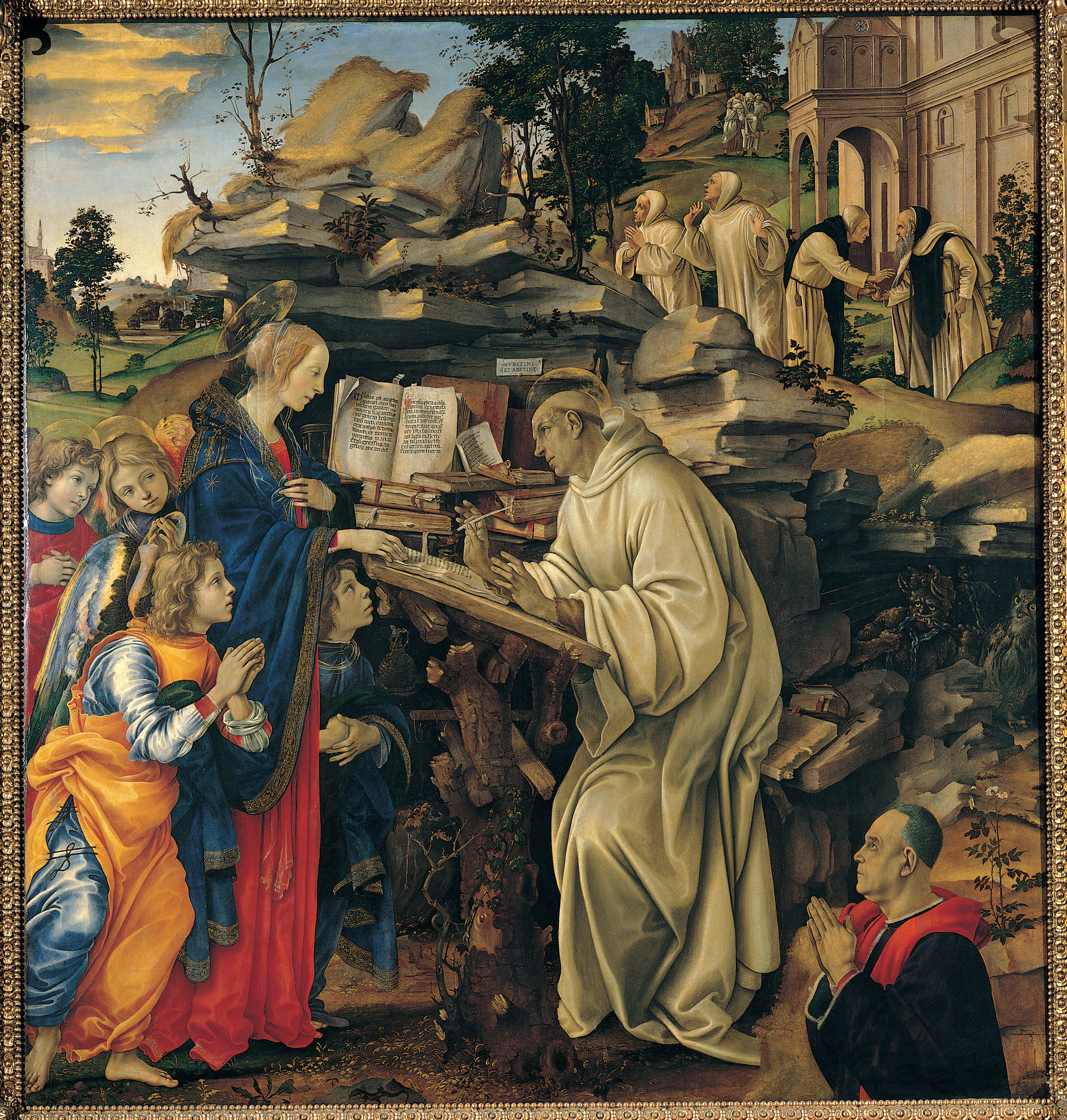
The Apparition of the Virgin to Saint Bernard
Reproduction fidèle d’une œuvre du domaine public — photographe non identifié · Domaine public — Public Domain Mark 1.0 (PD-Art)
Look closely
Look at the delicacy of the gestures and the closeness of the faces. The Virgin appears surrounded by angels, yet the scene feels almost intimate. Filippino transforms a miraculous vision into an encounter filled with tenderness and emotion.
Understanding
Filippino transforms a miraculous vision into an encounter filled with tenderness and emotion.

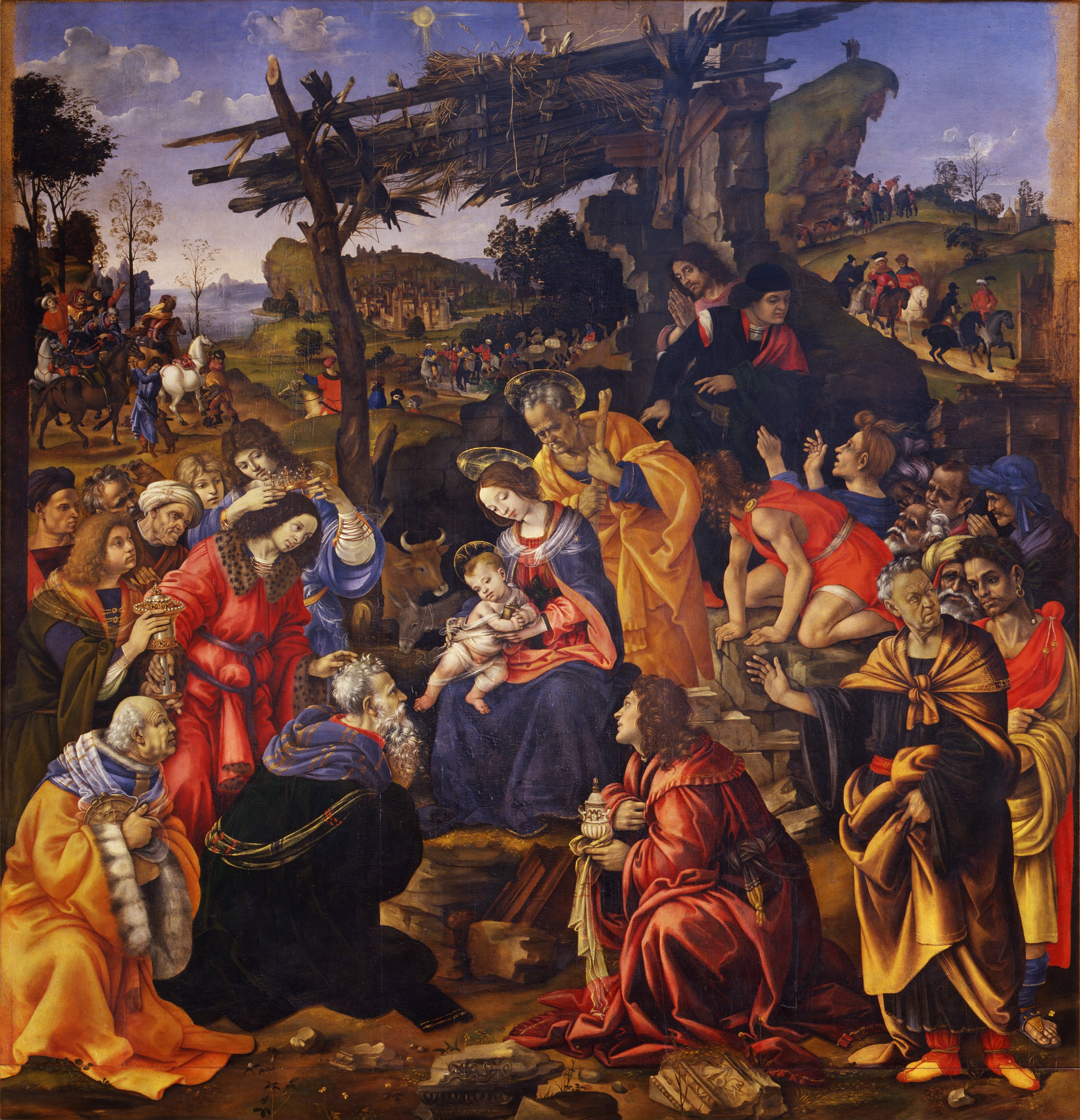
The Adoration of the Magi
Google Arts & Culture — reproduction photographique · Domaine public — Public Domain Mark 1.0 (PD-Art)
Look closely
The eye wanders through the crowd: kneeling figures, horses, conversations and small scenes in the background. Yet everything draws the viewer’s attention towards the Christ Child.
Understanding
Filippino transforms a biblical episode into a vivid spectacle where the sacred meets the human world.

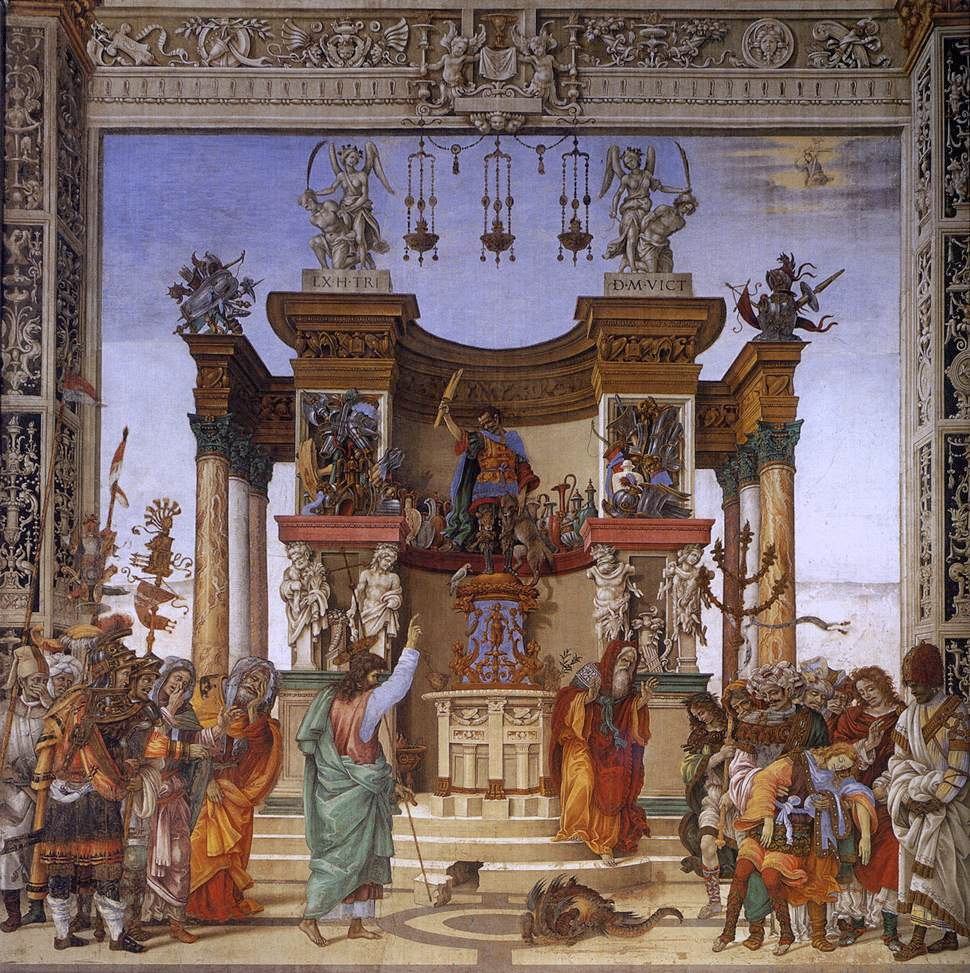
Saint Philip and the Dragon
Photographe non identifié — Wikimedia Commons · Domaine public indiqué sur Wikimedia Commons — auteur de la photographie non identifié
Look closely
Observe the classical architecture, the statues and the agitated figures. Amid this spectacular setting, a dragon emerges from the temple.
Understanding
Filippino combines references to classical antiquity, religious storytelling and fantastical imagination: the Renaissance becomes a true theatrical spectacle.
Leonardo and Filippino: One Commission, Two Destinies
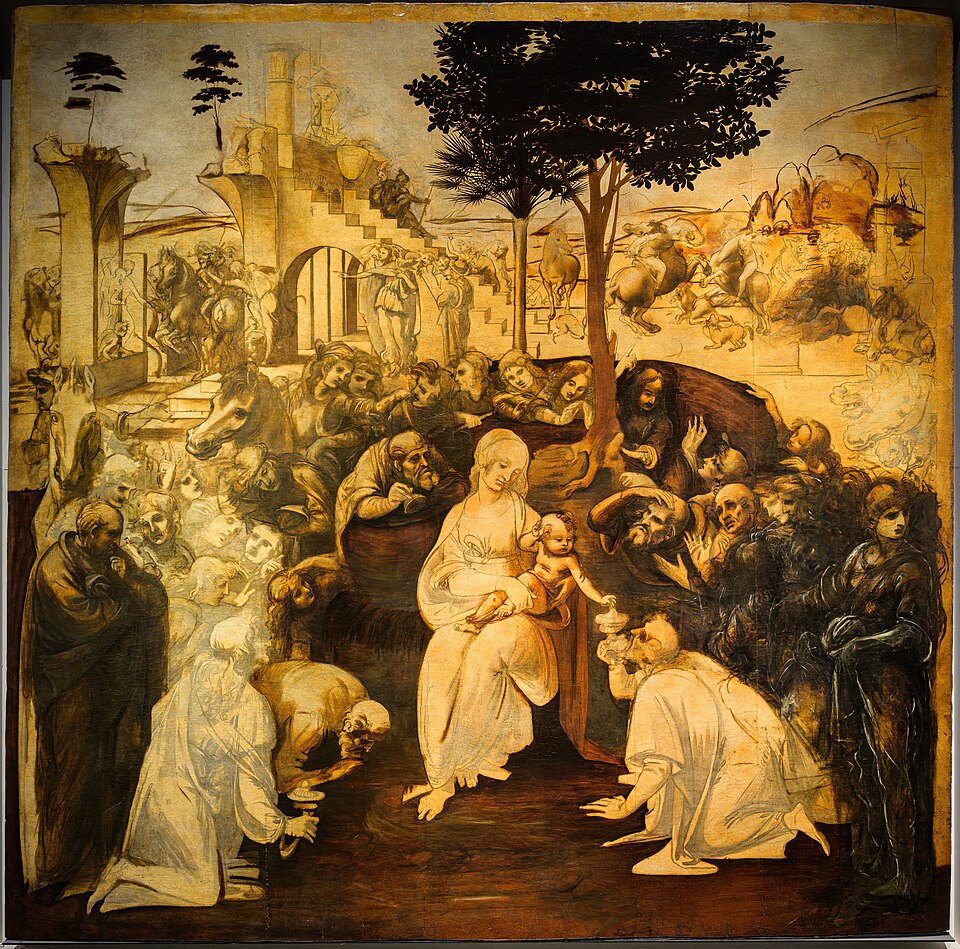
The figures emerge from the shadows, gestures intertwine, and the composition seems to be still taking shape.
The scene is rich in colour, costumes and intricate details. It is brighter and arranged around the Christ Child.
Two Visions of the Same Subject:
Leonardo leaves his Adoration of the Magi unfinished in 1481.
Filippino takes over the commission and completes his painting in 1496.
Leonardo explores movement, while Filippino focuses on storytelling.
Look closely
Two Visions of the Same Subject: Leonardo explores movement, while Filippino focuses on storytelling.
Understanding
Two Works, Two Approaches: one reveals the artist’s creative process, while the other presents a finished composition.
How to recognise Filippino Lippi?

Expressive and Delicate Faces
His figures have intense gazes, finely drawn faces and subtle gestures. They seem filled with inner em
Rich, Detailed Compositions
Filippino loves filling his paintings with figures, movement and small secondary scenes. The viewer’s eye is constantly drawn from one detail to another.
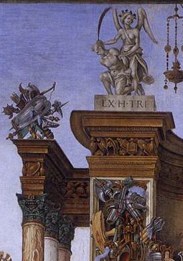
Almost Fantastical Classical Settings
Columns, statues, ornaments and imaginary architecture fill his scenes. Antiquity becomes a spectacular, sometimes unsettling backdrop.
A Dramatic and Dynamic Renaissance
While other artists seek balance and serenity, Filippino favours animated poses, swirling draperies and scenes filled with tension.
Key takeaways
Filippino Lippi inherits Botticelli’s grace but develops a world of his own: expressive faces, richly detailed compositions and classical settings that sometimes seem almost fantastical.
In his work, the Renaissance becomes more theatrical, more dynamic and, at times, even unsettling.
With Filippino Lippi, beauty alone is no longer enough: painting also seeks to surprise, to move and to tell stories.
Poursuivre la découverte
Recapturing the Grace of His Master.
Discovering the Legacy of the Brancacci Chapel.