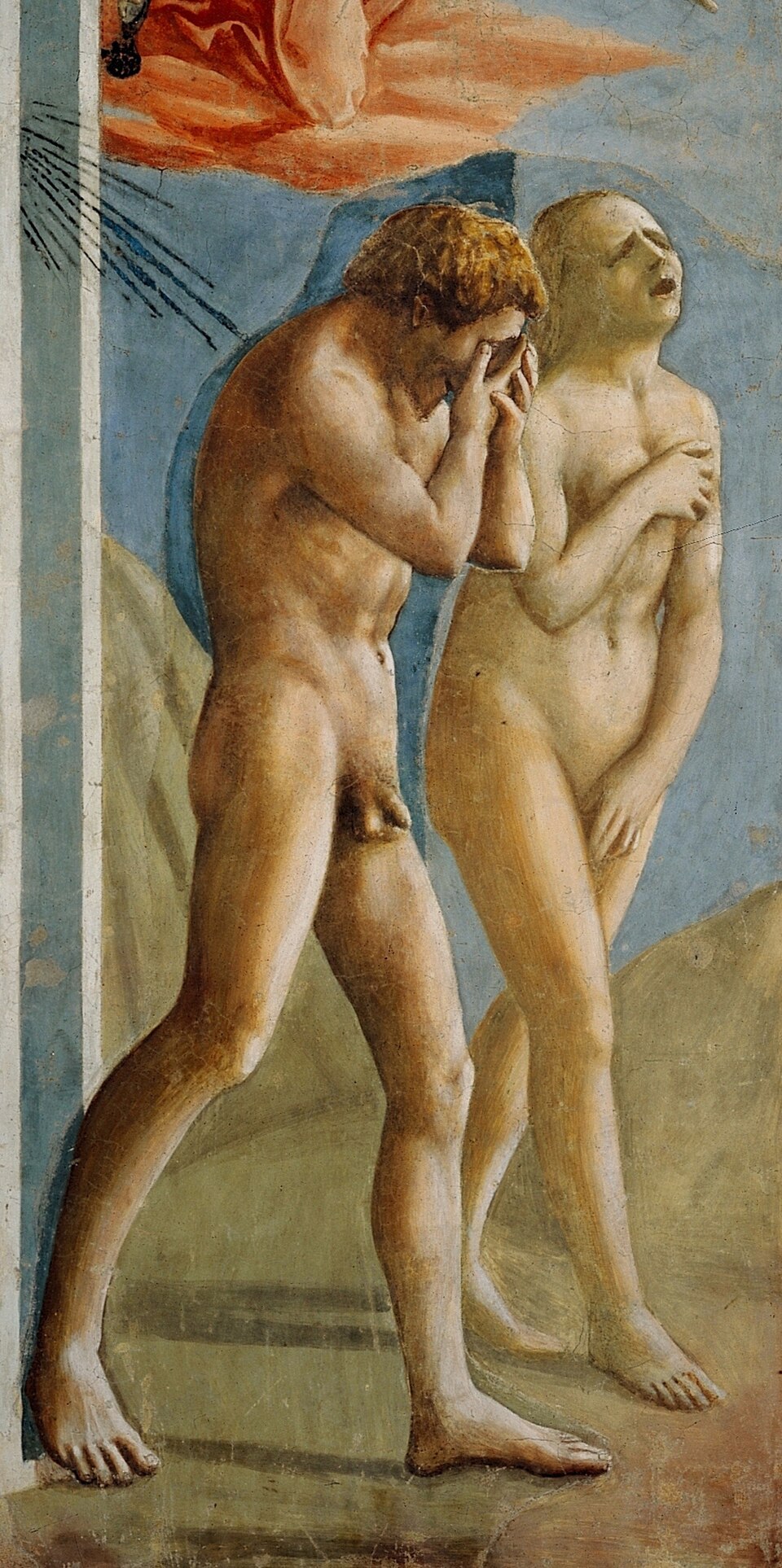
Masaccio
The Expulsion of Adam and Eve from Paradise
Shame and grief are visible in faces and gestures. The body conveys emotion rather than merely illustrating a sacred story.
Public domain · fresco reproduction
Thematic journey · 03
Learn to see, dare to look.
From the anguish of Adam and Eve to the sensuality of Venus, Renaissance artists discovered countless ways of depicting the body. Six chapters invite you to examine gestures, muscles, beauty and desire — always returning to the artworks themselves.
← Back to journeys01 · Explore
From anguished faces to physical presence, the body now reveals what a human being feels.
Shame and grief are visible in faces and gestures. The body conveys emotion rather than merely illustrating a sacred story.
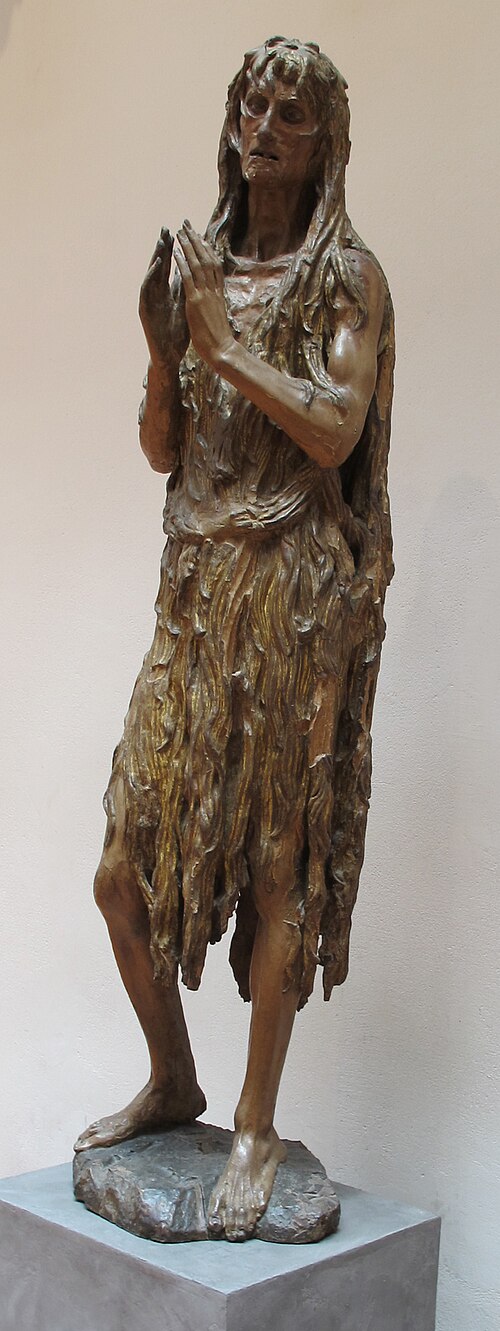
Carved wood, an emaciated body and loose hair reveal a moving kind of beauty, far removed from the classical ideal.
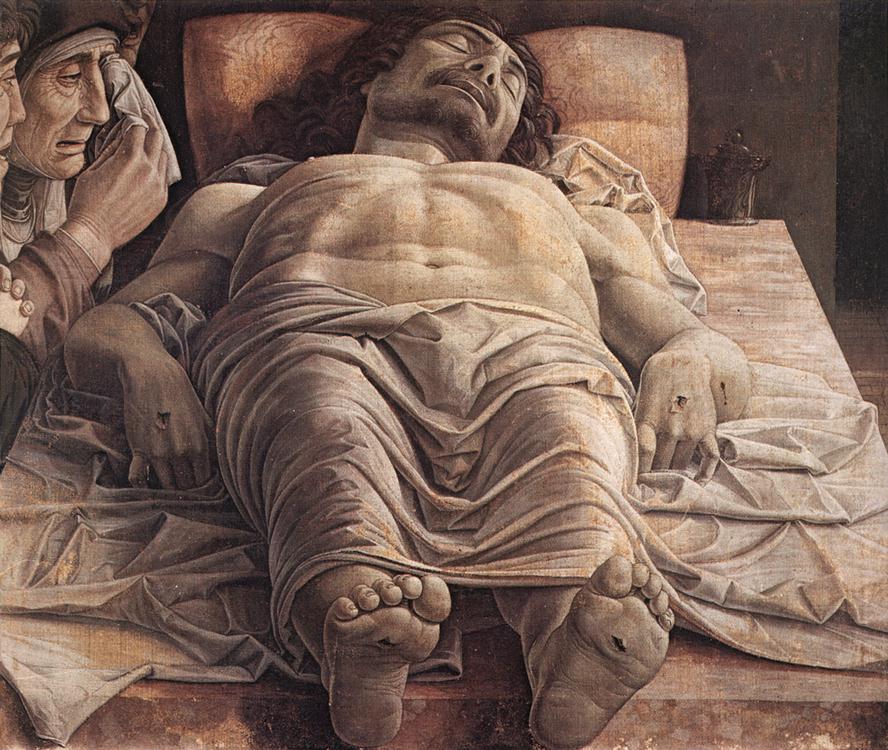
The striking foreshortening brings the body close to the viewer. Look at the feet, hands and face.
Look closer: Which gesture or expression makes this body feel human?
02 · Explore
The nude is no longer simply an echo of Antiquity: it becomes vulnerable, alive and sometimes unsettling.
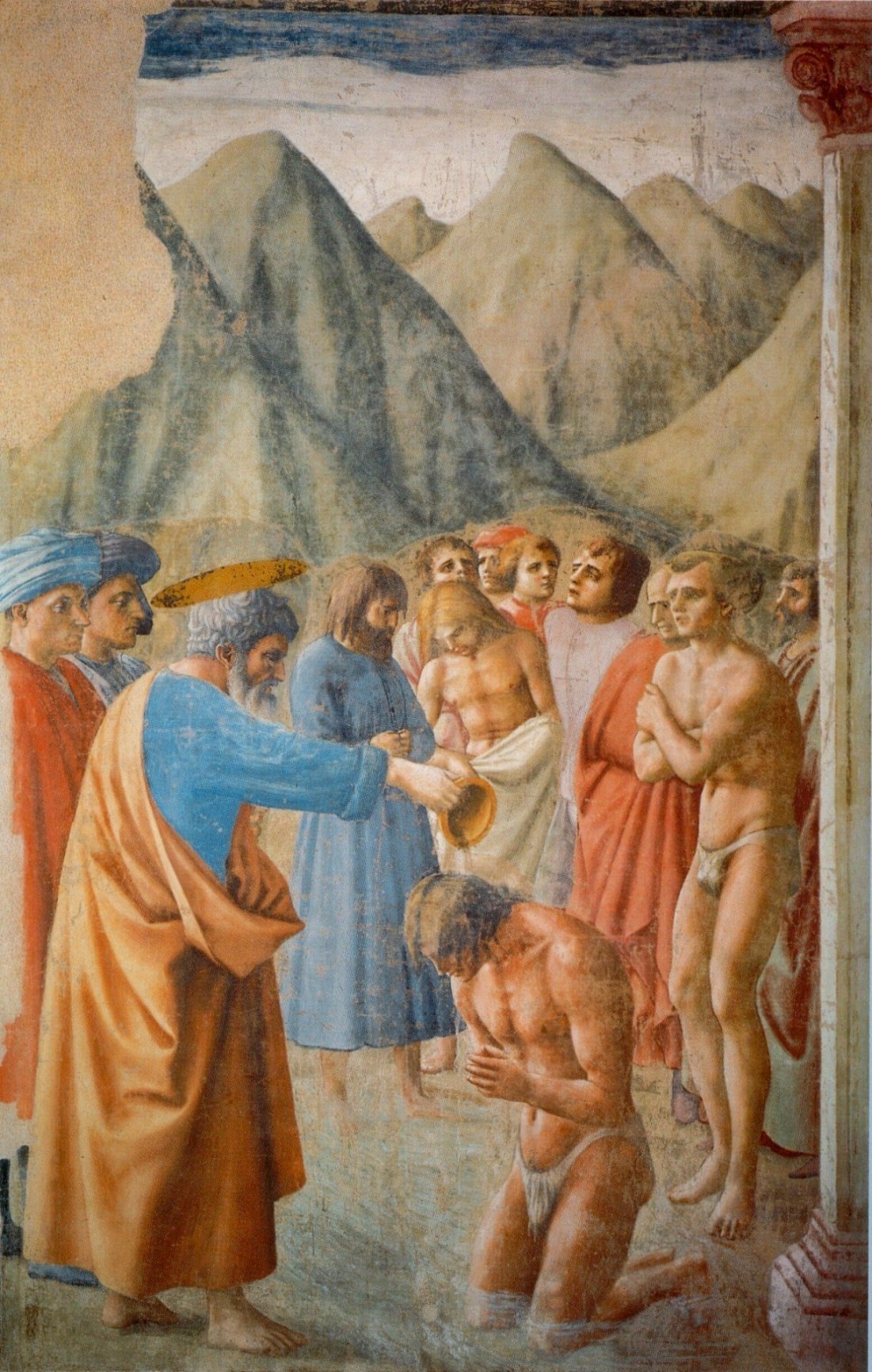
The shivering young man makes the nude deeply human. Notice his hunched shoulders and tightly held arms.
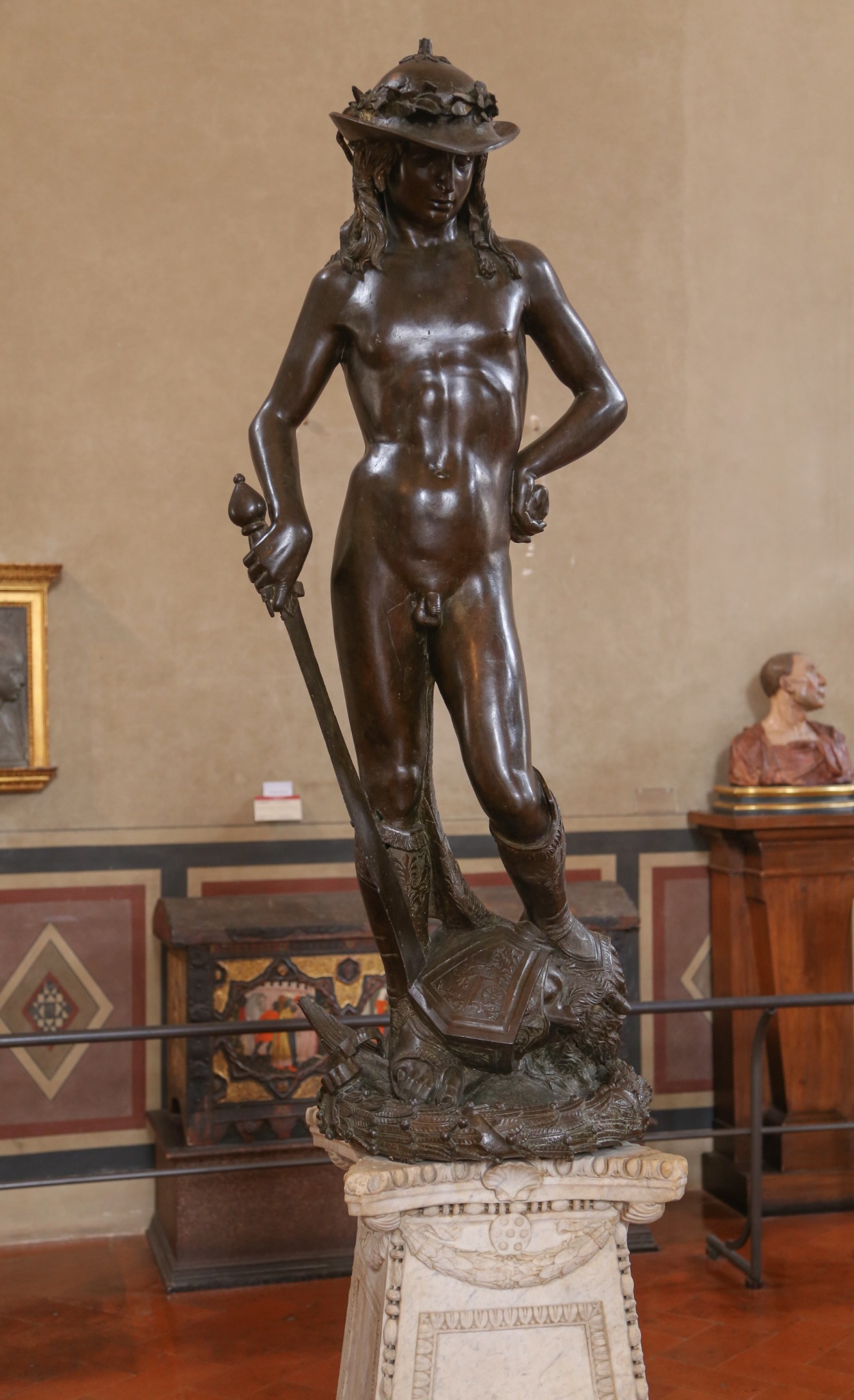
A victorious yet vulnerable adolescent: his relaxed pose, smile and accessories challenge the conventional image of a hero.
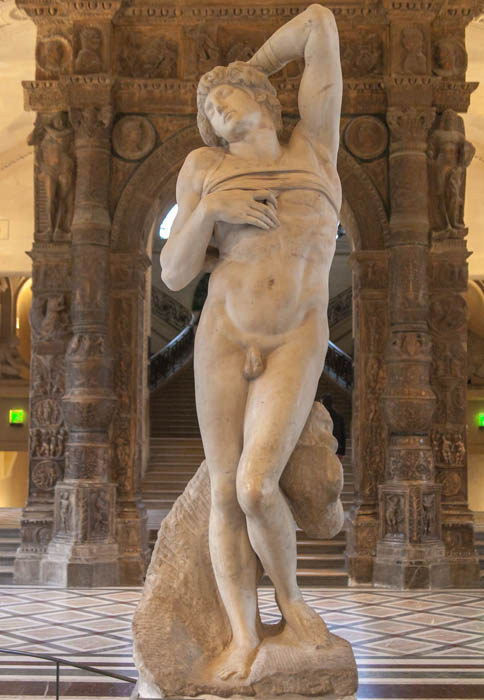
The body seems to surrender even as it twists. Marble conveys both muscular strength and release.
Look closer: How does the pose change our understanding of the nude?
03 · Explore
Bodies twist, struggle, run and rise. Artists explore the full range of their movement.
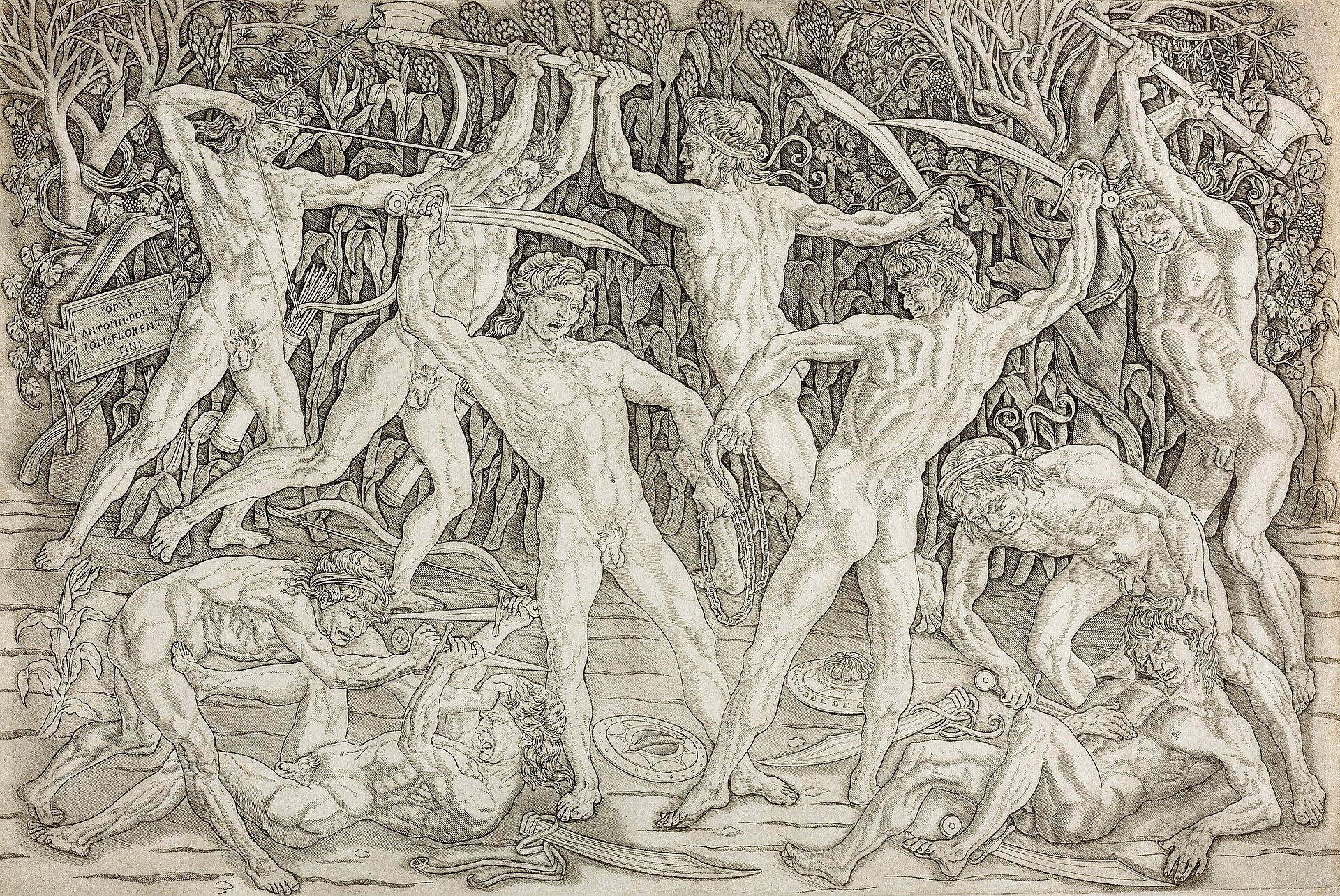
Muscles become a language of movement. Compare bodies seen from the front, side and back.
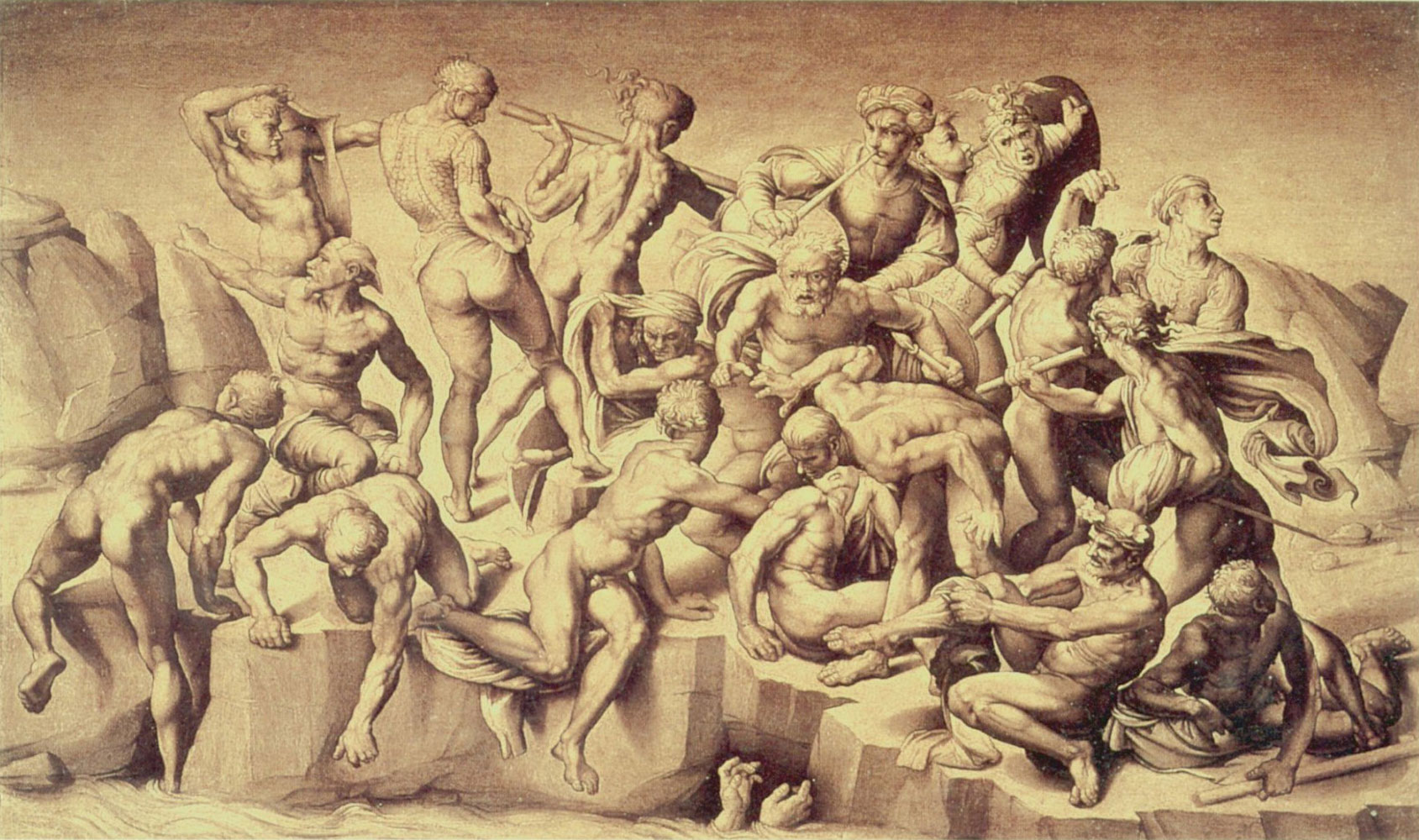
In this early copy of a lost composition, bodies turn, rise and intersect in a scene of collective commotion.
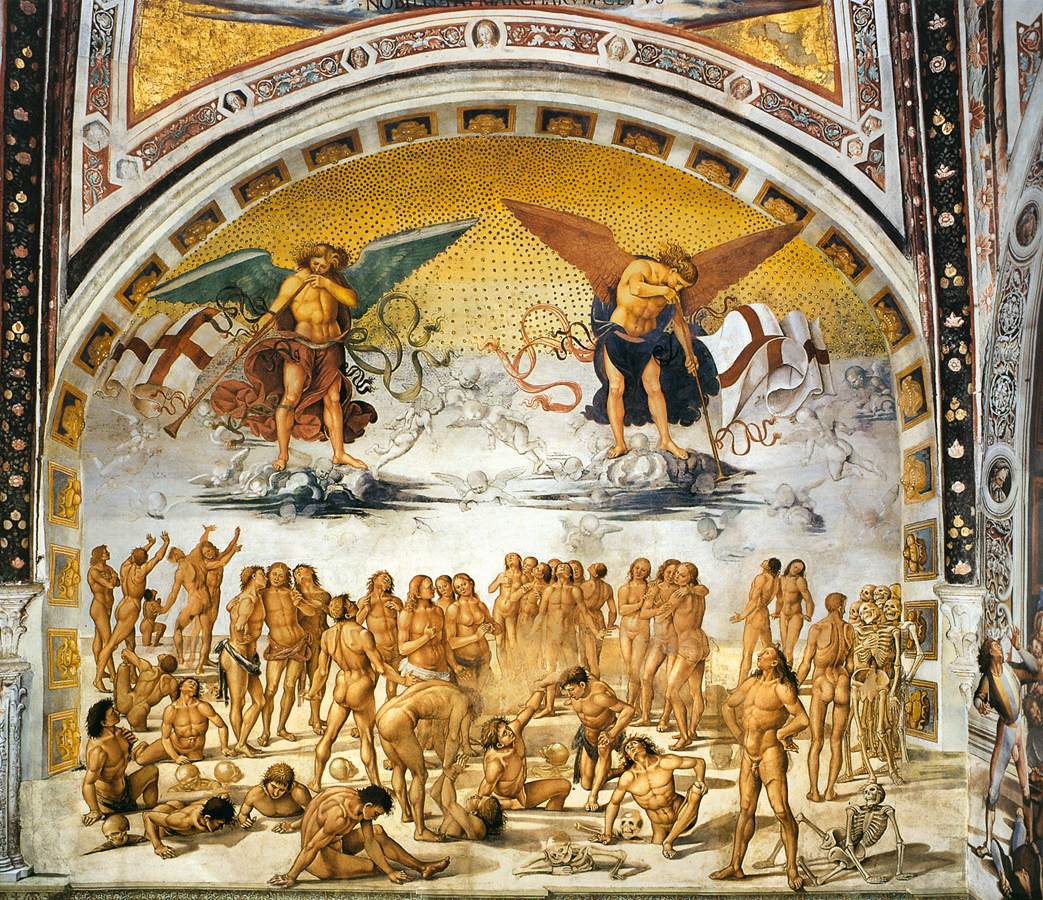
Bodies emerge from the ground, stretch and stand: a remarkable exploration of the possibilities of the nude.
Look closer: Where does each body lead your eye?
04 · Explore
Proportion, harmony and mythology: how can ideal beauty be represented?
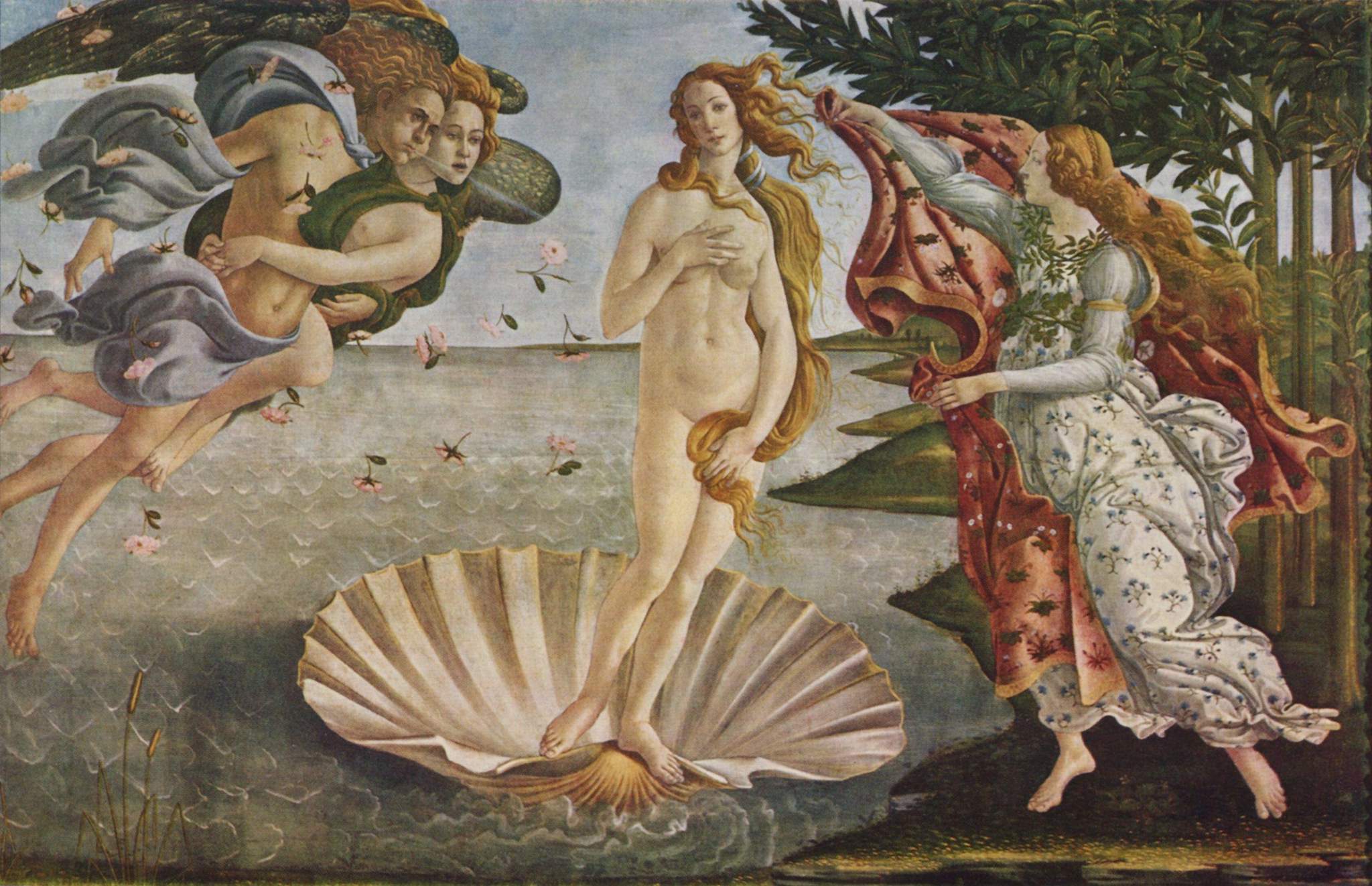
The elongated body and flowing contours create a poetic ideal shaped more by line than by anatomical accuracy.
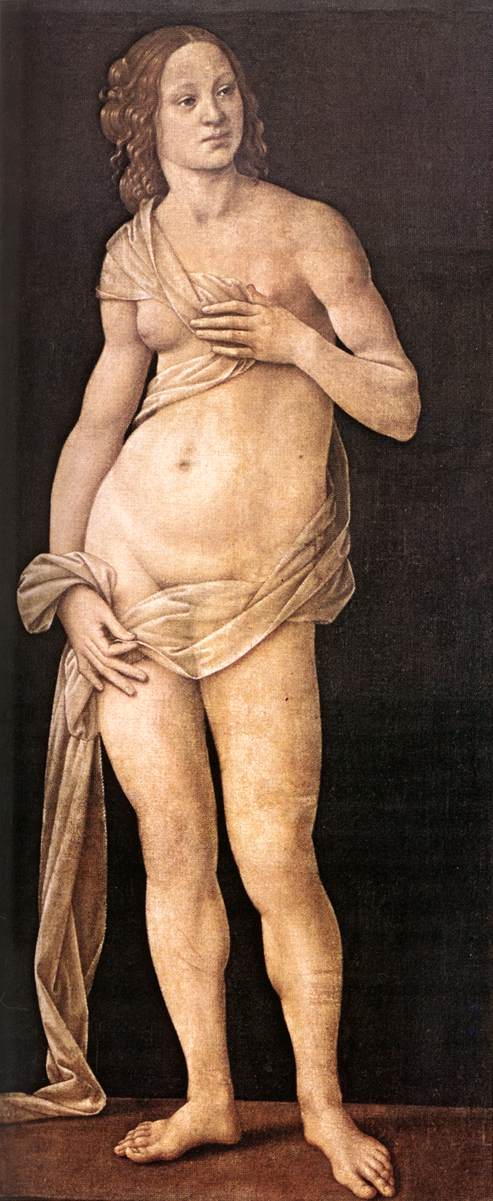
A standing Venus, almost motionless: her body is softly modelled in a restrained pose.
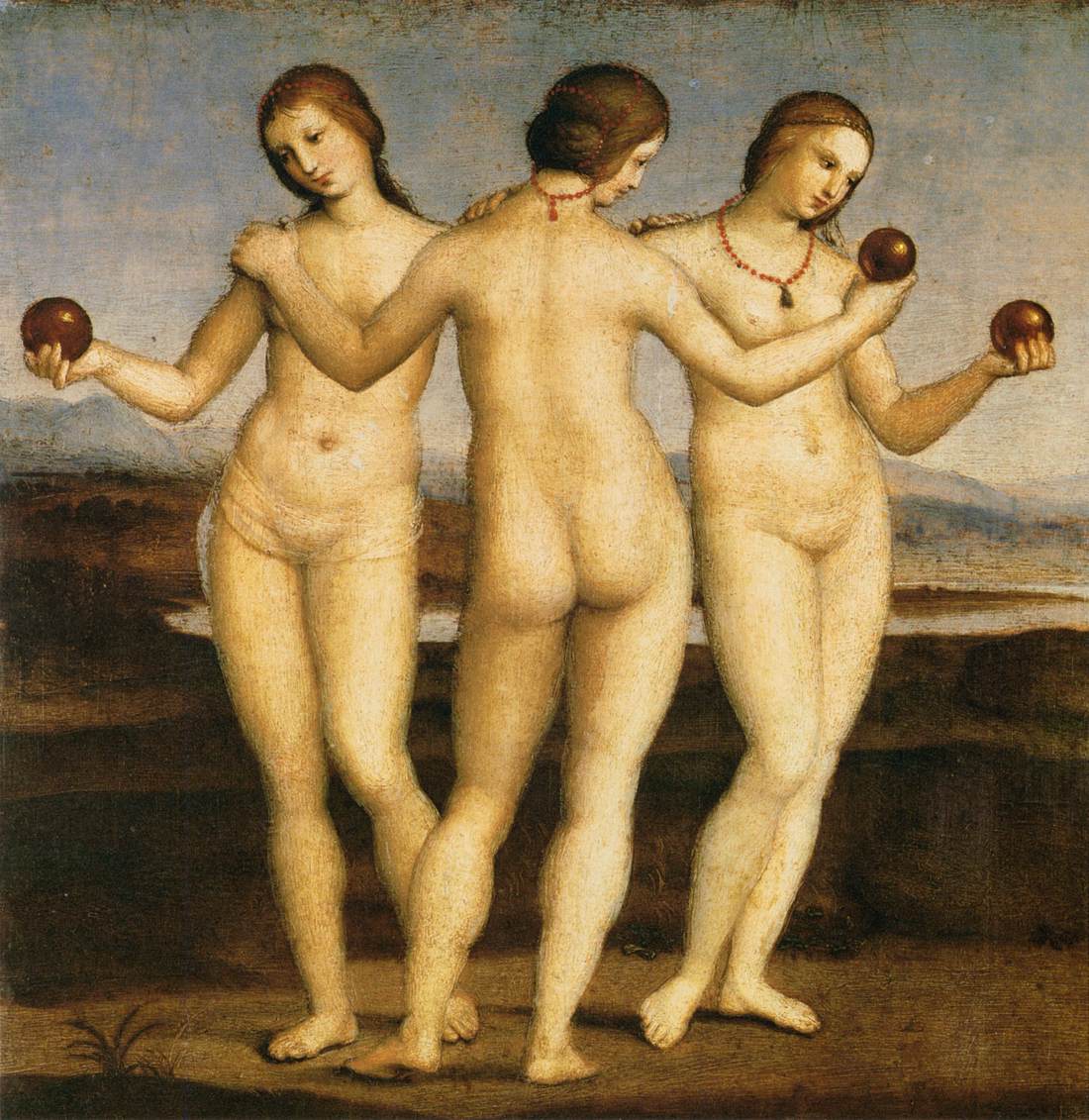
Three figures, three viewpoints: the same ideal of beauty is revealed from the front, back and three-quarter view.
Look closer: What distinguishes idealised beauty from a real body?
05 · Explore
Nudity takes on different meanings through gazes, settings and gestures: from a dreamed-of goddess to a woman who looks directly at us.
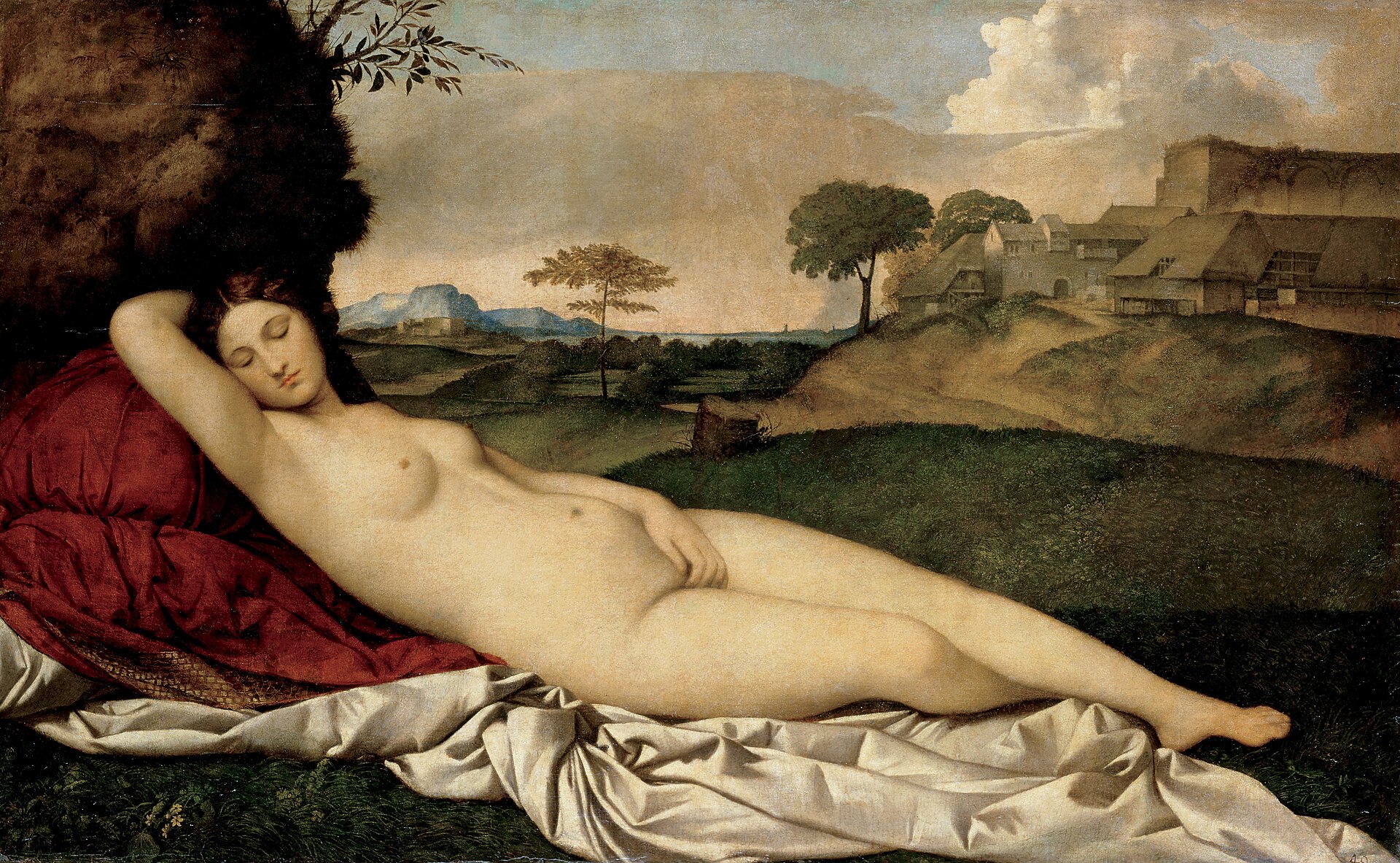
Her body echoes the curves of the landscape. Nudity becomes serene, visible to us yet never meeting our gaze.
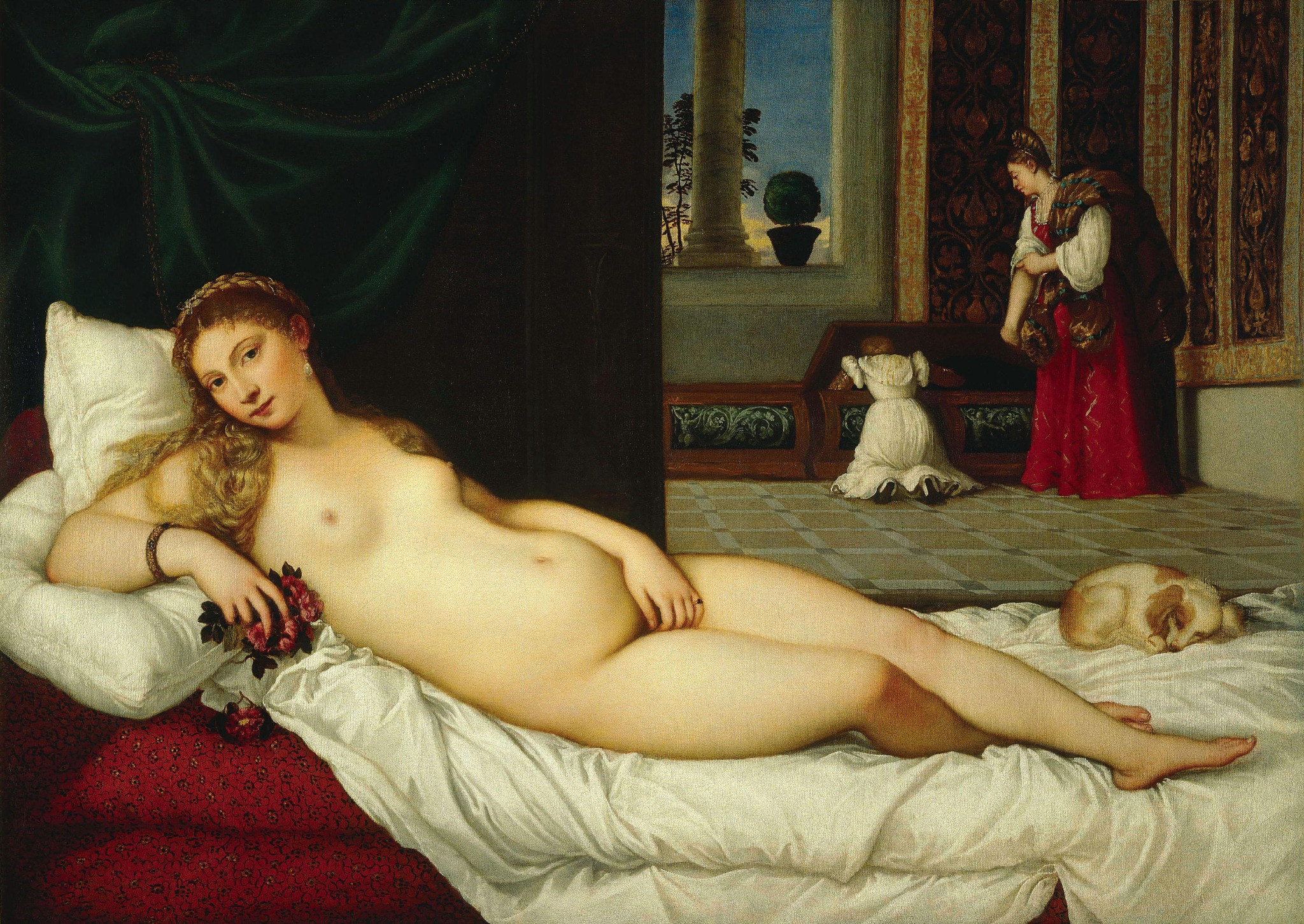
This time Venus looks directly at us. The domestic setting, her hand and the fabrics make the scene more intimate.
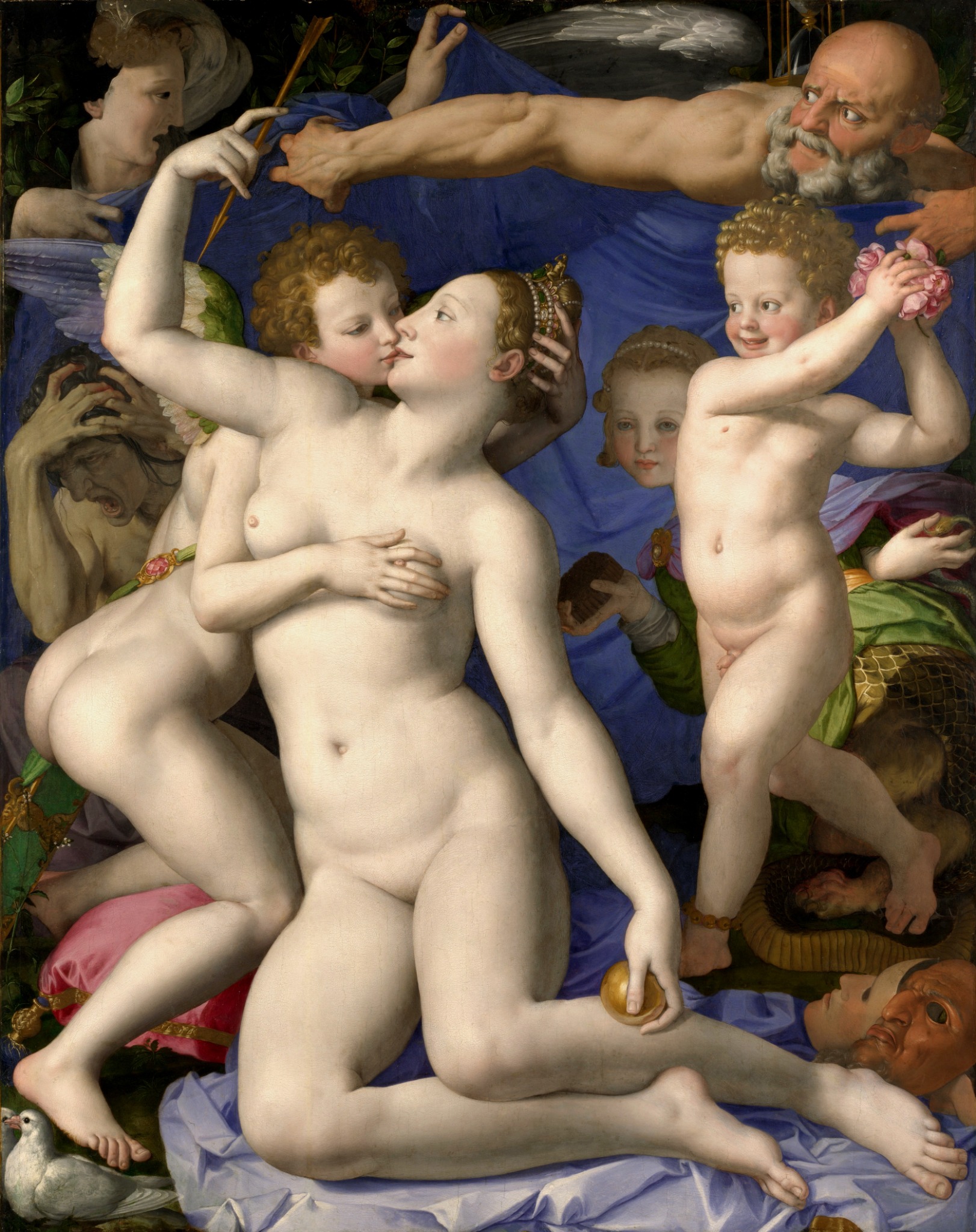
Smooth skin, ambiguous gestures and intersecting gazes turn beauty into a sensual and moral enigma.
Look closer: Who is looking at whom, and how does that change the scene?
06 · Explore
Anatomy becomes monumental, expressive, almost impossible: the body transcends human scale.
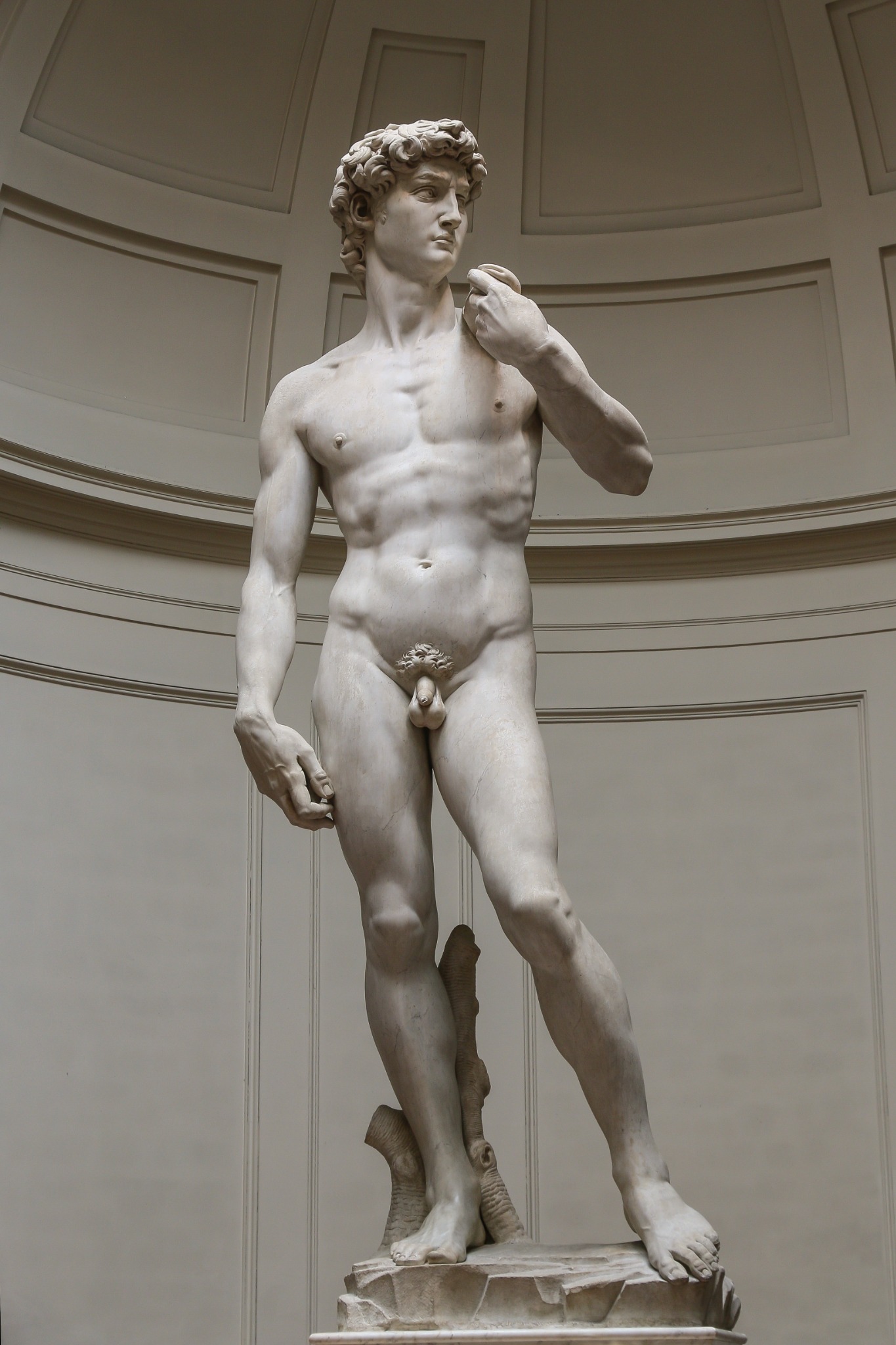
The monumental body stands still, yet remains alert. Look at the hands, gaze and weight-bearing leg.
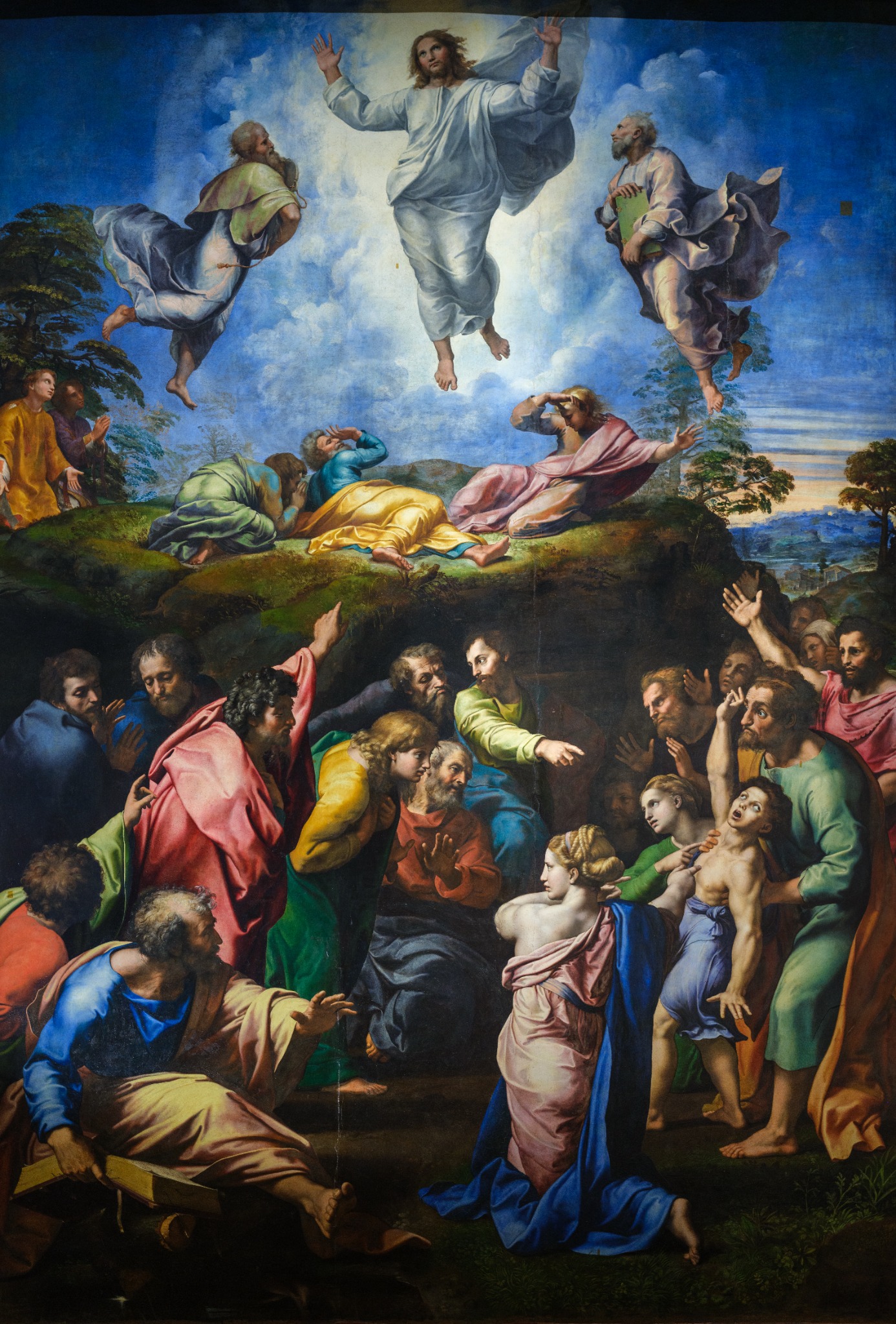
The composition contrasts Christ’s luminous, suspended body with the restless, expressive figures below.
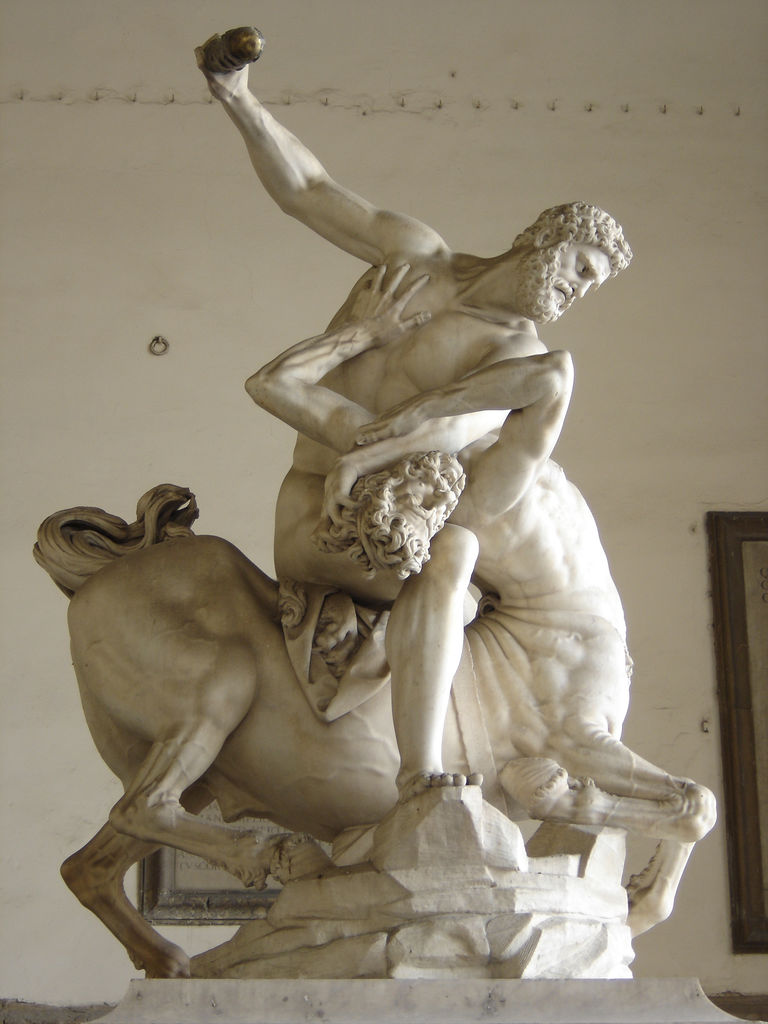
The sculpture spirals through space: to grasp the struggle, imagine walking around the figures.
Look closer: How does the artist give the body extraordinary power?